How a planet becomes a wanderer
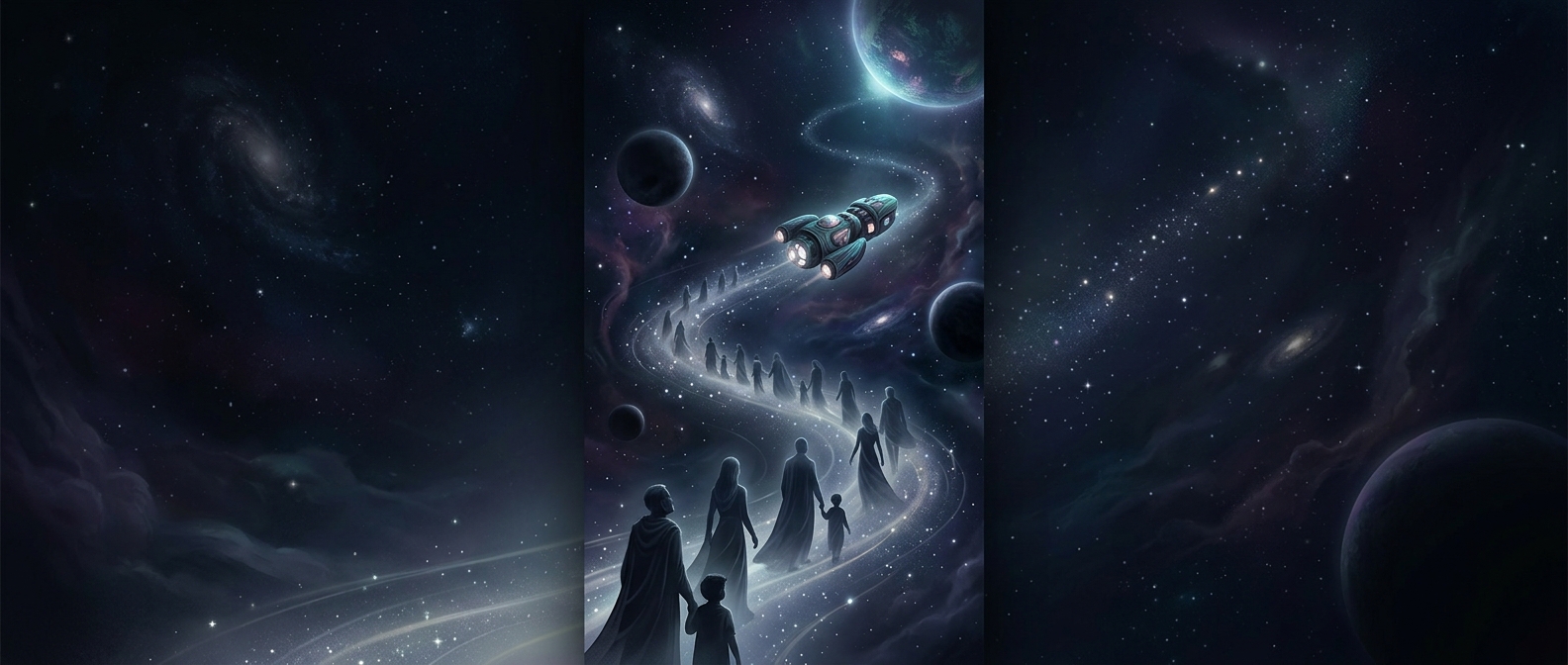
A planet normally travels around a star because the star’s gravity holds it in orbit. A rogue planet has no such companion. Some may begin in ordinary planetary systems and get flung out when close encounters with other planets—or the pull of a passing star—give them enough speed to escape. Others may form on their own from collapsing clouds of gas and dust, more like very small stars.
Ejection is a gravitational handoff: one planet loses energy and falls inward, while another gains energy and is kicked outward. If the escape is strong enough, the expelled world keeps moving through the galaxy rather than returning to its original system. The process can leave the remaining planets in altered, less orderly orbits.
Finding a world that gives off little light
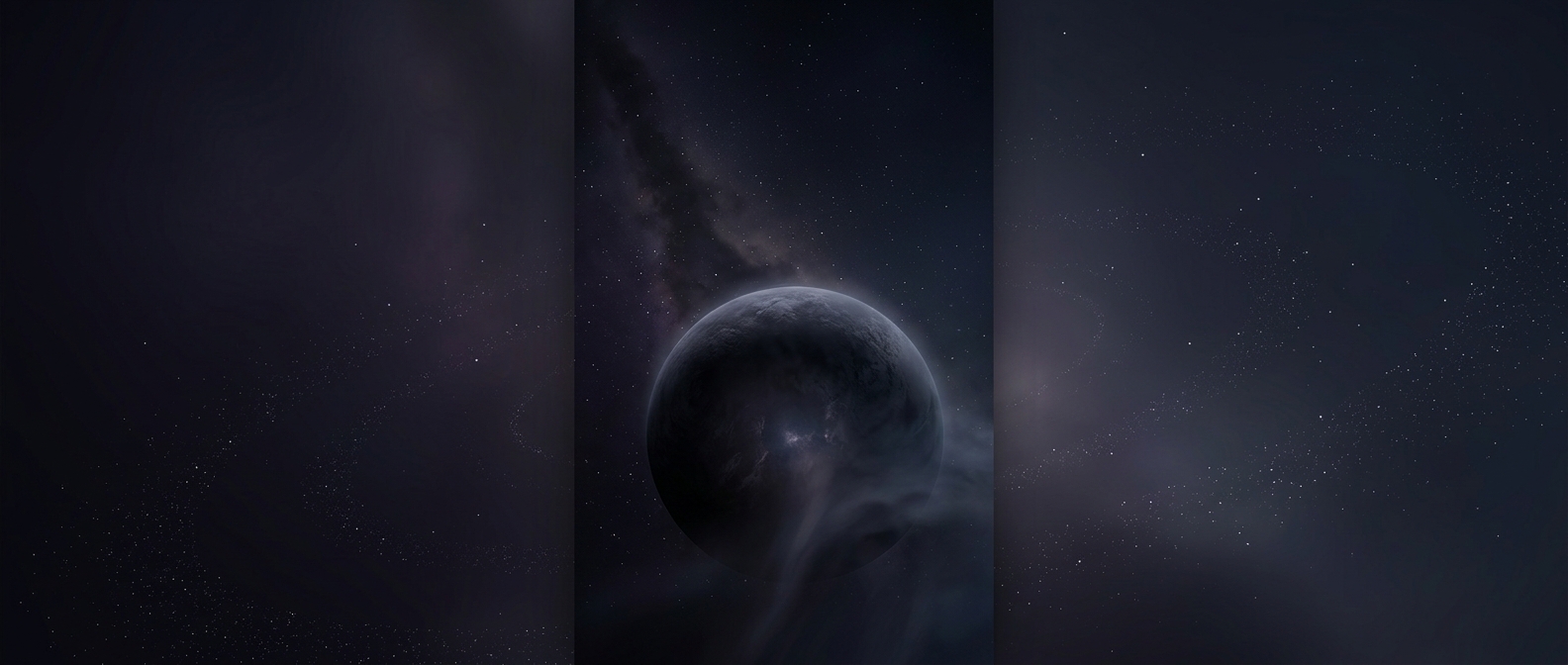
A planet far from a star receives no steady starlight to reflect, so it can be extremely difficult to see. Astronomers can instead look for gravitational microlensing: when a planet passes in front of a distant star from our viewpoint, its gravity briefly bends and magnifies that star’s light. The brightening can reveal the planet even when the planet itself is invisible.
That signal is brief, and it may not show whether the planet has a faint, distant star nearby. So identifying a truly isolated world can be challenging; researchers infer these objects from how their gravity affects light, rather than by watching them glow.
A planetary system with its ties cut
A rogue planet still has a landscape, atmosphere, and internal heat, but without a nearby sun it receives little warmth from outside. Its conditions depend heavily on its size and how much heat it retains from formation. The striking consequence is that planetary systems are not necessarily permanent families: gravitational encounters can send one of their worlds into the open galaxy, where it may travel for ages without a sunrise from its former star.