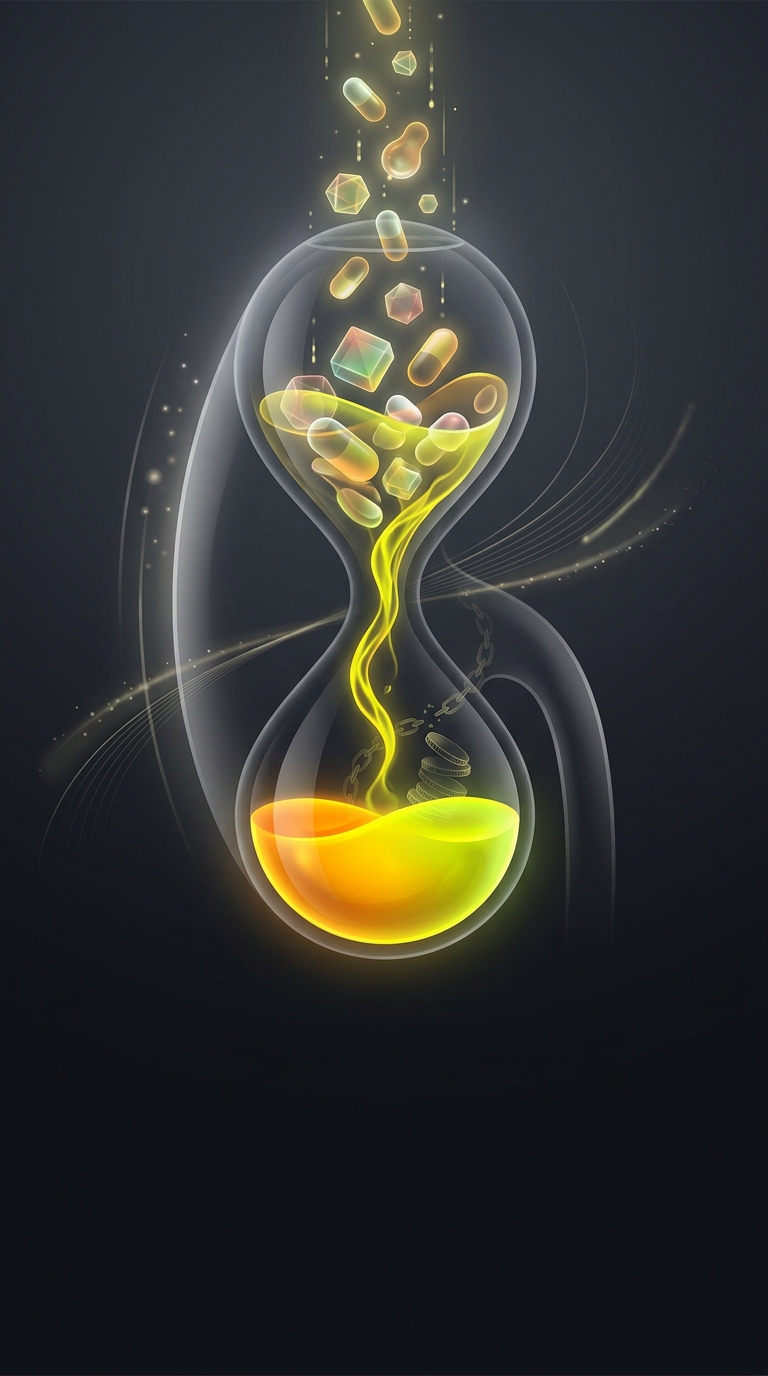
Why Riboflavin Turns Urine Bright Yellow
Riboflavin, also called vitamin B2, helps cells use energy. It also naturally fluoresces: under ultraviolet light, it gives off a yellow-green glow. After a large dose, the body may absorb more riboflavin than it can use at once. The kidneys remove some of that surplus from the blood and send it into urine, where its color can be striking.
That color is not a precise measure of how much vitamin the body absorbed or put to work. Some may have been used, while the rest is leaving through the kidneys. And the vivid shade is mainly a clue about riboflavin; it does not mean every water-soluble vitamin behaves the same way.
“Water-Soluble” Does Not Mean “Risk-Free”
Water-soluble vitamins dissolve in water, and many are less readily stored in the body than fat-soluble vitamins. But the body still regulates how much it absorbs and uses, and it does not necessarily flush every excess dose out immediately. High doses can cause problems before they are excreted, and some can build up with repeated use.
For example, too much vitamin B6 over time can damage nerves, while high-dose niacin can harm the liver. The risks depend on the vitamin, the amount, how long it is taken, and a person’s health and medications. A supplement can be useful when someone has a deficiency or another specific need; a larger dose is not automatically more beneficial.
What the Color Can—and Can’t—Tell You
Fluorescent-looking urine after a supplement is usually the riboflavin making its way out, not evidence that the dose improved health. It also does not establish that the supplement was harmless: color shows a visible pigment, not the effects of other ingredients or doses.
The practical takeaway is to treat the label’s dose—not the urine’s brightness—as the meaningful information. A glowing bathroom visit may be memorable, but it is a poor test of whether a megadose was useful.