When a Championship Belt Becomes a Load to Carry
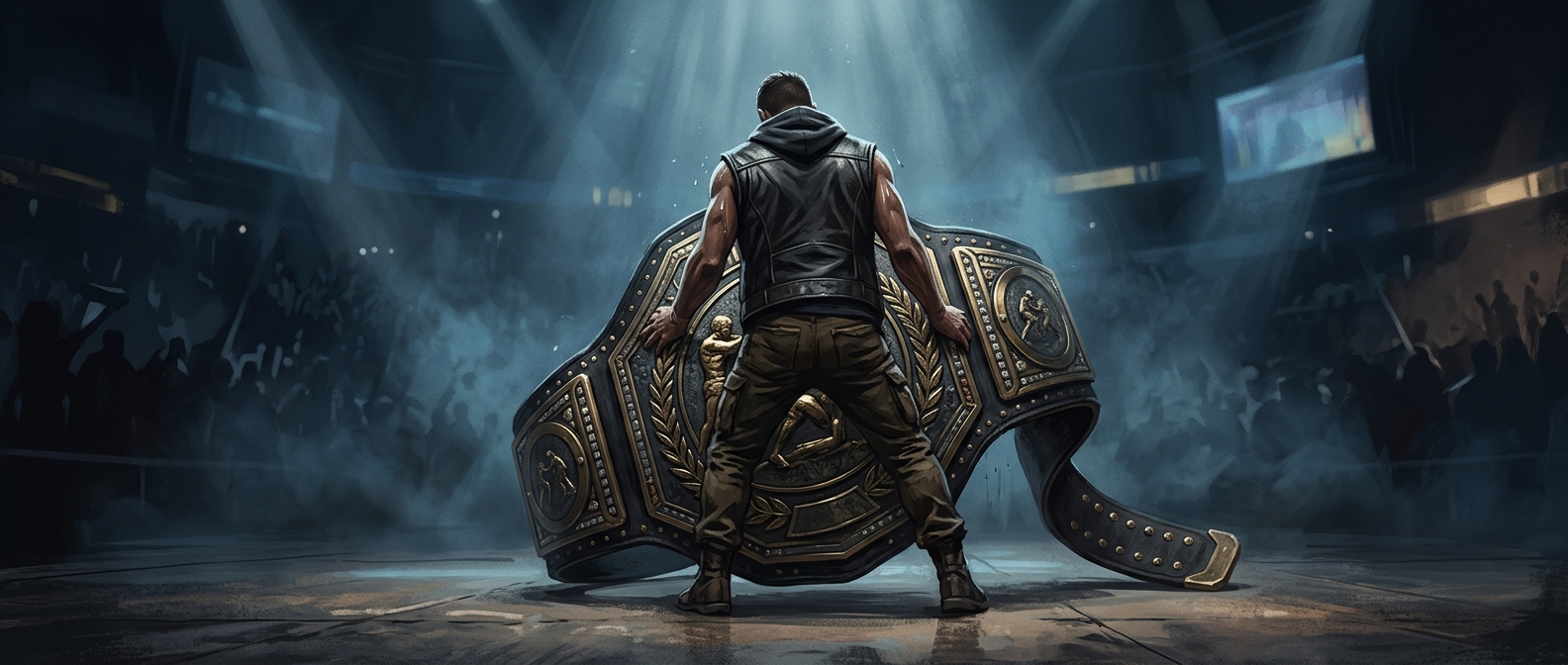
A belt weighing more than 50 pounds is less like everyday clothing and more like a trophy that happens to be wearable. Its broad shape may spread some of the load across the body, but the wearer still has to support that weight while walking, turning, and climbing into the ring. If the belt shifts or bounces, muscles must work to steady it as well as carry it.
That makes the entrance part of the challenge. A wrestler cannot simply lift the belt once and forget about it: carrying it through an arena takes sustained effort, especially when combined with the movement and performance expected on the way to the ring. Holding it close and keeping it from swinging can make the load easier to control, but does not make it light.
Ornament Has a Physical Cost
The visual purpose of a championship belt is to look imposing and distinctive. Large, elaborate designs can also add substantial material, turning decoration into extra weight. The result is a striking tradeoff: the belt signals prestige to an audience, while its size and mass can make it awkward to handle.
At these weights, the belt is not merely a symbol someone wears for a photograph. Getting it to the ring is part of the spectacle—and a feat of carrying in its own right.