What “void of course” means in astrology
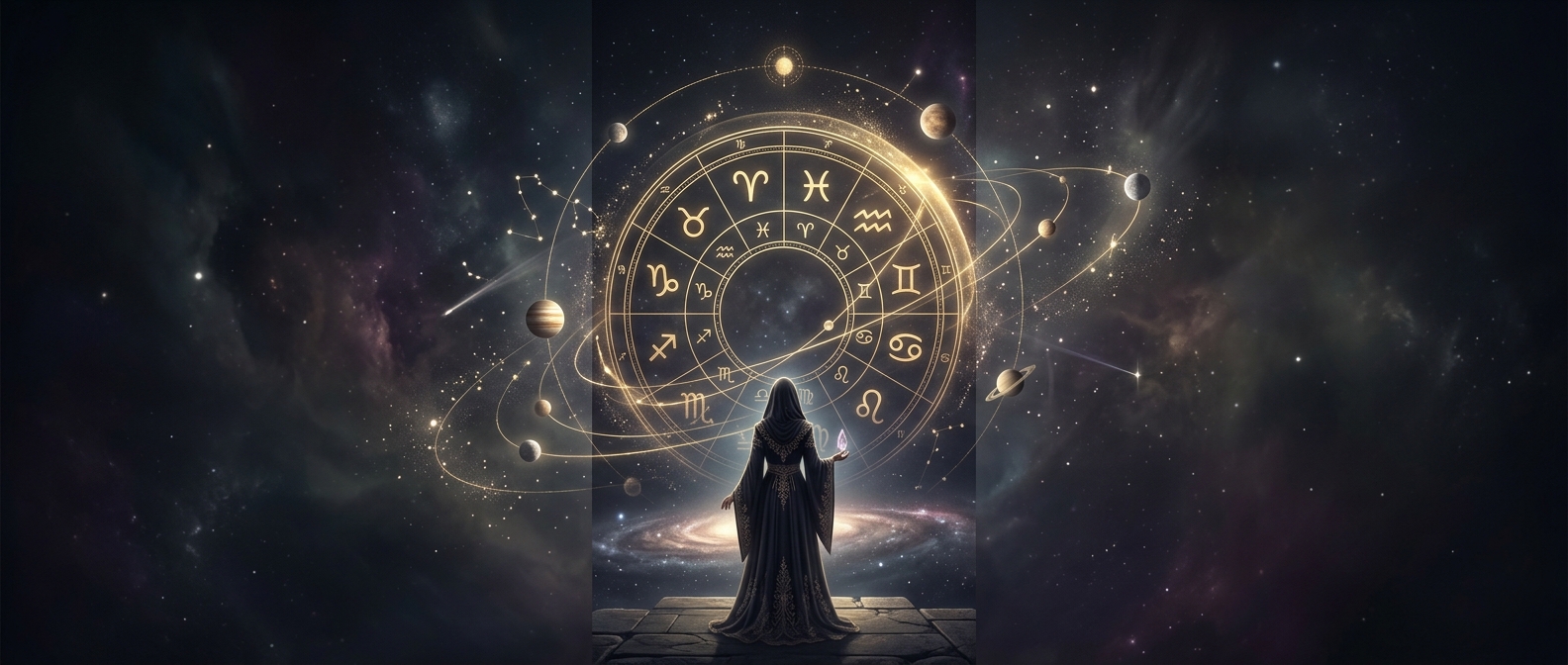
The phrase usually refers to the Moon moving through the final stretch of a zodiac sign. Astrologers track the Moon’s apparent motion across the sky and compare it with the positions of other planets. When the Moon has made its last exact major angle—called an aspect—to another planet in that sign, it is considered void of course until it enters the next sign.
An exact aspect is a precise angular relationship, such as a conjunction or square. The Moon does not stop moving during this interval; “void” describes its status in the astrological chart, not a pause in the sky.
Why astrologers treat the interval cautiously
In traditional astrological interpretation, the Moon is associated with everyday events and how situations unfold. Its last aspect before changing signs is therefore treated as a kind of closing signal: there may be little further astrological contact to carry a matter forward. On that basis, some astrologers advise against beginning consequential projects, making major commitments, or signing contracts during the interval.
The practical idea is not necessarily that an attempt must fail. Rather, a new undertaking may not develop as expected, may lose momentum, or may produce a result different from the one intended. Some astrologers use the time for routine tasks or for finishing what is already underway instead of launching something new.
The timing depends on the charting rules
The interval begins at the Moon’s final qualifying aspect in a sign and ends when the Moon crosses into the next one. Its length varies, and astrologers may differ over which aspects count, so their calendars can give different start and end times. Within the practice, the recommendation is a timing caution: postpone a major start when convenient, rather than assuming that every action taken during the interval is destined to go nowhere.