Why the Switch Lite stays on its own screen
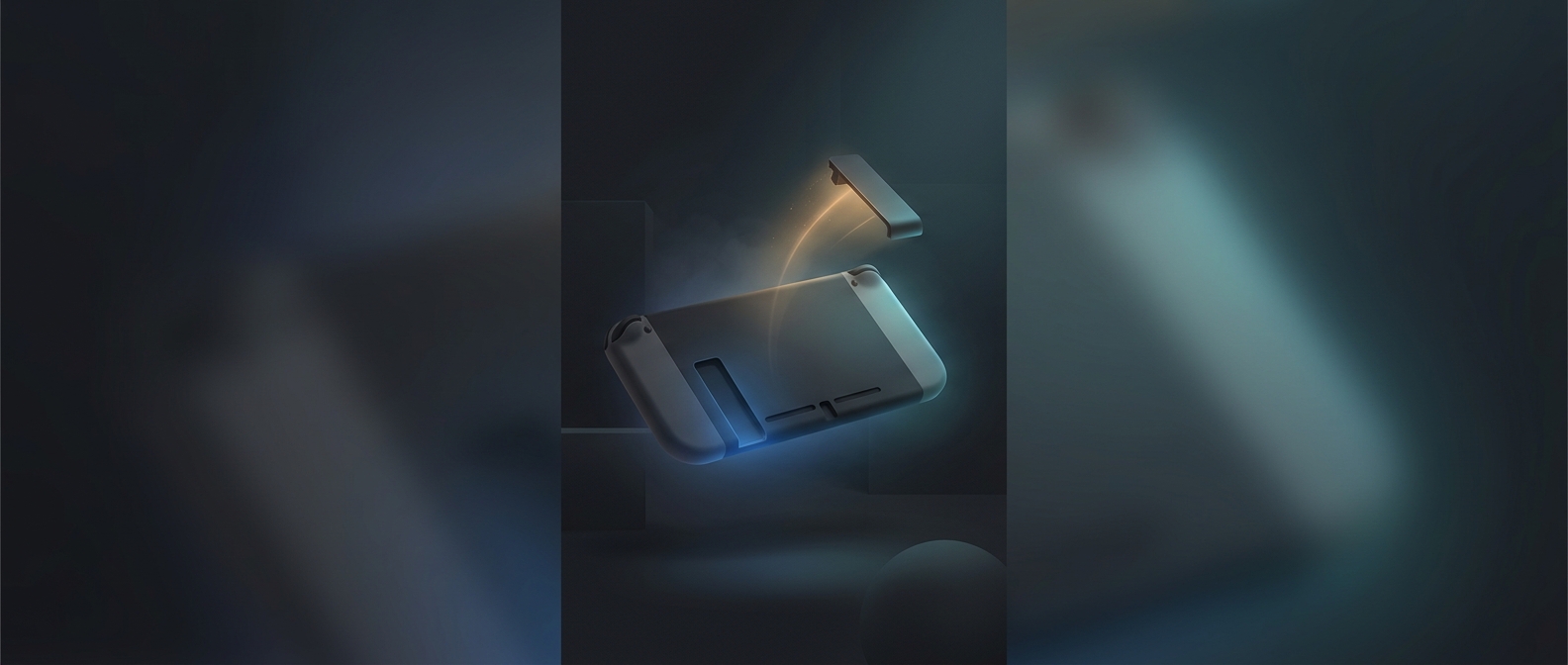
A television connection requires more than a USB-C port and a dock. The console must also contain hardware that can route its game image from the processor to an external display. The standard Nintendo Switch has that video-output capability; the Switch Lite does not. Its USB-C port can charge the system, but it cannot send a picture to a TV.
That makes the limitation a design choice built into the console, not a missing menu option or a problem a different cable can fix. A dock can pass along a video signal, but it cannot create one the console was not designed to produce.
The tradeoff behind a handheld-only design
Nintendo made the Lite as a more compact, integrated handheld. Its controls are attached to the body rather than detachable Joy-Con controllers, and the system is meant to be played in your hands. Leaving out TV-output hardware helps distinguish that simpler handheld design from the standard Switch—but it also removes the option to move a game from the console screen to a living-room television.
In practice, the choice is permanent: if a game session needs a bigger screen, the Lite cannot supply it, even when connected to a TV.