Why the smell waited for the cabin
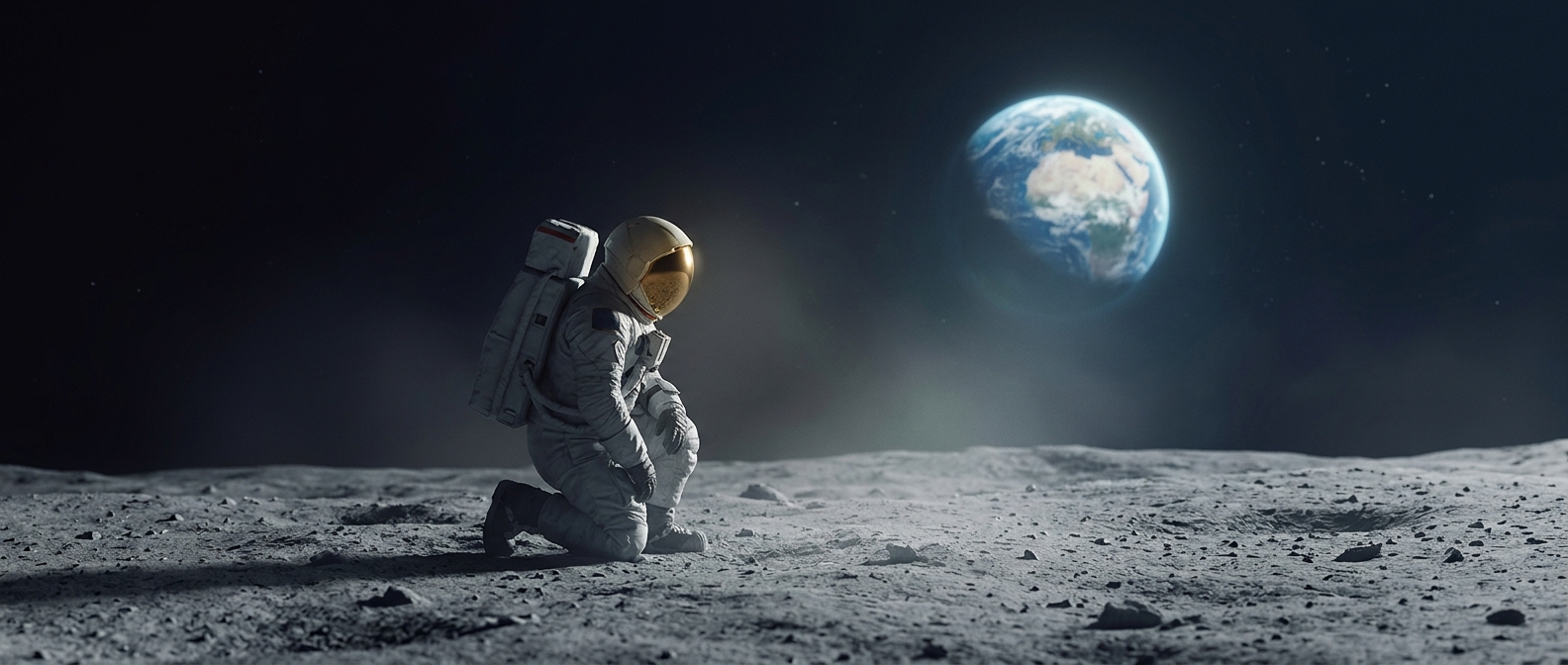
On the Moon, there was no air to carry an odor from dust to an astronaut’s nose. The lunar surface is exposed to vacuum, so a smell could become noticeable only after dust crossed into the pressurized spacecraft, where people could breathe and the particles could interact with cabin air.
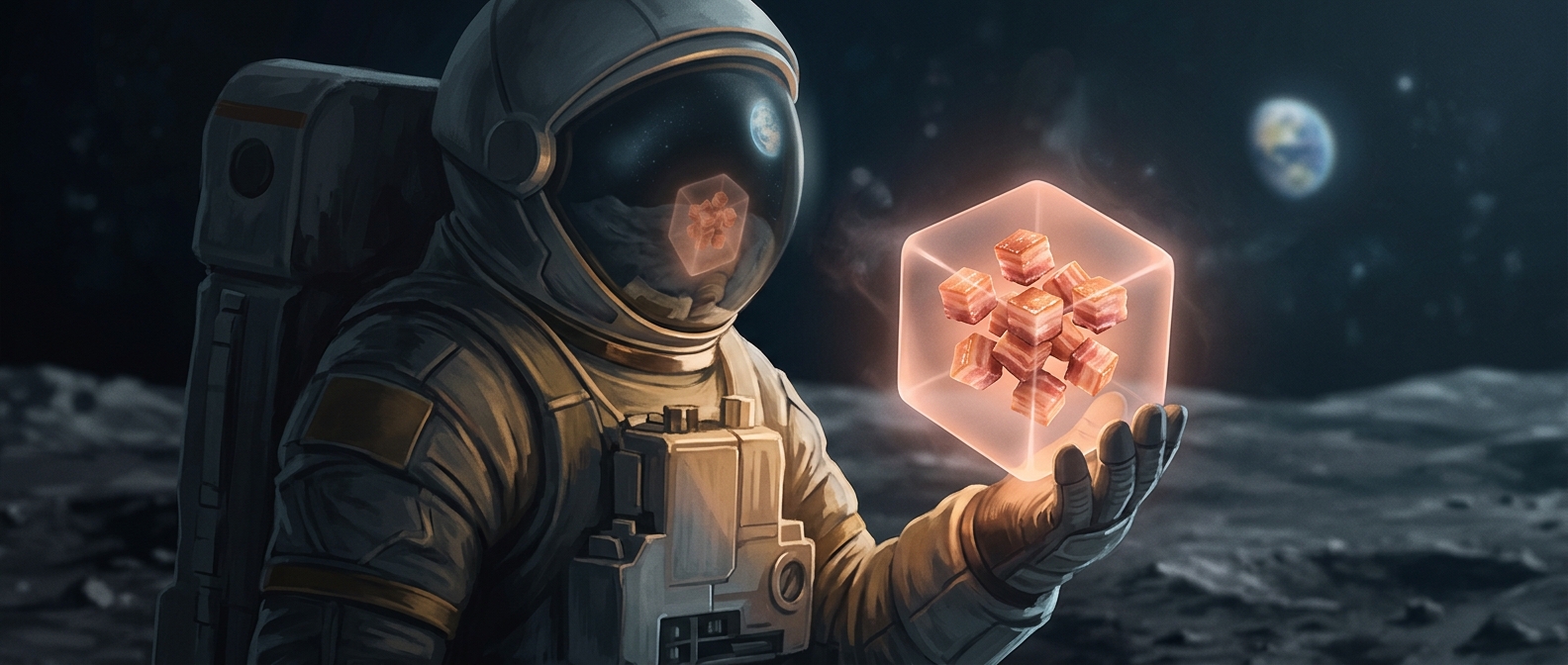
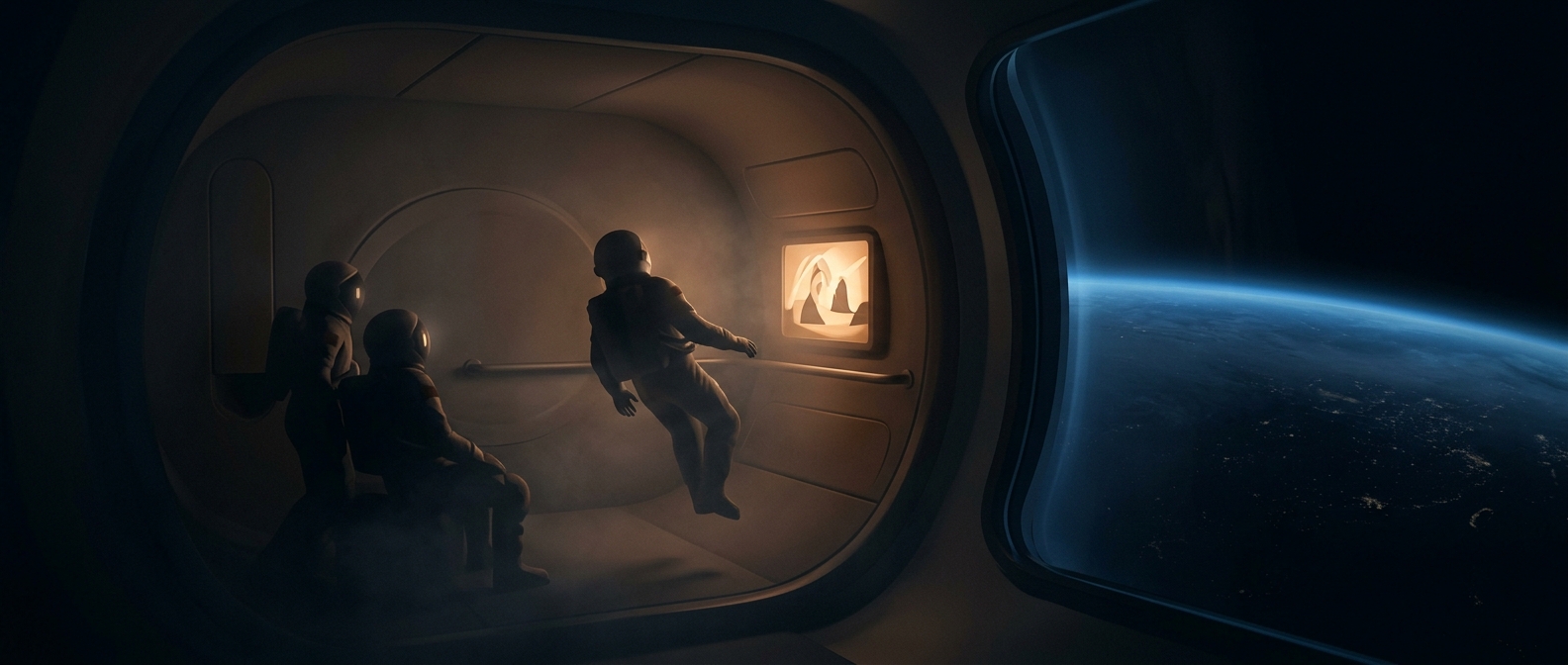
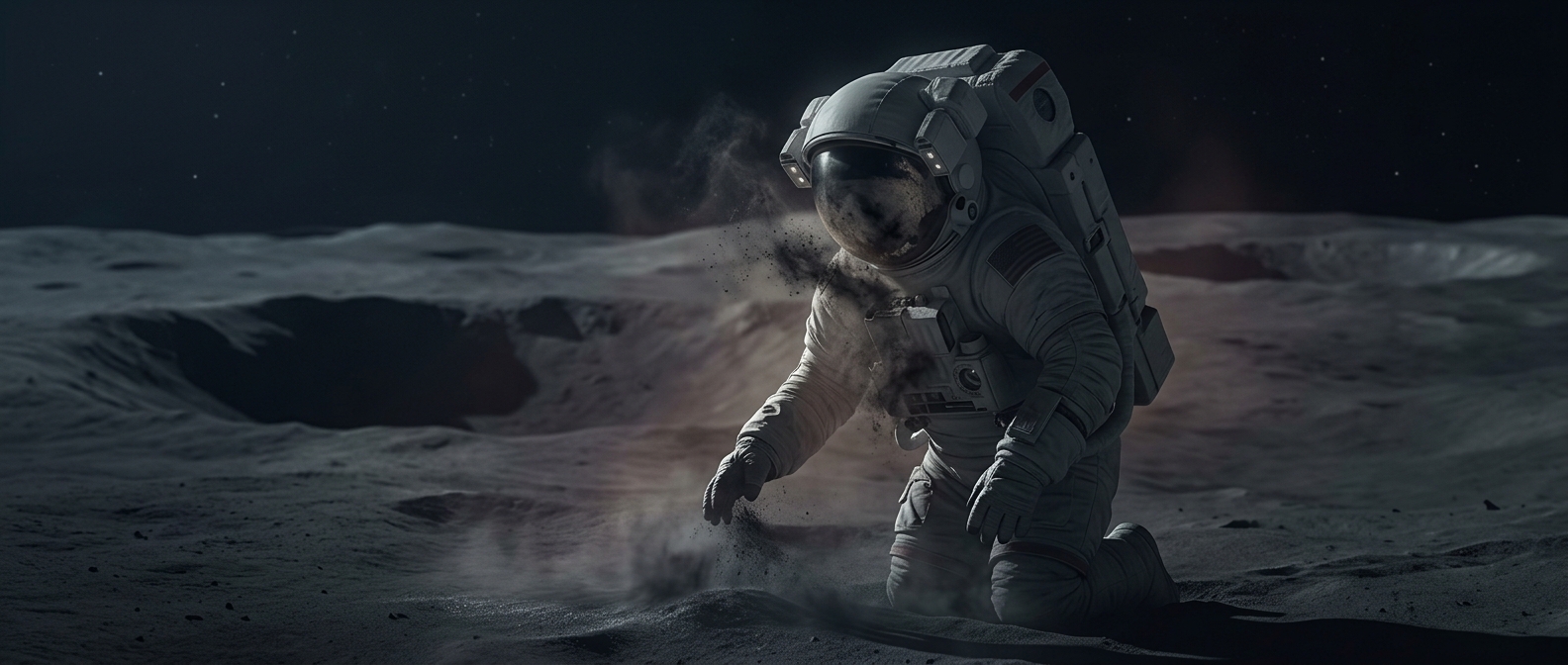
That made the spacesuit a surprising link between two environments. Dust clung to the suits during moonwalks; once astronauts returned inside, particles could come loose and spread through the cabin. The reported odor—often compared with gunpowder—was not evidence that the Moon contained gunpowder. It was a description of what the astronauts smelled after lunar material entered the air they breathed.
A fresh, rough material
Lunar soil, or regolith, is made largely by meteorite impacts that break rock into small fragments. Unlike soil on Earth, it has not been repeatedly altered by liquid water and a thick atmosphere. Its grains can be sharp and cling stubbornly to equipment, making dust transfer into a spacecraft a practical problem as well as a sensory curiosity.
The precise chemistry behind the odor has not been established. One possibility is that freshly exposed surfaces on the grains react with gases or moisture inside the cabin, producing odor-carrying compounds. But the smell itself does not reveal exactly which reaction occurred, and the astronauts’ comparison is not a chemical identification.
The cabin changed what could be noticed
The key change was not that lunar dust suddenly became scented in a simple, settled way. It moved from a vacuum into a place with air, humidity, and human noses. That transition may have allowed an odor to emerge—or made one detectable. In practical terms, the suits brought more than dust back from a moonwalk: they carried material from an airless landscape into the only environment where its smell could be noticed.