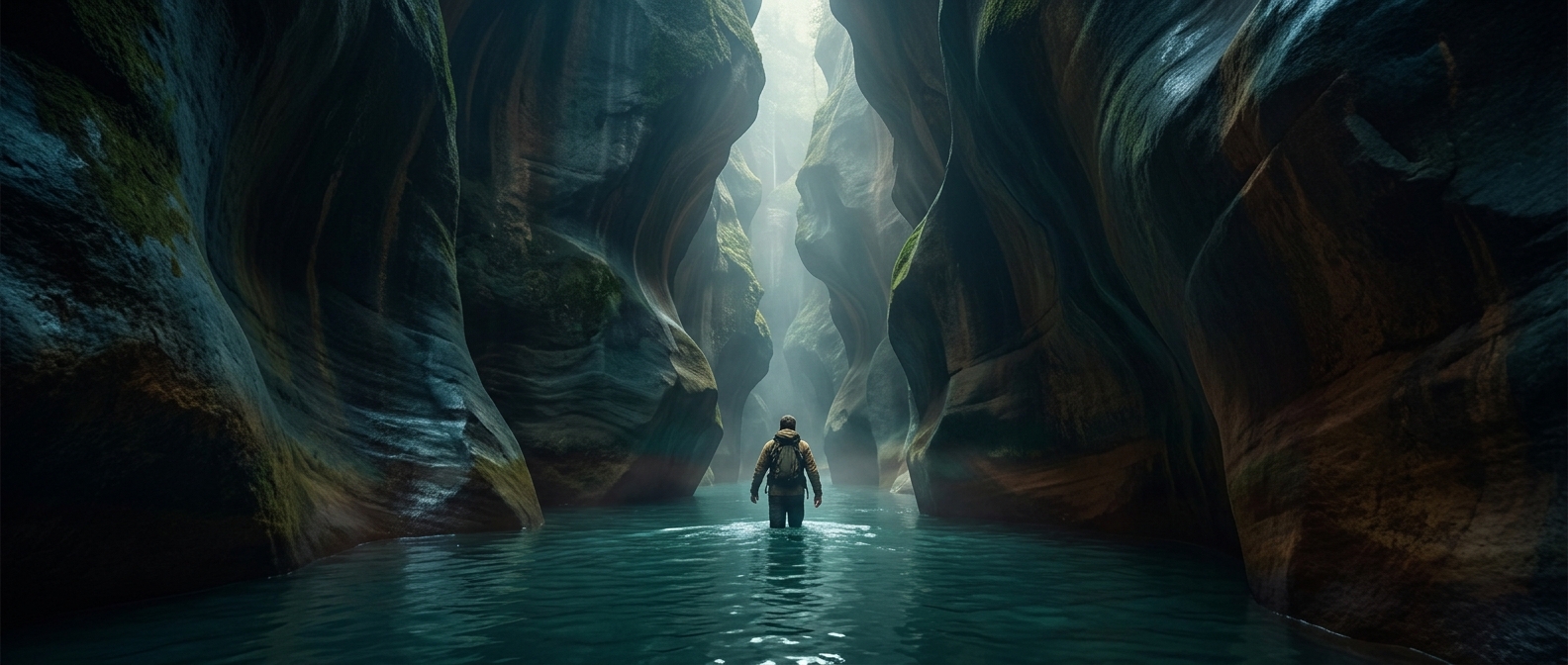
Why the trail runs through the river
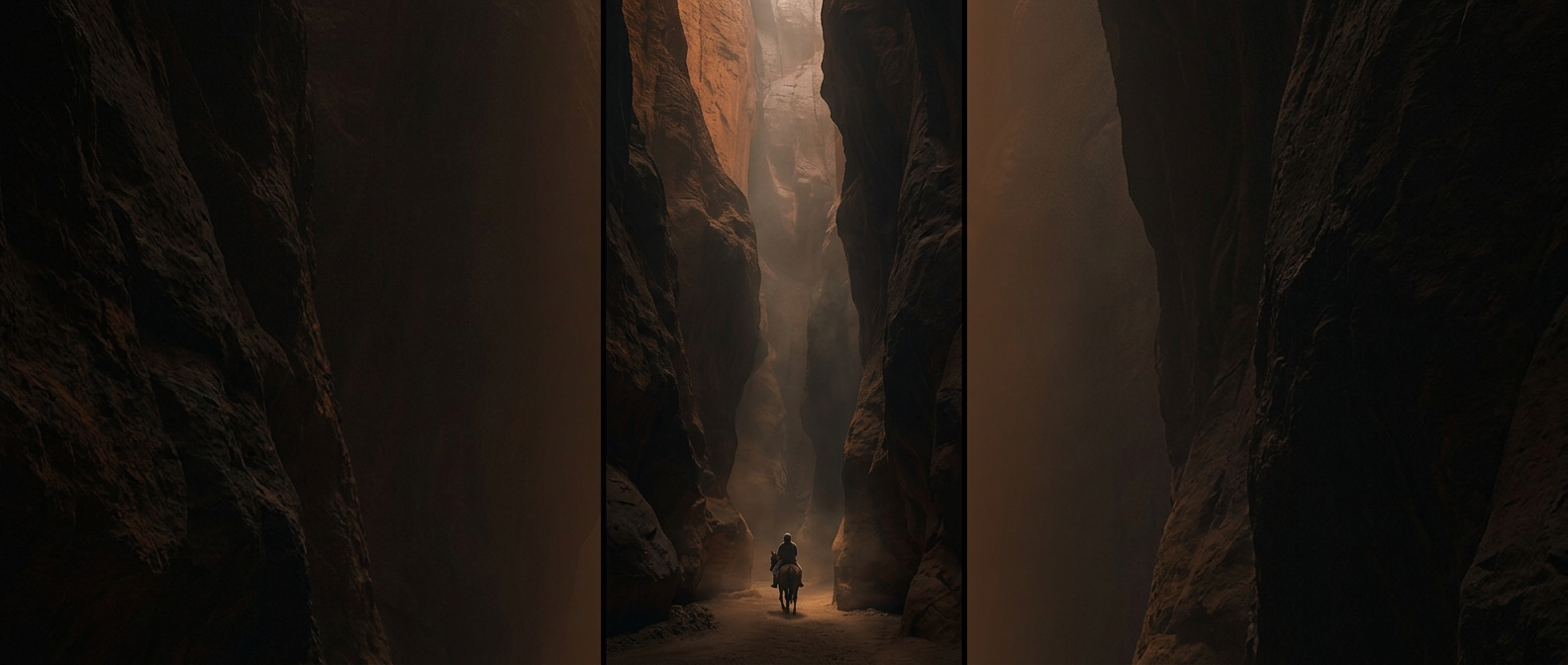
In a narrow gorge, the river is not just scenery beside the route: it occupies the floor between the rock walls. Where the passage pinches down, there may be no dry ledge wide enough for a continuous trail, so hikers follow the water itself. The route can shift between shallow stretches and deeper pools, with tight gaps forcing people to move slowly and carefully.
A landscape still being shaped
The gorge began as water wore away at rock over time, cutting a passage that is much narrower than the valley around it. The same channel that made the route also carries cold water through it. That chill can persist even when the air outside feels warm, making a waist-deep crossing feel like a sharper challenge than its distance suggests.
Depth and footing matter as much as endurance. A submerged riverbed hides loose stones and uneven surfaces, while the confined walls leave little room to step aside. Here, the river is both the reason the gorge exists and the obstacle hikers must negotiate to see it from within.