A stage cue, not a spotlight
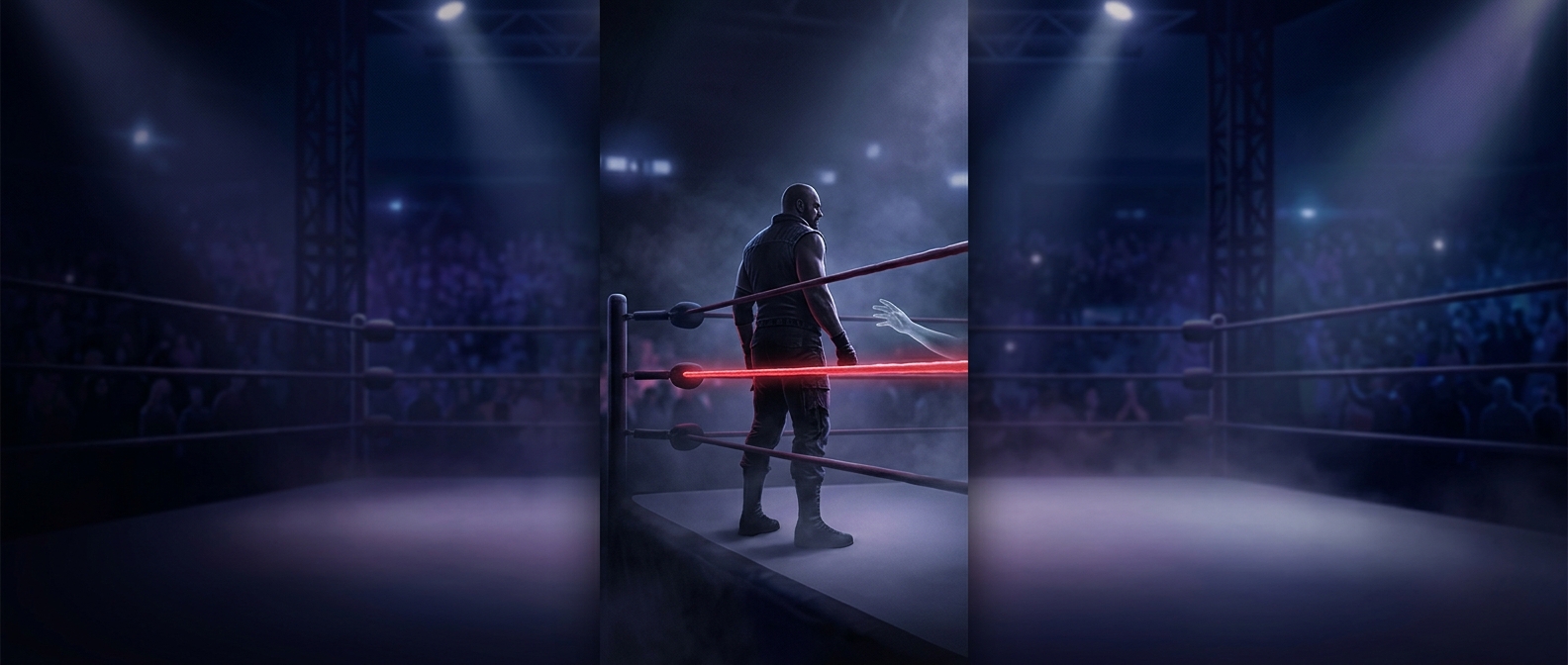
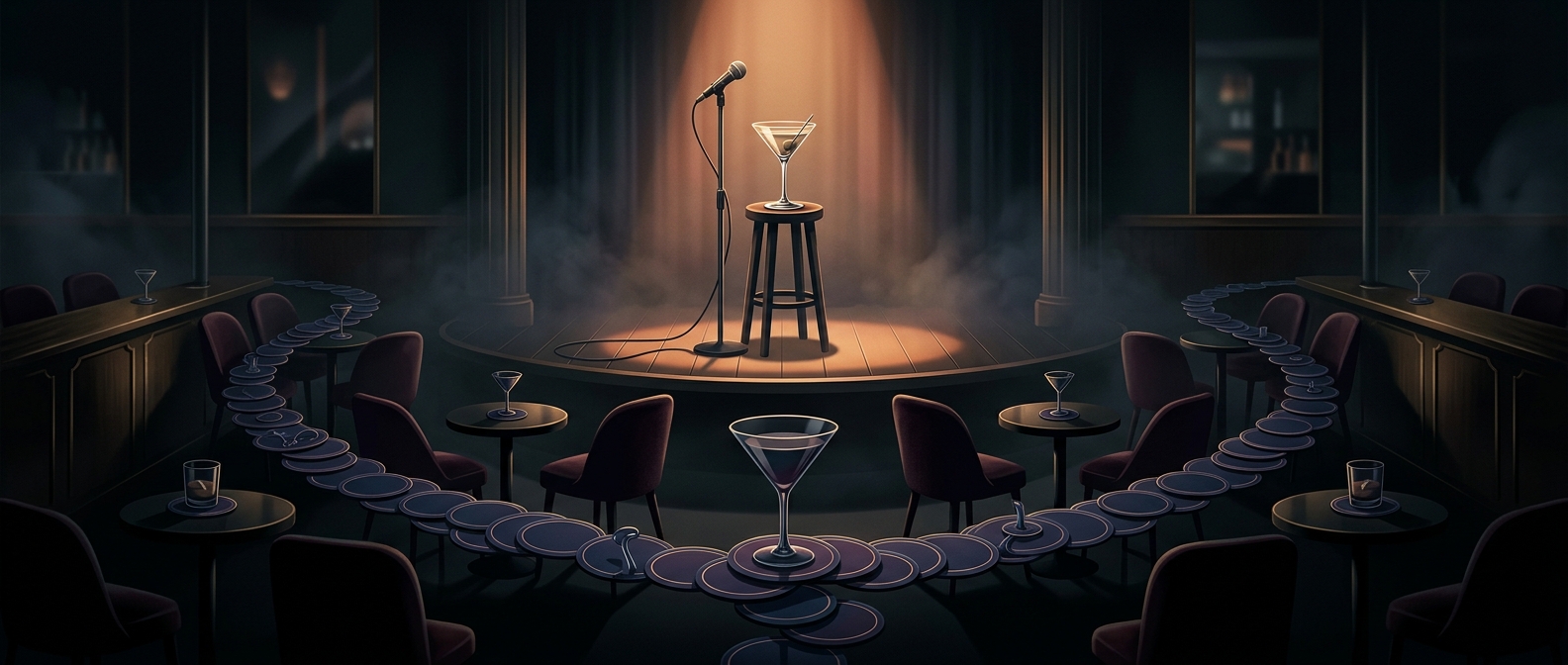
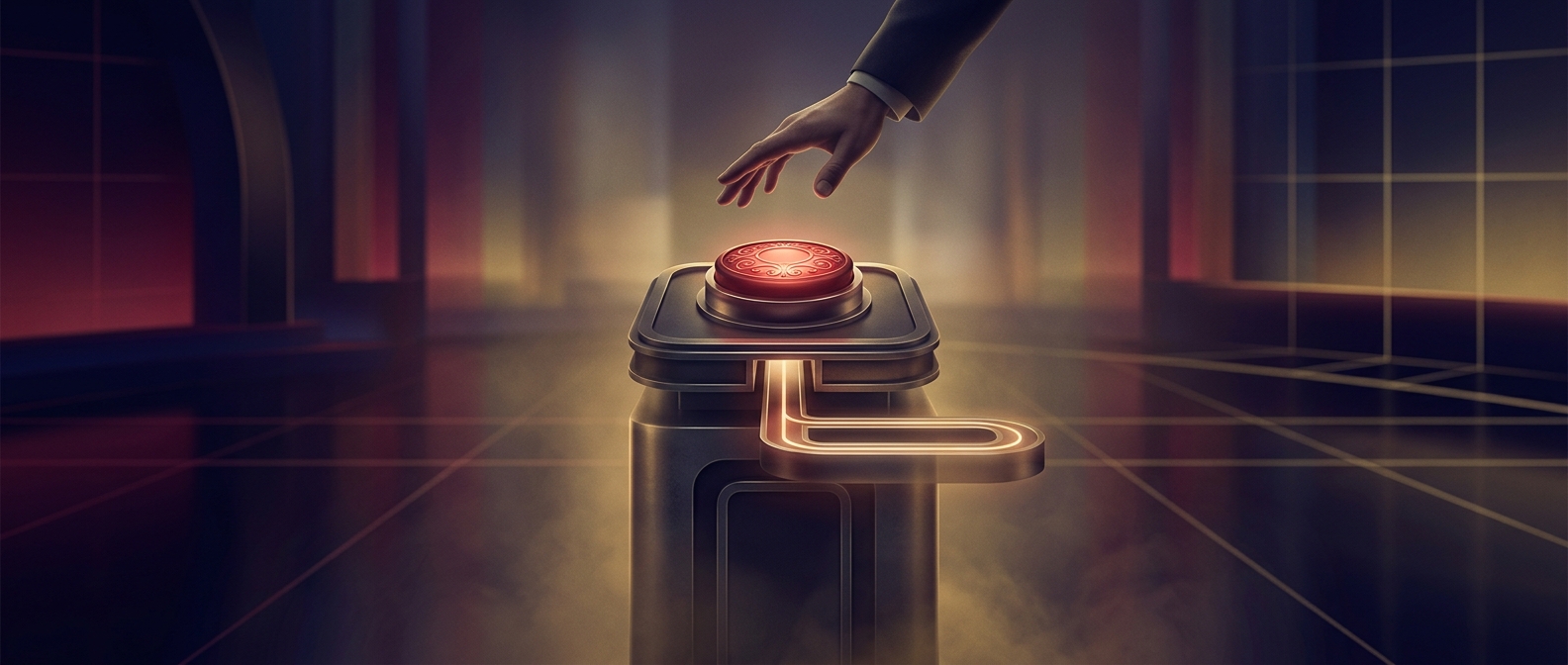
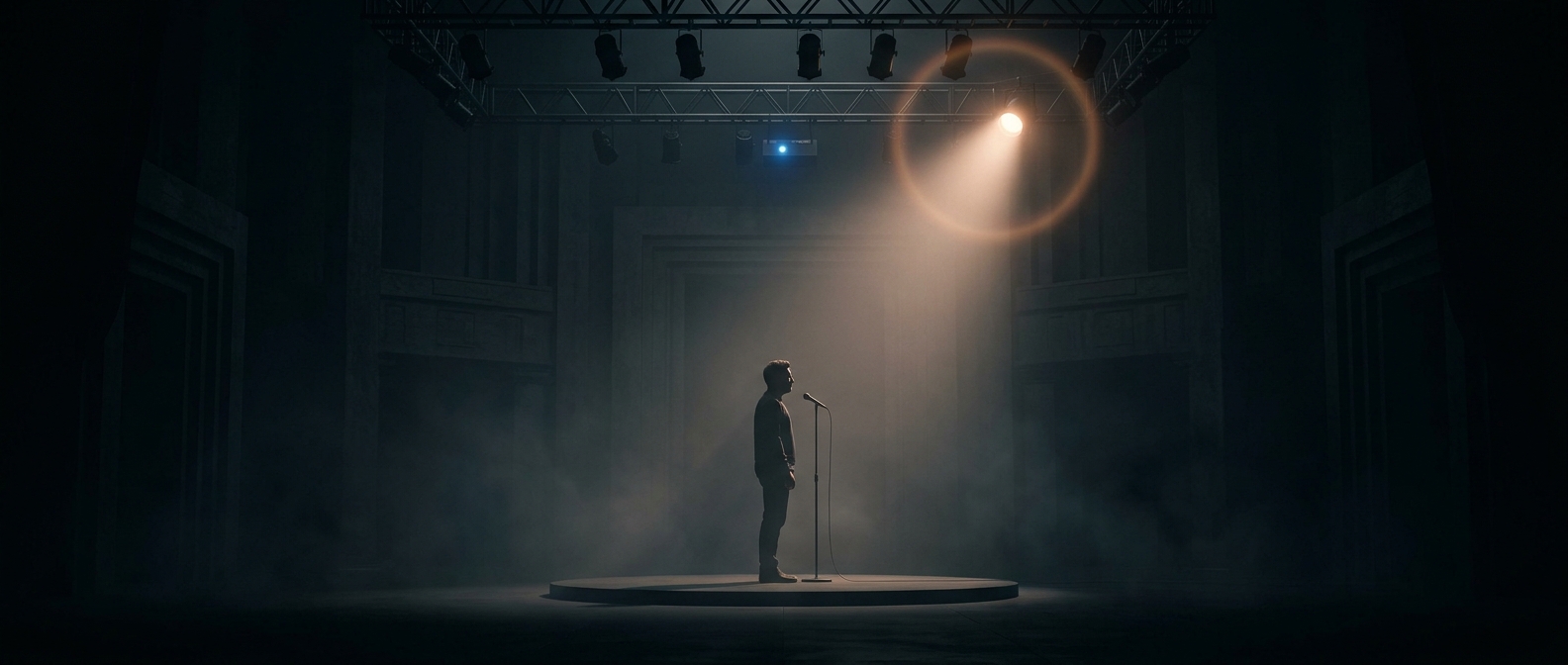
In a comedy show, the red light is a private message delivered in public. It gives the performer a chance to see that their allotted time is over without making an announcement that the whole room would hear. The audience can stay with the joke instead of being pulled out of the moment by a host or stage manager speaking over it.
That subtlety matters because a comedy set depends on timing. An interruption can break a pause, spoil a punchline, or make the end feel like a reprimand. A visual cue leaves the comedian in control of the final beat: they can wrap up the thought, land a closing joke, and leave the stage themselves.
Why the show needs a signal
A lineup runs on shared time. If one act continues well past its slot, later performers may lose time and the venue may struggle to keep the show on schedule. The light lets someone monitoring the performance communicate that limit without turning routine timekeeping into part of the act.
The cue works only if the comedian can notice it while performing. That makes its placement and visibility practical concerns: it must be discreet to the room but clear from the stage. The light is a compromise between two needs—keeping the show moving and protecting the illusion that the audience is watching an uninterrupted performance.