A game shaped by what was on hand
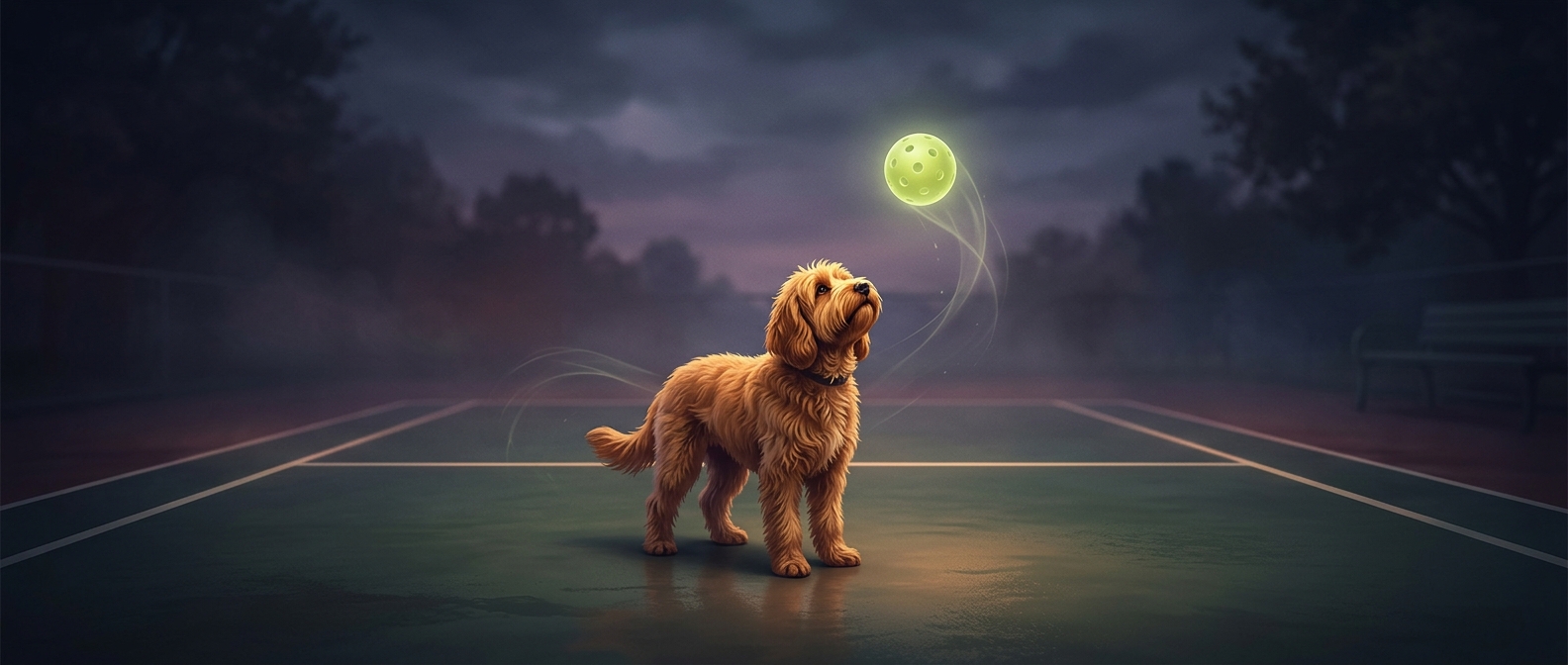
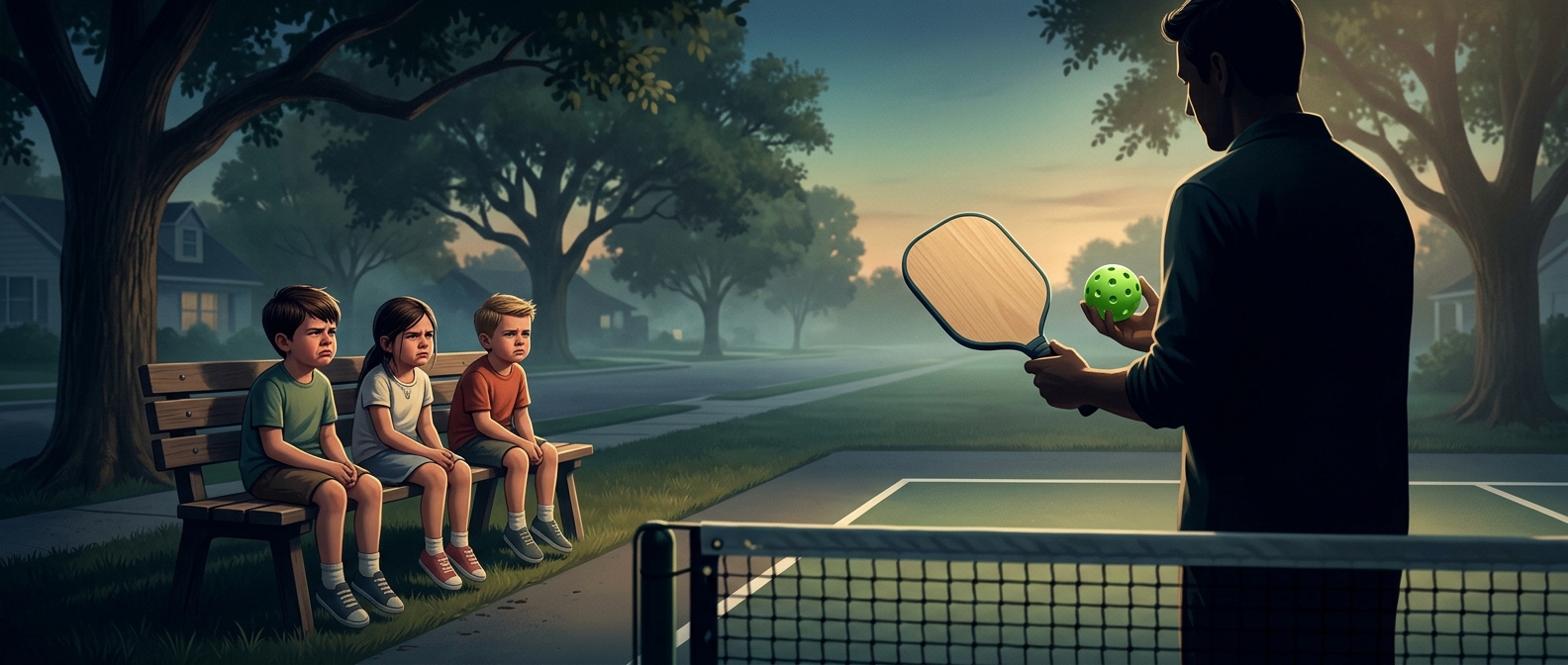
The improvised equipment did more than get the children playing: it helped set pickleball’s basic character. The early game used a badminton court, a net lowered from badminton height, solid paddles, and a lightweight plastic ball with holes. That combination made it possible to play in a backyard without specialized gear, while keeping the ball slow enough for players to rally rather than simply overpower one another.
As the game took shape, its rules adapted to the equipment. Solid paddles reward placement and timing, and the perforated ball behaves differently from a tennis ball, especially in the air. The result is a game where a short, carefully aimed shot can matter as much as a hard hit.
From family pastime to shared court
Pickleball was created in 1965 on Bainbridge Island, Washington, by Joel Pritchard, Bill Bell, and Barney McCallum. Its compact court and relatively approachable pace made it easy to bring new players into a game, including people who might find a full-sized tennis court demanding. Those features helped it spread beyond the original family setting and become popular with retirees as well as younger players.
The backyard origins still show in the game’s design: a court can fit into a modest space, and the equipment is simple. What began as a way to make use of an afternoon became a sport whose central appeal is the quick exchange—one that can keep going even when players have very different levels of power or experience.