A story reaches players before its intended moment
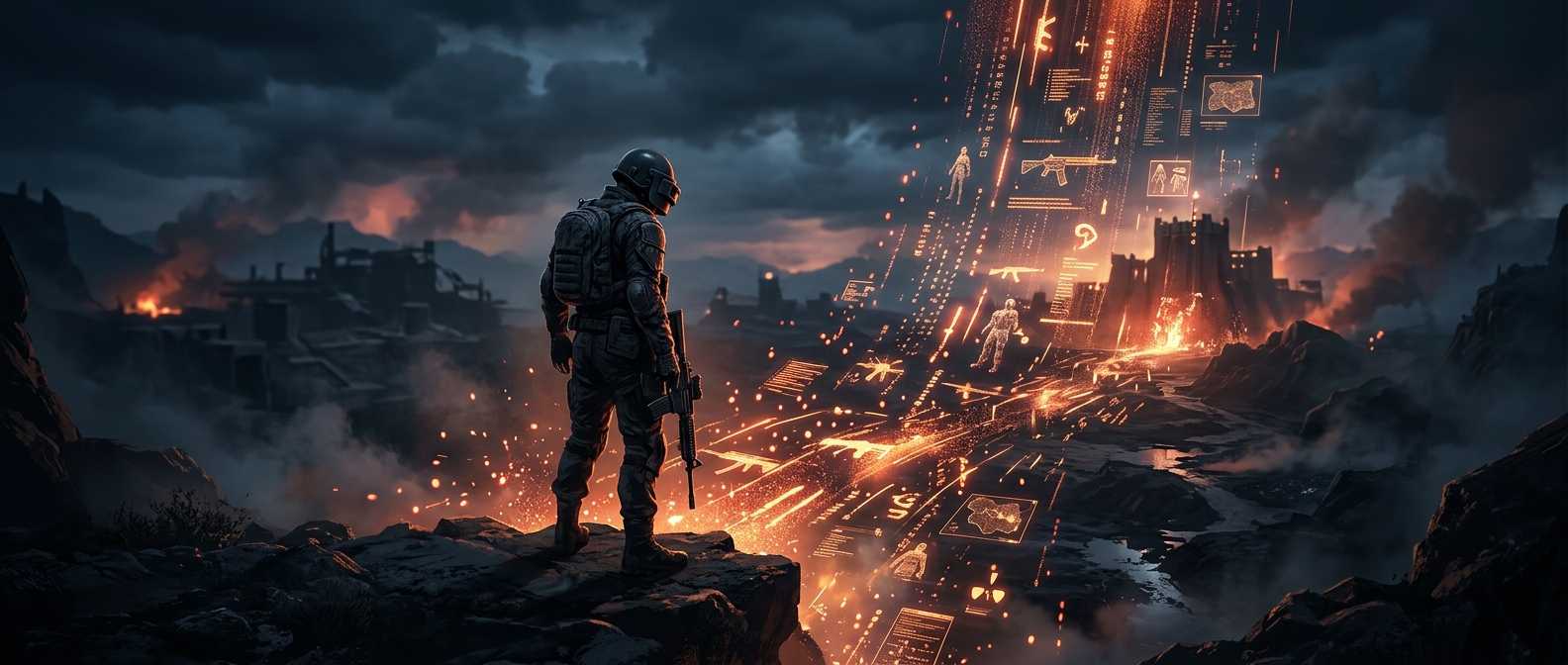
Dataminers inspect the files included in a game build, sometimes finding dialogue, character names, or plot-related assets that are not yet visible during normal play. Those scraps can reveal enough to suggest where a story is headed—but they may arrive without the scenes, pacing, or context that would shape how players encounter them in the finished game.
That changes the conversation. Instead of reacting together after a release, players may judge a major choice from fragments and summaries, then carry those expectations into every later discussion. Spoiler warnings become harder to enforce as excerpts and interpretations spread beyond the original leak.
Why a leak can turn into a demand for a rewrite
A revealed twist is not just information; it can feel like a promise about what the game will value. If players read a character’s fate or a change in the story as a betrayal of what came before, some defend the writers’ right to take an unexpected direction. Others argue that the choice breaks the narrative and should be changed.
The disagreement is sharpened by timing. Before playing the full story, people are responding to what they believe the files mean, not necessarily to the finished sequence. Meanwhile, rewriting a game’s narrative can affect dialogue, scenes, performance, and production schedules, so a public backlash does not translate into a simple edit.
A leak therefore splits more than opinion about a plot point: it separates players reacting to a preview from those waiting for the complete story—and can make the game’s eventual release feel like a verdict on a controversy that began before anyone could play it.