When a Faith-Healing Claim Becomes a Live Test
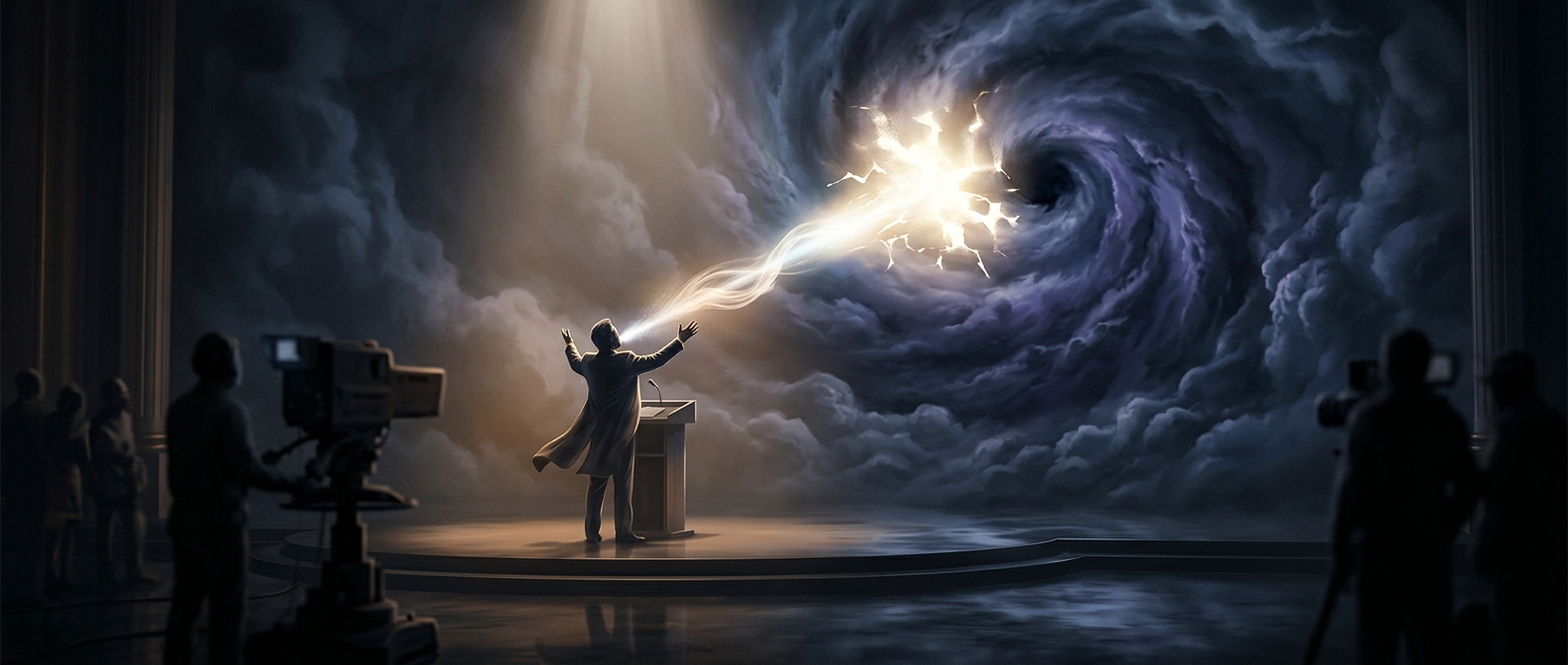
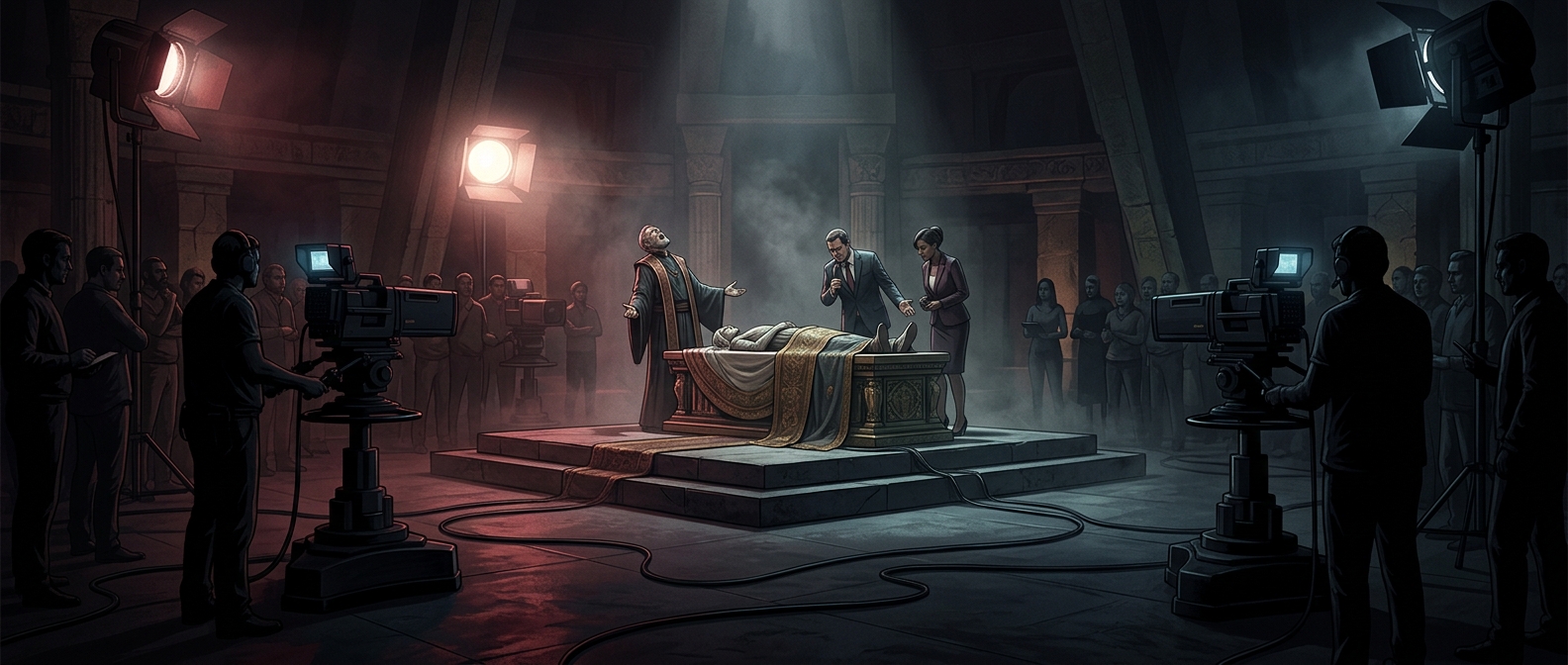
A resurrection claim is difficult to keep in the realm of testimony: it describes a visible change, from death to life. On a live broadcast, viewers are not just hearing that a miracle happened later. They are watching an attempt unfold in real time, with no editing to skip over the uncertain parts or supply a successful ending.
That changes the role of the audience. A staged religious segment can guide attention through prayer, gesture, and expectation, but the promised result still has to appear. When it does not, the broadcast preserves the gap between the claim and what viewers can see.
The Cost of Making the Moment Public
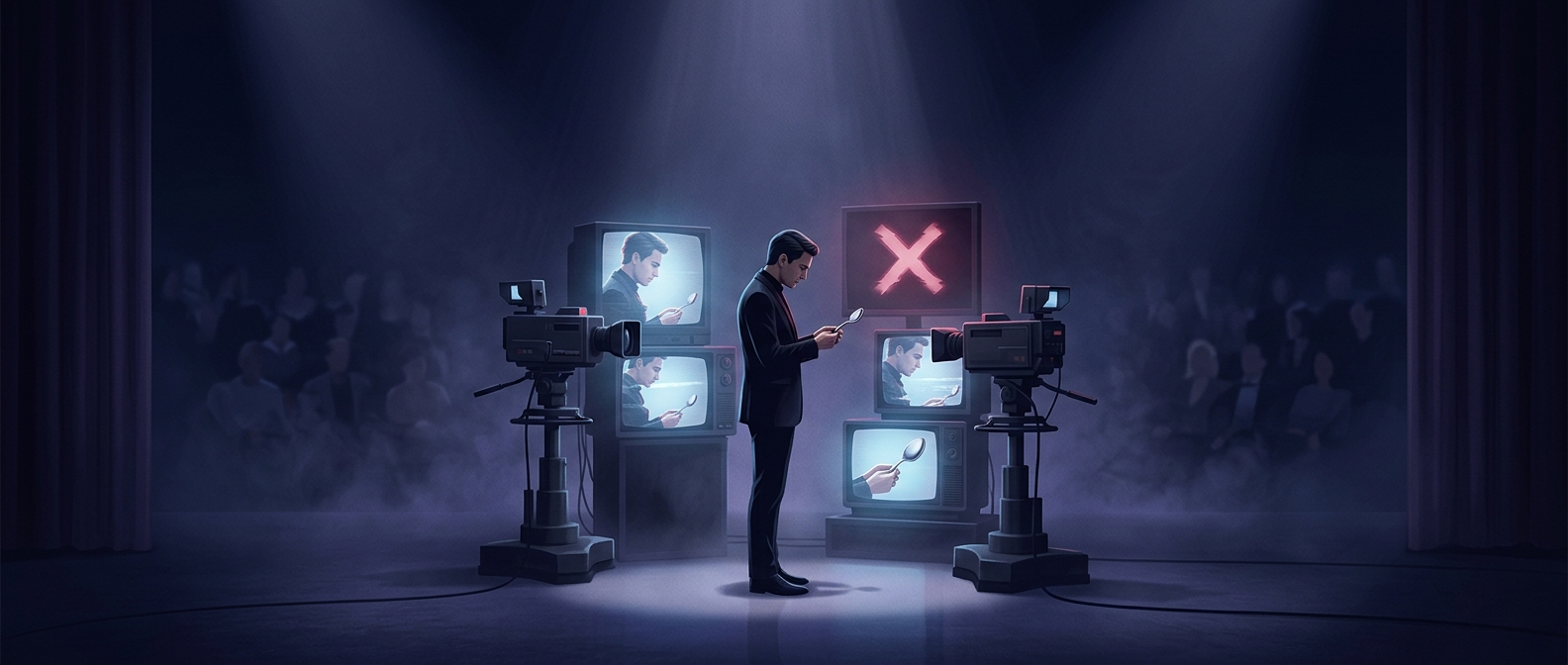
Live television offers immediacy, but it also removes a familiar layer of control: producers cannot cut away and reshape the event afterward. The failed attempt therefore becomes the segment’s defining outcome, not merely a private disappointment or a story retold by supporters and critics.
The striking detail is the format itself. A claim that depends on belief was put forward as a public demonstration—and the camera made the absence of the promised change part of the record.