How Shinkansen etiquette makes a fast ride feel calm
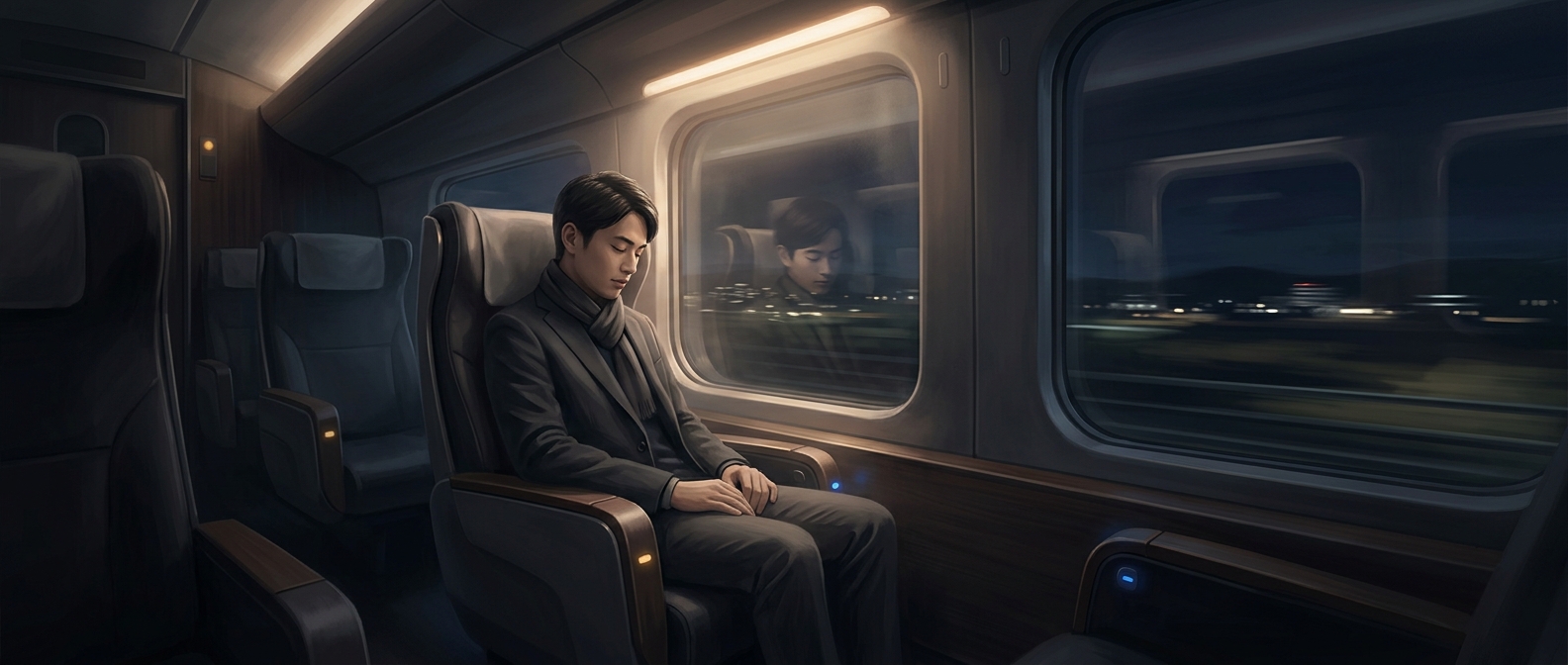
A bullet train moves quickly, but the cabin is a shared space: passengers sit close together, often for a long stretch, while the train makes few abrupt movements. Small habits therefore have an outsized effect on whether the ride feels restful. The aim is not silence at all costs; it is to avoid making one passenger’s activity unavoidable for everyone nearby.
Courtesy built around the cabin
A phone conversation carries farther than its speaker may realize, especially in a quiet carriage. Shinkansen trains provide areas near the doors where passengers can step away to talk. That gives people a practical alternative to speaking over seated neighbors rather than treating every call as a serious breach.
Seat rotation serves a different purpose. Seats can be turned to face the direction of travel, and rotating them between journeys helps prepare the carriage for the next group. When travelers turn a row together, they can also sit facing one another. The courtesy is partly social, but it fits the train’s flexible layout.
Consideration without avoiding food
Eating is an ordinary part of a long-distance train journey in Japan, and station meals are closely associated with rail travel. The distinction is less about banning food than about noticing how its smell affects people sharing a confined space. A strong odor can linger after the meal is gone, so choosing something less pungent is a way to limit an effect that cannot be switched off by a neighboring passenger.
These expectations work because they are concrete and reciprocal: keep sound and lingering smells from becoming someone else’s problem, and leave the carriage ready for the next travelers. On a train carrying many people through the same enclosed space, that quiet consideration is part of what makes the journey comfortable.