Texting turns conversation into a series of drafts
A face-to-face conversation unfolds in real time. A text message does not have to. The sender can pause, delete a sentence, and try again before the other person sees anything. That small delay shifts the task from responding to composing: instead of watching someone think, you often see the result they chose to send.
This control can make it easier to express a complicated thought or disclose something personal. It can also make each message a selected sample of a person, not an unfiltered display of how they act. Someone may be warm and perceptive in carefully written replies while still being hard to read when a conversation becomes awkward or emotionally charged.
The missing cues change what you can infer
In person, meaning arrives through more than words: a pause, a strained laugh, a change in volume, or an expression that does not match the sentence. Text strips away most of those signals. A short reply might mean irritation, distraction, or simply that the sender had little time; the message alone may not distinguish among them.
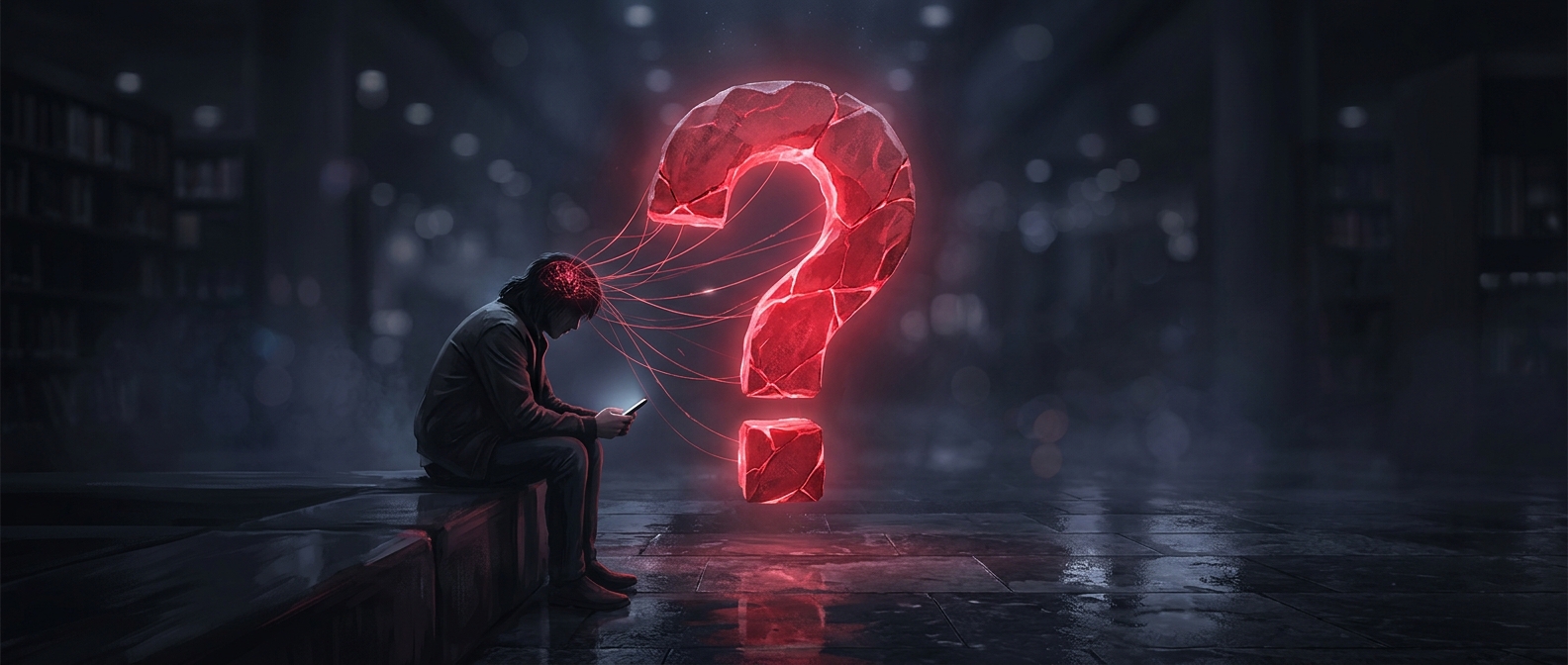
That uncertainty encourages interpretation. Readers fill in what the screen leaves out, often using their expectations about the sender or the relationship. Meanwhile, the sender may be choosing wording to prevent exactly the misunderstanding the reader is trying to resolve. The result can feel intimate—many private thoughts exchanged—while leaving basic questions about timing, reactions, and behavior unanswered.
Knowing someone takes more than knowing their words
Repeated messages do reveal real information: what someone notices, what they care about, and how they choose to communicate. But familiarity with a person’s written voice is not the same as seeing how they respond when plans change, feelings get hurt, or there is no time to revise an answer.
That is why a long message history can produce both closeness and uncertainty. It records what someone was willing and able to say, while leaving much of the unrehearsed interaction off the page.