A new prosthesis can leave useful parts behind
A prosthesis is often adjusted to suit one person’s body, activity and changing needs. When someone gets a replacement, that does not necessarily mean every component has worn out. A joint, foot or other functional part may still work even if the overall device no longer fits its original user.
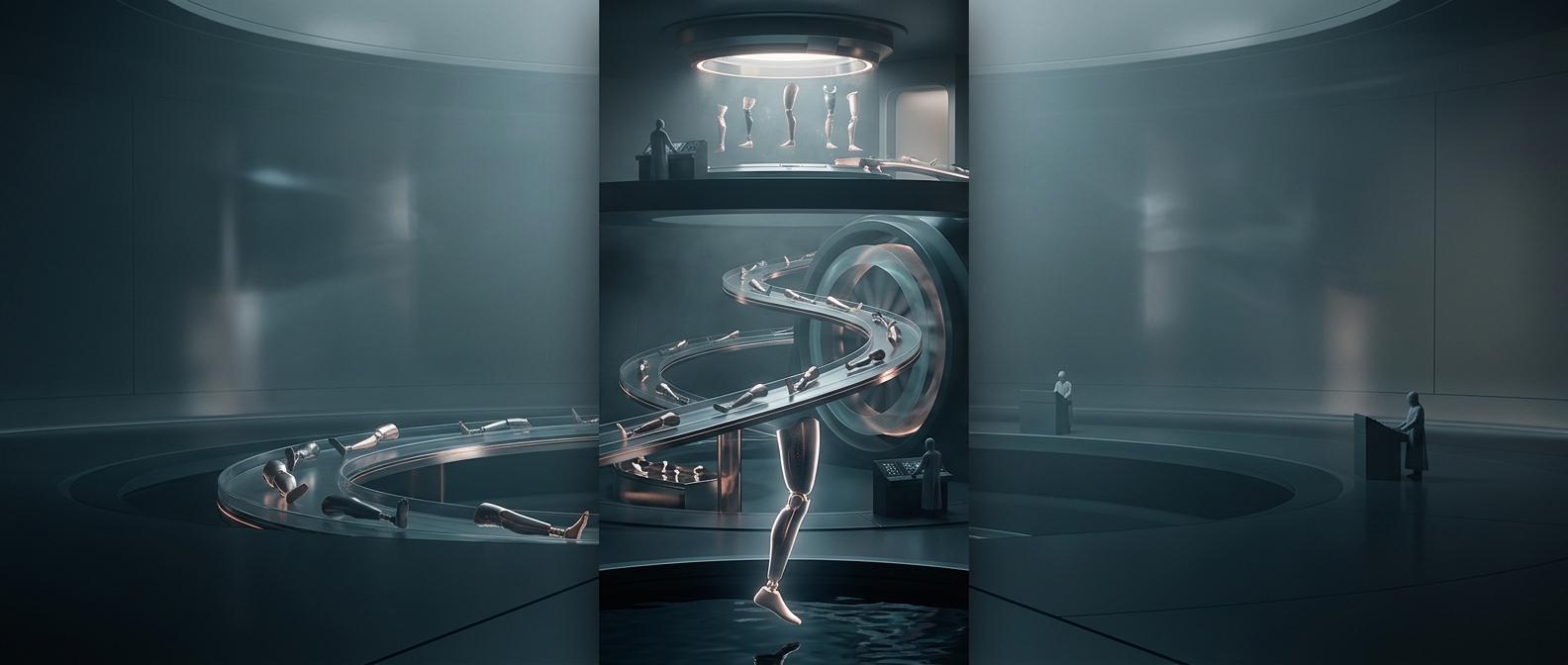
That creates a practical opportunity—and a matching problem. A secondhand mobility network can inspect donated parts, prepare suitable components for reuse and connect them with people who may benefit. Cleaning and sterilization are essential, but they are not enough on their own: a component must also be in sound condition and appropriate for the recipient’s device and needs.
Reuse can lower the cost of mobility
Prosthetic equipment can be expensive, and paying for a replacement component may be difficult or slow. Reusing a serviceable part can make equipment more accessible while keeping it out of the waste stream. The person donating it gains a way to put an unused item to work; the recipient may gain access to a component that would otherwise be out of reach.
The limits matter. A used part is not automatically a safe or suitable substitute, and a secondhand network cannot make every donated component fit every person. Its value lies in separating what is still functional from what is not, then finding a responsible match. A device that has stopped serving one wearer can therefore remain useful—provided it is checked, prepared and matched rather than simply passed along.