Letters as a path to attention
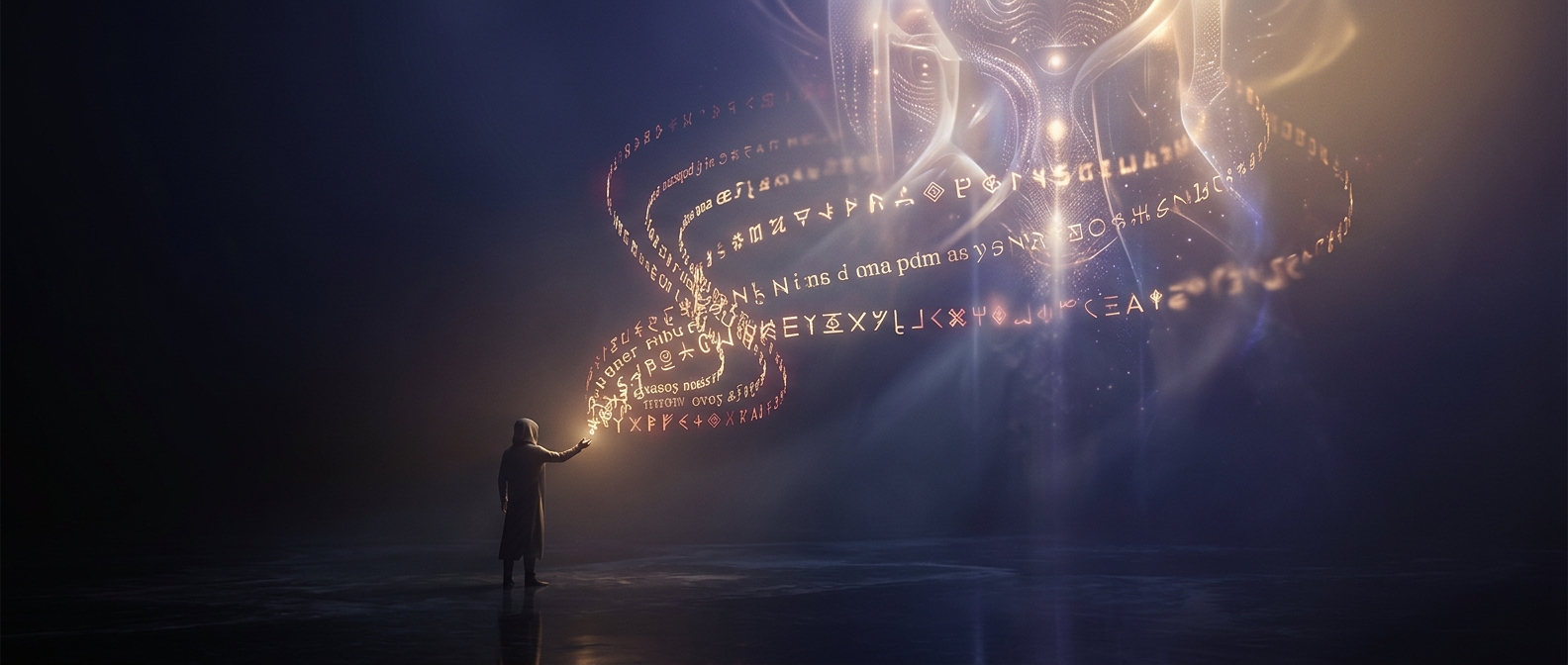
Abraham Abulafia, a 13th-century Jewish mystic, treated the Hebrew alphabet not just as a system for writing but as material for spiritual practice. He repeatedly rearranged letters, especially letters associated with divine names, producing sequences that might not form ordinary words. The aim was not to solve a puzzle or create a new text. It was to focus the mind on the letters and what they represented.
A deliberate sequence, not random repetition
In Abulafia’s method, practitioners worked through combinations in a disciplined way, often pronouncing the letters aloud. His instructions also connected the exercise with controlled breathing and physical movements. These actions gave the practice a rhythm: attention moved between seeing, saying, and contemplating each sequence rather than following the usual flow of conversation or reading.
Abulafia understood this concentration as a route toward prophecy and ecstatic experience—a transformed state of awareness within his religious framework. The practice therefore joined intellectual work to bodily routine. Reordering letters could interrupt familiar patterns of language, while steady repetition kept the practitioner’s attention on the divine meaning he believed the letters carried.
The method shows how, for Abulafia, language could be used as more than a vehicle for ideas: the act of working through letters was itself part of the spiritual discipline.