From an Indian game to an English estate
The name “badminton” points to a place, but the game’s path there began elsewhere. British officers returning from India brought home a racket-and-shuttlecock game known as “Poona,” after the Indian city now called Pune. It was related to older European pastimes in which players kept a shuttlecock in the air, but its organized, competitive form was taking shape in India.
How Badminton House lent its name
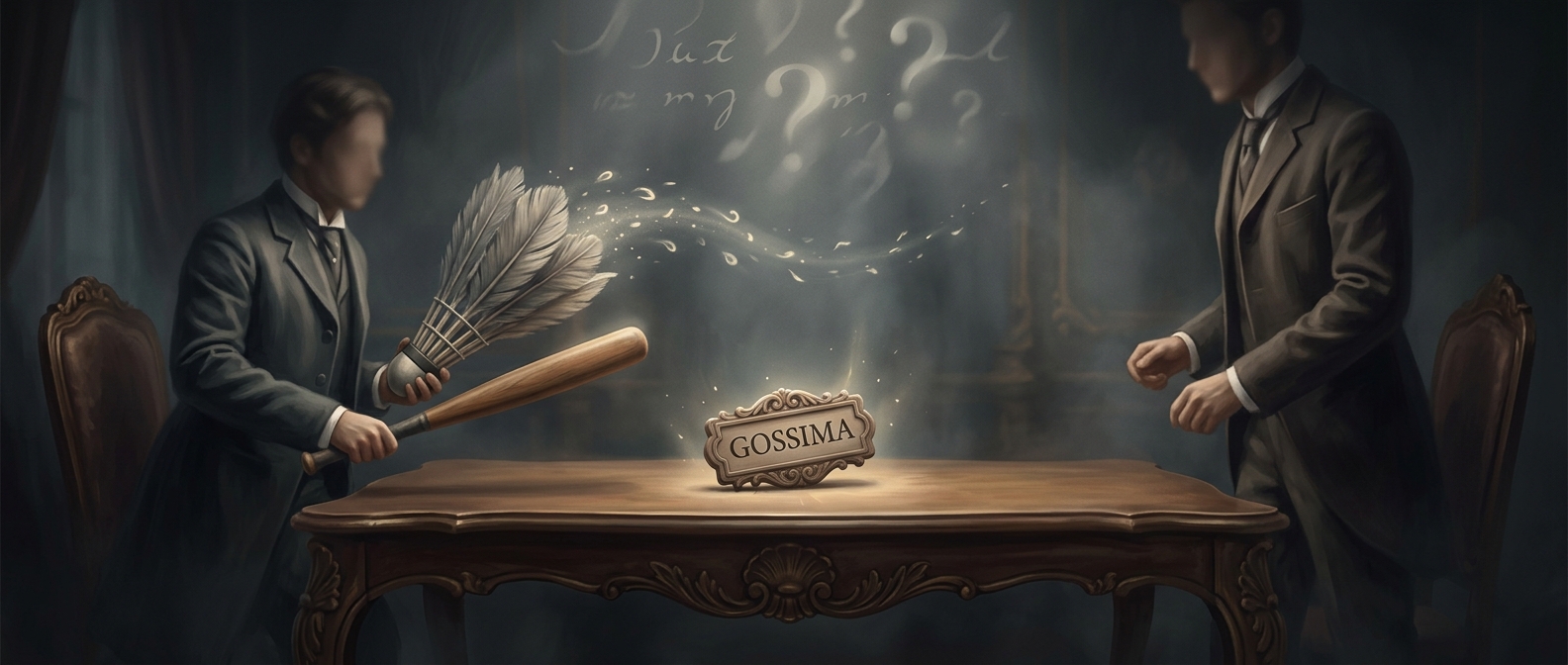
In the 1870s, the game was played at Badminton House, the Duke of Beaufort’s country estate in Gloucestershire. The estate supplied a convenient name for the version played there; over time, that place-name became the name of the sport. The shift is a reminder that games are often named not for their invention, but for a setting where people encountered or popularized them.
A name that outlasted its setting
The sport’s identity soon came to depend on rules and equipment, not on the estate. A net divided the court, and players had to send a feathered shuttlecock over it so it landed inside the opposing side’s boundaries. Unlike a ball, the shuttlecock slows sharply in flight, making quick changes of direction and precise placement central to play.
So the name carries a small piece of the game’s travel history: a pastime brought from India, played at an English estate, and known thereafter by the estate’s name.