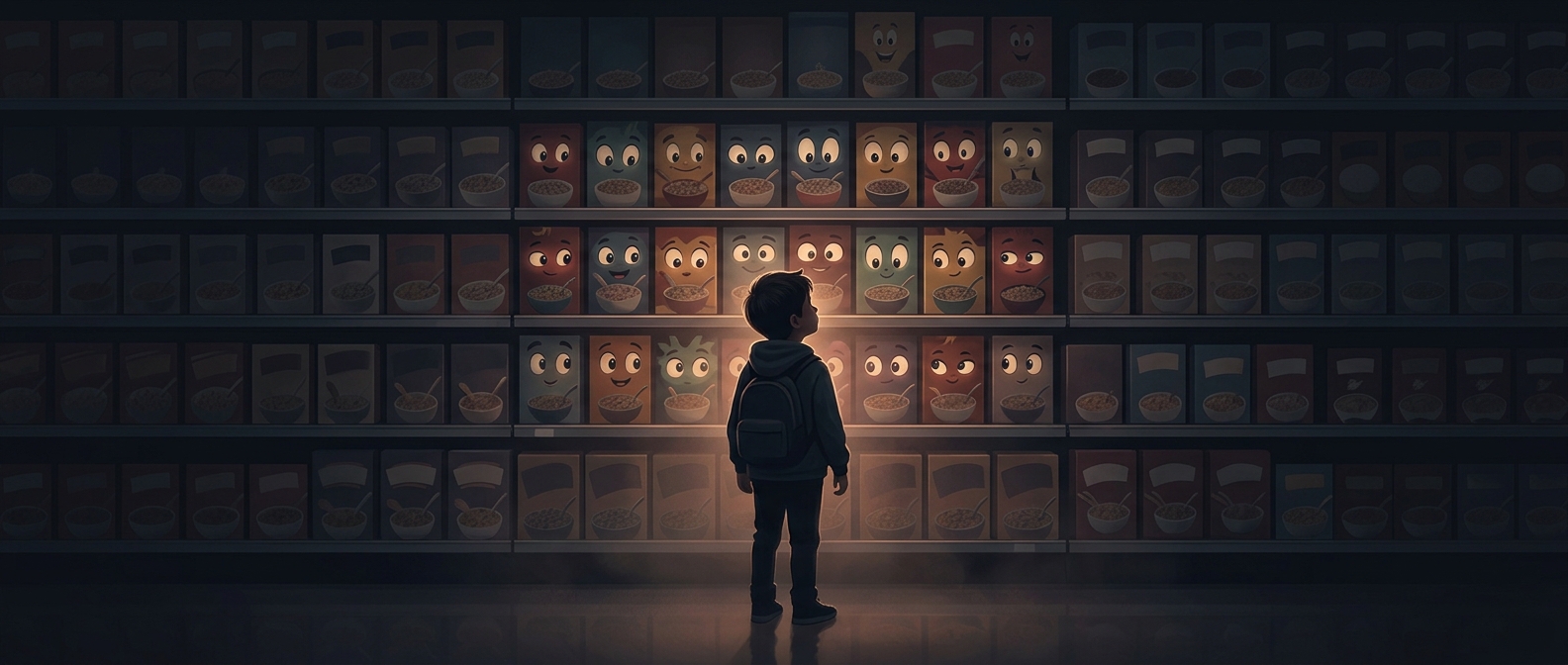
How Tiny Clothing Runs Create a Fear of Missing Out
A limited run changes the shopping decision from “Do I want this?” to “Will I get another chance?” When shoppers believe a style may disappear soon, waiting carries a cost: someone else could buy the last one. That urgency is a form of fear of missing out, or FOMO—the worry that delaying means losing access to something desirable.
The tactic works through perceived scarcity. A garment can feel more valuable when it seems difficult to obtain, even if its appeal has not changed. A sold-out size or a rapidly changing product page makes the possibility of missing out concrete, nudging shoppers to buy before they have much time to compare, reconsider, or wait for a sale.
Why Scarcity Can Pay Off
Small batches can also limit a retailer’s exposure to unsold stock. Rather than committing to a large quantity of every new design, a brand can put fewer pieces on sale and watch what attracts buyers. Strong demand can make the item feel even more urgent; weak demand leaves fewer leftovers to discount or store.
That creates a feedback loop: frequent new arrivals give shoppers reasons to check back, while the possibility that a favorite will vanish rewards quick purchases. The cost is that customers may feel pushed into decisions they would otherwise postpone. A fleeting product can turn browsing into a race against the clock—and a wardrobe purchase into an impulse.