Why cattle can settle a major obligation
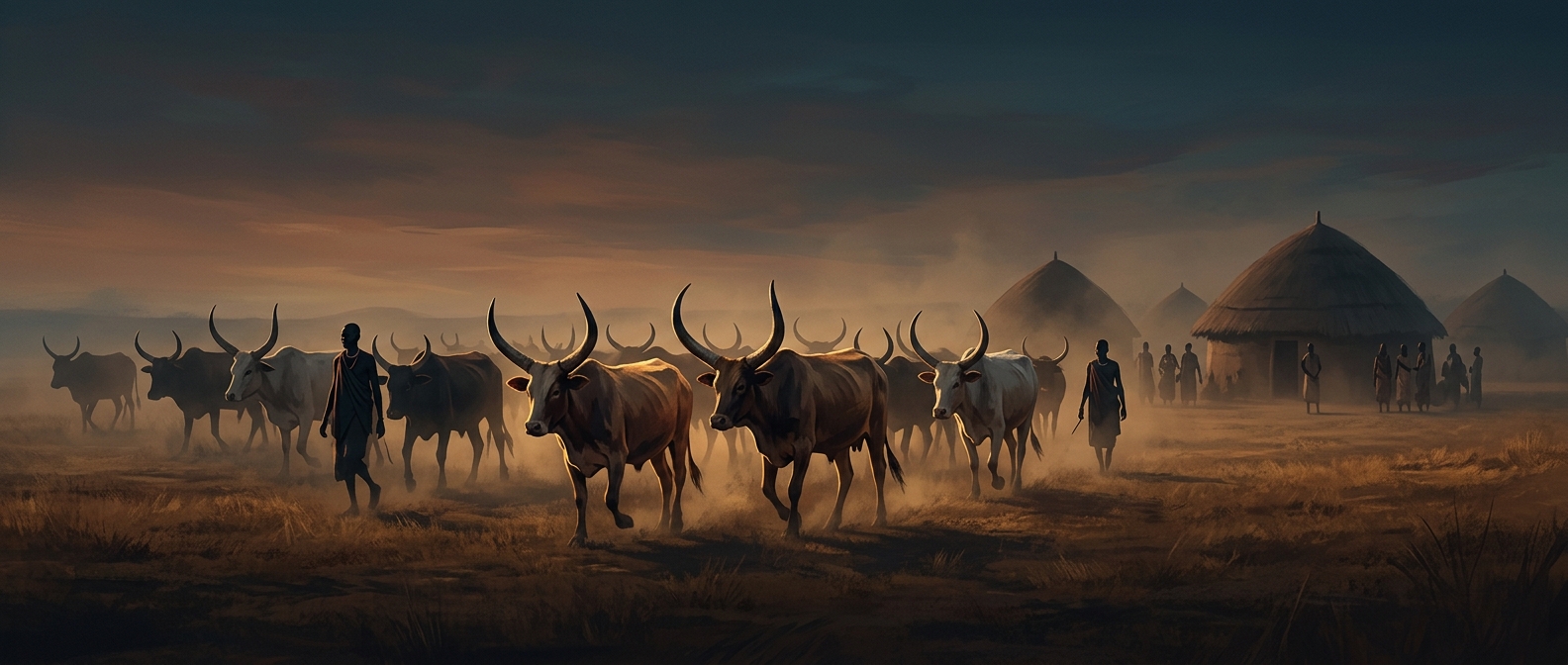
A herd is more than stored wealth. Cattle reproduce, provide milk and can be exchanged or given onward, so they carry value that a family can see and use even where cash is scarce or difficult to obtain. In some South Sudanese communities, that makes livestock a practical medium for obligations that might otherwise require money.
A wedding transfer—often called bridewealth—is not simply a price tag on a bride. It is a negotiated contribution between families, expressed in cattle and shaped by local expectations and the circumstances of the people involved. A figure such as 40 cows is one possible demand, not a universal rate. Because animals are productive assets, assembling that many can take cooperation among relatives and put real pressure on a household’s resources.
The same asset can repair a dispute
Cattle can also be used in settlements after a killing or other serious conflict. Transferring livestock provides a tangible form of compensation and can help families agree on terms for ending a feud. The animals matter economically, but the transfer also makes an obligation visible: it records that a settlement has been made between the parties.
That double role explains why a herd can function like a financial reserve, a family contribution and a means of reconciliation at once. When a major payment is counted in living animals rather than cash, the cost is not abstract—it is measured in livestock a family might otherwise keep, raise or pass on.