Why an ad can cut into a sentence
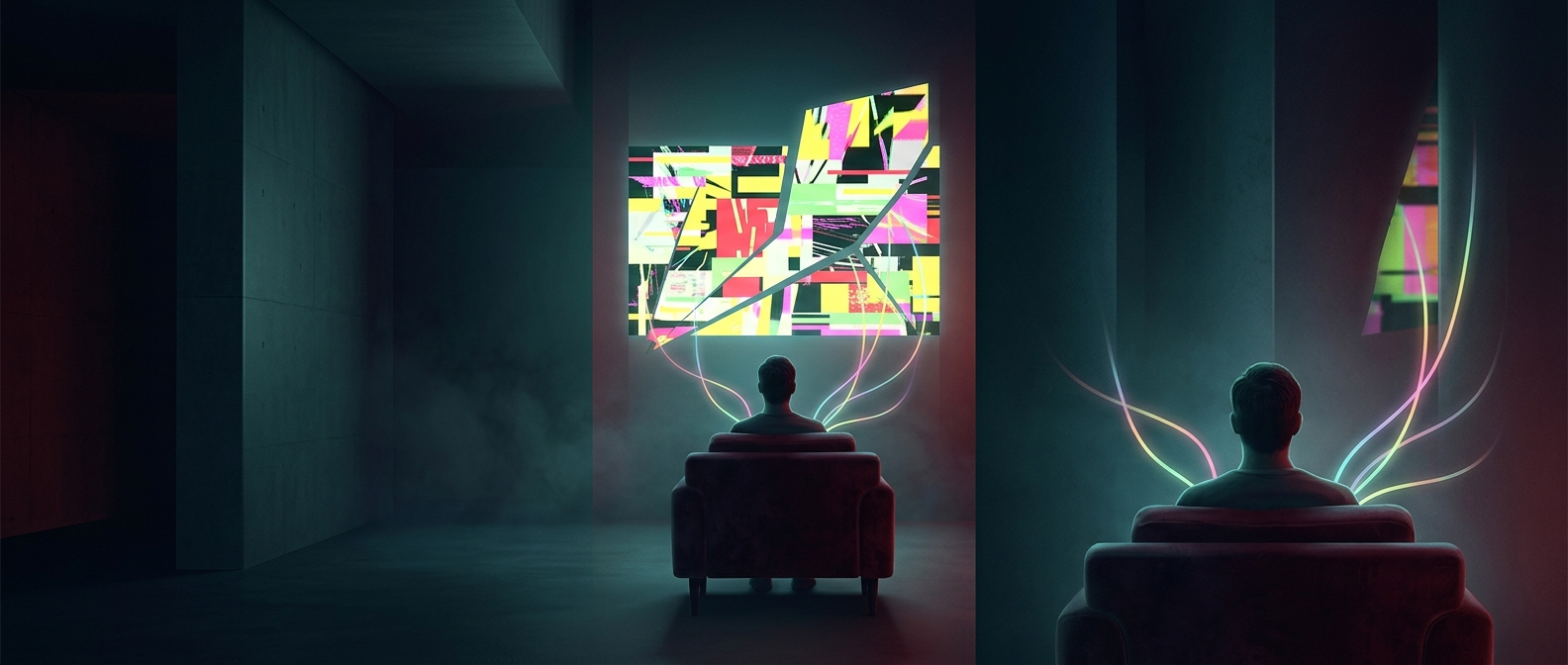
On an ad-supported streaming service, the system that decides when to show commercials may place them inside a video rather than only at its beginning or end. Automated placement can help fit more ads into a viewing session, but it may not recognize a speaker’s pause as a natural break. A commercial that arrives mid-thought can make a creator’s carefully paced video feel abruptly interrupted—and leave viewers blaming the person on screen, even when the placement is controlled elsewhere.
That creates a conflict over revenue and control. Advertising helps fund free viewing and can generate income for creators, but an interruption that drives viewers away may undermine the very audience that makes the ads valuable. Creators have reason to object not only to the disruption, but also to a system that can affect their work without giving them meaningful control over where the break falls.
Why turn the screen black?
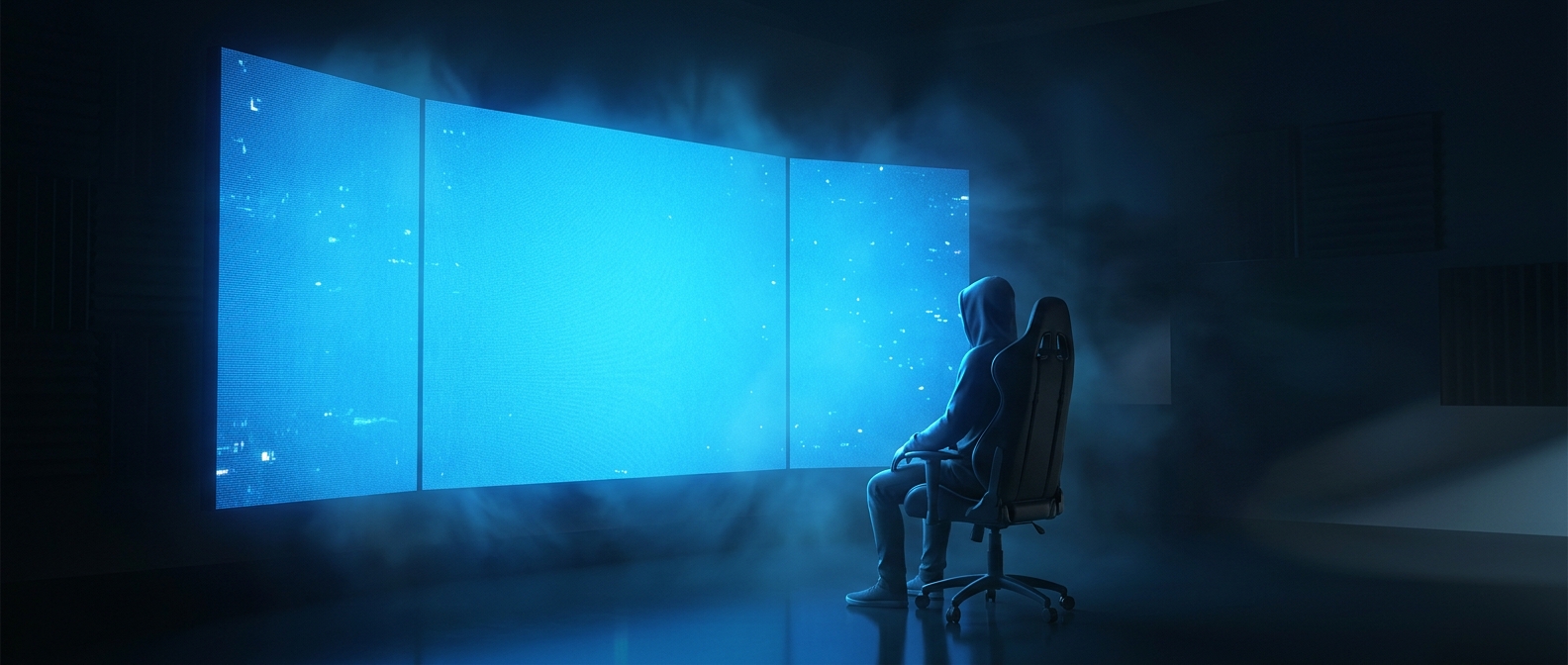
Some creators’ black-screen protest makes the interruption itself visible. Instead of continuing as if nothing happened, they leave viewers with an empty image, signaling that the viewing experience has been altered by the ad system. It is a simple gesture, but it shifts attention from the video to the platform decision behind the interruption.
A boycott can also put pressure on the service by threatening what it depends on: creators’ content and viewers’ time. The tradeoff is that withholding or disrupting videos can cost creators attention and potential earnings, too. The protest’s point is to make that cost hard to ignore—and to argue that ad revenue should not come at the expense of a coherent viewing experience.