Why the Briefcase Became a Box
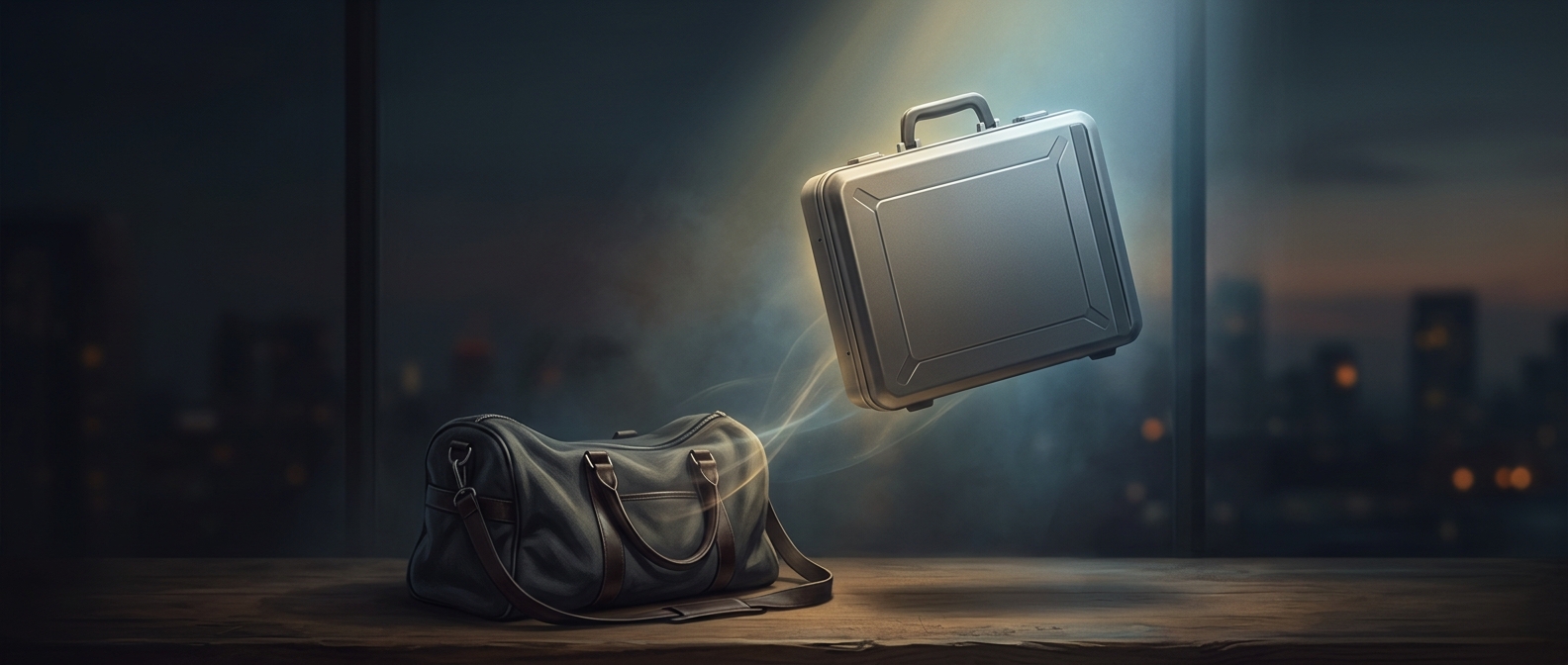
A cloth satchel could carry papers, but it offered little resistance when squeezed in a crowded carriage, stacked beneath other luggage, or set down carelessly. Its soft sides bent with whatever pressed against them. As business increasingly depended on carrying documents from place to place, that flexibility became a liability: folded, creased, or jumbled papers were harder to use.
The hard briefcase addressed the problem by giving the contents a shape of their own. A rigid frame or shell keeps the sides from collapsing, while a hinged lid and clasp let the case open for access and close around its contents. Instead of asking papers to survive the pressure directly, the case takes much of it first.
Protection Came With a Tradeoff
A firm-sided case can help keep documents flat and organized, but it is less forgiving than a bag. Its fixed shape takes up space even when nearly empty, and the added structure makes it bulkier to carry. Later materials could change the balance between weight and sturdiness, but the basic idea remained: build a protective container around the things being transported.
That shift turned the briefcase from a mere carrier into a portable filing space. The papers inside could arrive closer to the condition in which they were packed—a small practical improvement that mattered whenever work had to travel with its owner.