The phosphorus in your body is chemically locked away
The match comparison counts phosphorus atoms, not pieces of the pale, reactive element used in some match-making. In the body, phosphorus is mostly present as phosphate: phosphorus bonded to oxygen and incorporated into stable compounds. It does not sit in tissues as a stash of match-head material, and it cannot be collected or ignited from the body.
One element, several essential jobs
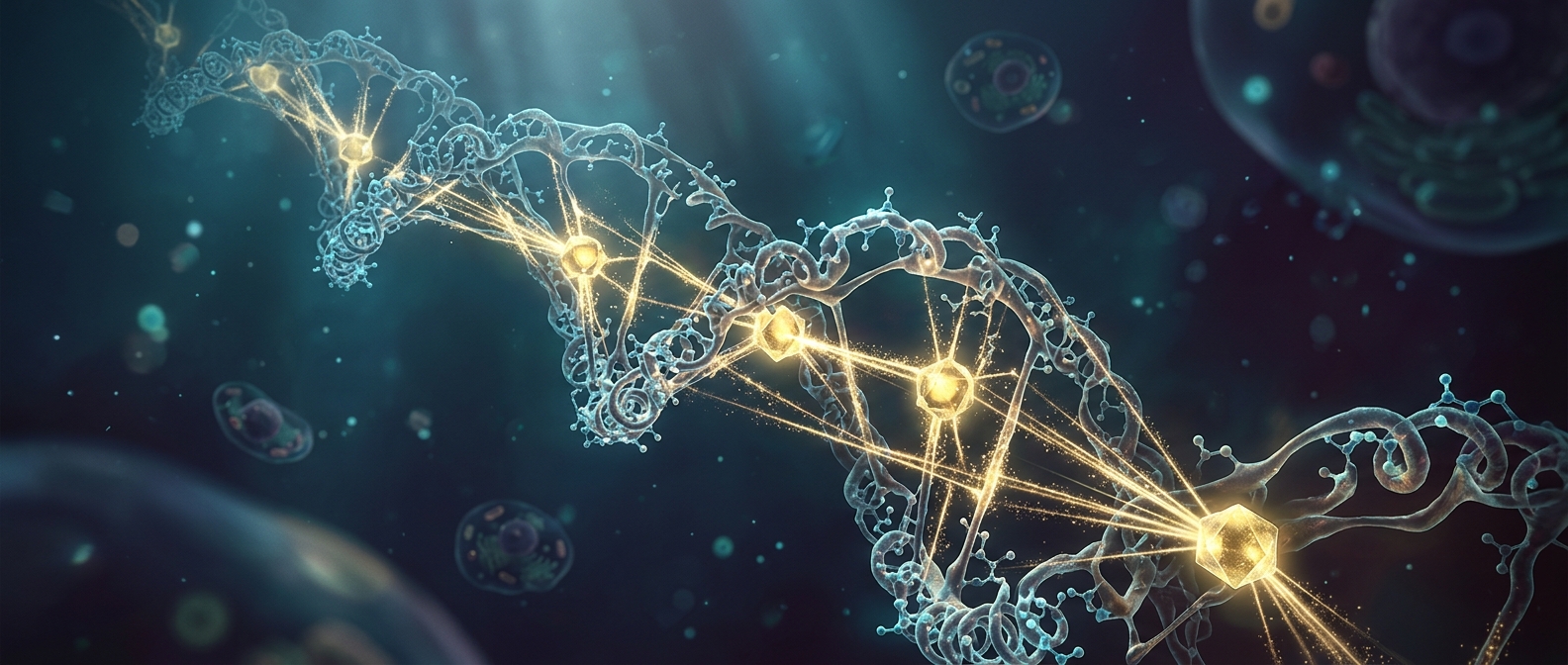
Much of the body’s phosphorus is paired with calcium in a hard mineral that gives bones and teeth strength. The rest is distributed through cells, where phosphate is part of DNA and RNA, helps form cell membranes, and participates in the transfer of energy.
When a cell uses energy, it often shifts phosphate groups among molecules. ATP—the cell’s readily usable energy carrier—can release energy when one of its phosphate groups is removed; the cell can then use that energy to power work such as muscle contraction or moving substances across a membrane. The same element that helps make a tooth hard is therefore also involved in the moment-to-moment chemistry of living cells.
Why the match count is only an analogy
A match works through a carefully arranged set of chemicals and a reaction triggered by friction. Body phosphorus is embedded in minerals and molecules, in forms suited to building tissue and running cellular reactions—not to catching fire. The comparison is striking because the quantity adds up across the whole body; it says nothing about the phosphorus being available as a fuel.
That distinction is the memorable part: the body can contain a match-sized amount of an element without containing a match-sized supply of the reactive substance a match needs.