A resort stopped by war, not by time
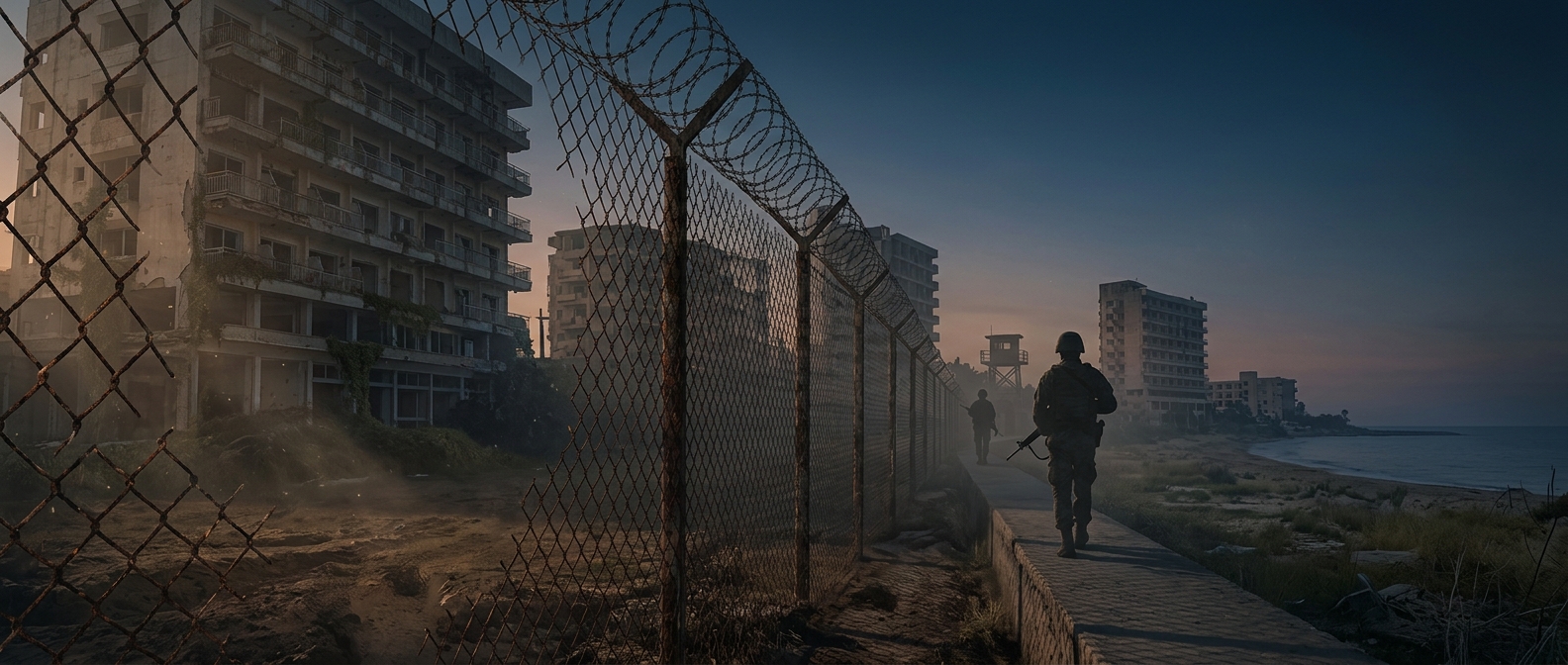
Varosha was built as the beachside face of Famagusta, a port city on Cyprus’s eastern coast. Its hotels, shops and holiday apartments depended on a steady flow of visitors—and on the people who lived and worked there. In 1974, fighting after a coup in Cyprus and Turkey’s military intervention drove residents from the district. The Turkish military cordoned off Varosha, and its inhabitants were not able to return to their homes.
That sudden closure left an unusual urban snapshot. Businesses had no ordinary chance to sell off stock, renovate or change with the market. Cars and shopfronts remained, while hotels that once relied on guests stood empty. The familiar image of a 1974 Toyota left in a dealership captures the interruption, but the buildings have not been preserved in a time capsule: decades of sun, wind, salt air and neglect have steadily damaged them.
What visitors can see—and what they cannot
Parts of Varosha have opened to visitors, allowing people to walk along designated routes past the abandoned resort landscape. Access does not mean the district has returned to normal life. The wider Cyprus conflict remains unresolved, and the question of who may return, live there or control its future is politically contentious.
That tension shapes the experience on the ground. A decaying hotel is not merely a relic of old tourism; it is also a home and a business left behind by displacement. Varosha’s empty streets make the cost of a political rupture unusually visible: a place designed for seasonal crowds became a landscape where even the signs of ordinary commerce seem to have stopped midstream.