Why Paris Tried to Reject the Eiffel Tower
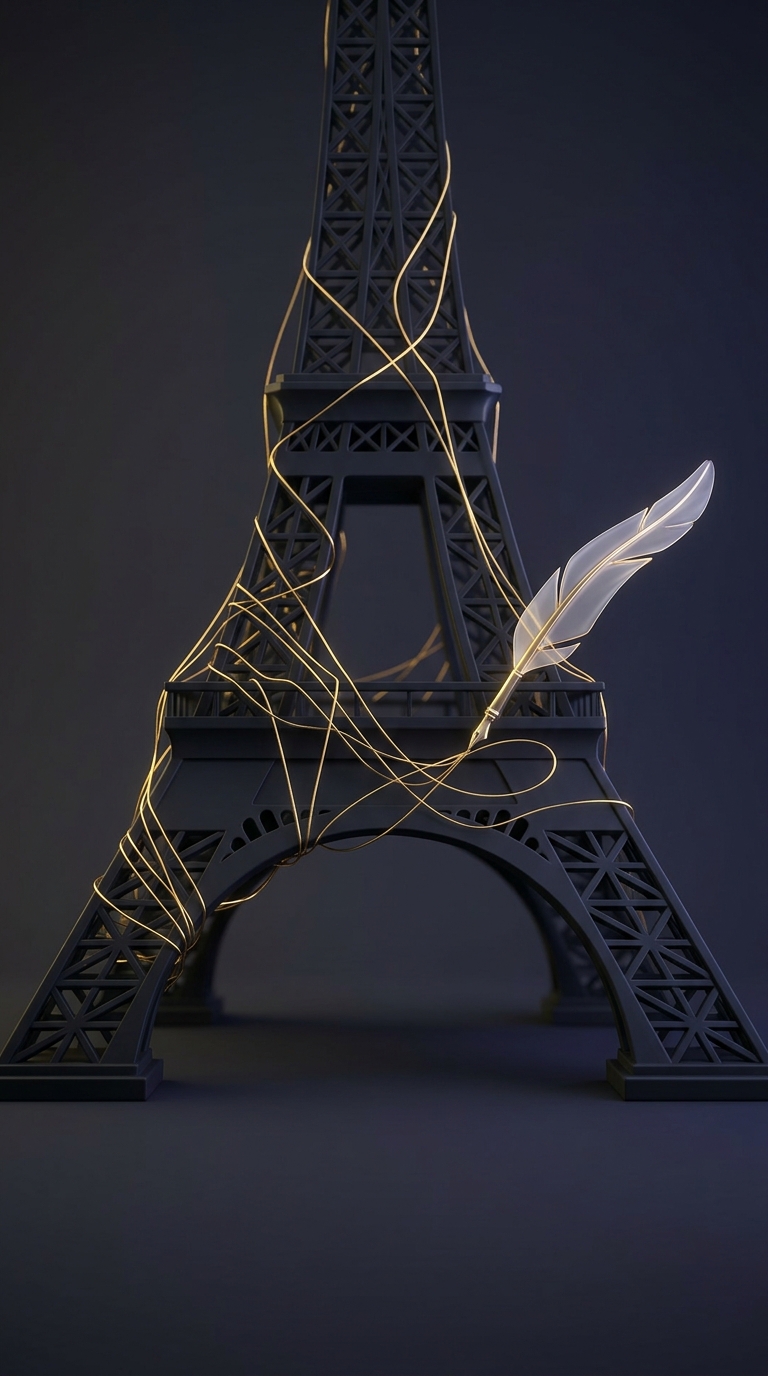
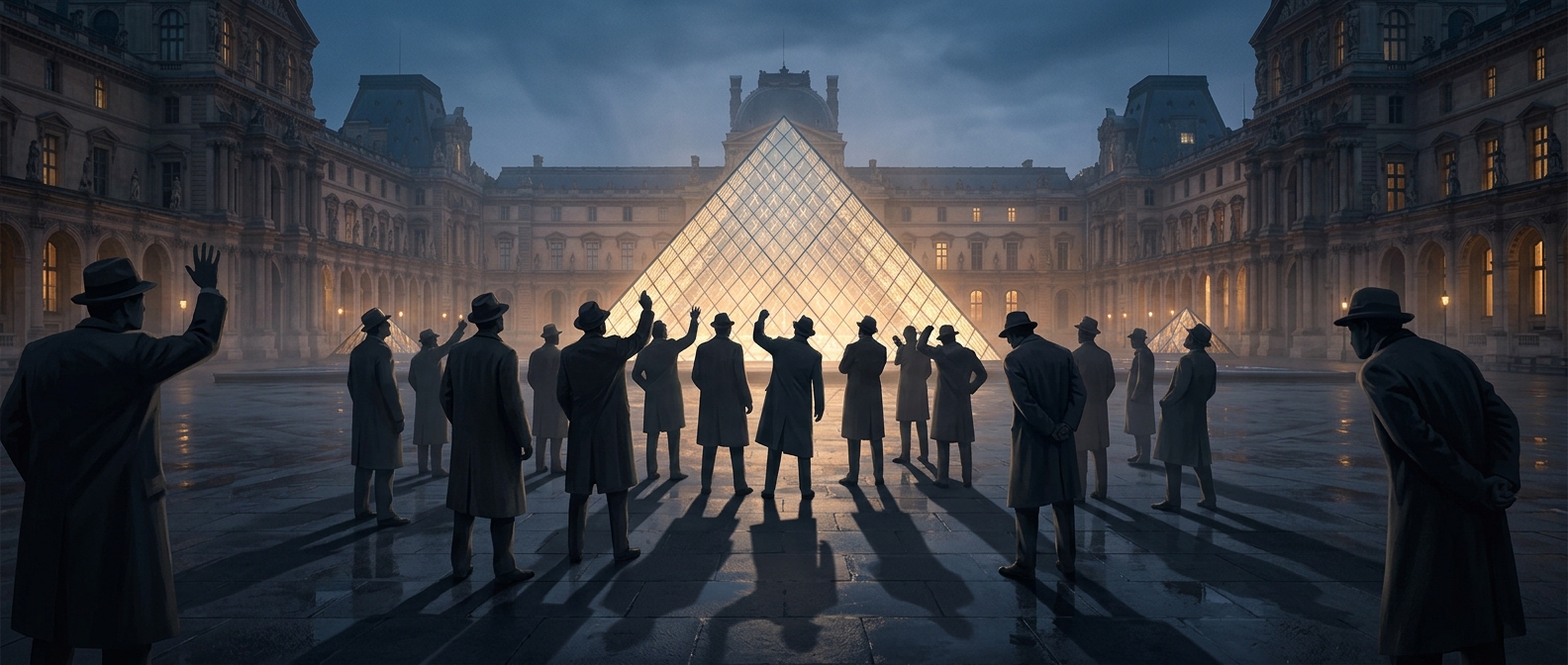
The Eiffel Tower was conceived as a temporary centerpiece for the 1889 Exposition Universelle, the world’s fair marking the centenary of the French Revolution. Its iron lattice was a conspicuous break from the stone façades and carefully composed vistas that many Parisians associated with the city’s beauty. Critics feared that a vast industrial structure would overwhelm the skyline rather than complement it.
Their objection was not simply to a tall building. The tower made engineering itself the spectacle: its open framework exposed the metal supports that conventional architecture usually concealed. To opponents, that looked less like a monument than a factory chimney planted beside Paris’s historic landmarks. Their protest reflected a genuine conflict over what the modern capital should look like.
A Temporary Tower Found a Permanent Use
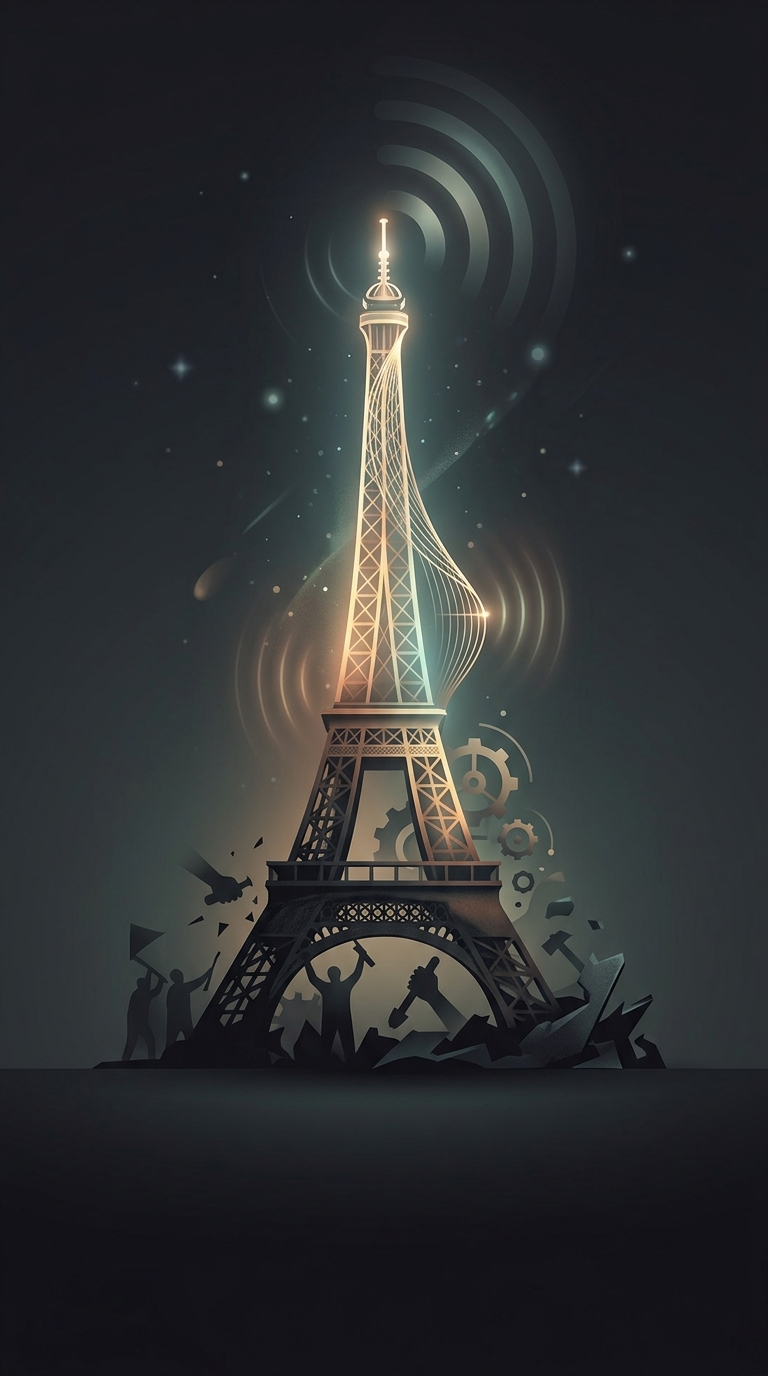
The fair gave the tower an immediate purpose and a huge audience, but its long-term survival depended on more than changing public taste. It was intended to remain for about 20 years, after which it could be dismantled. As that deadline approached, the structure’s height and exposed framework proved useful for experiments and communications, including radio transmission. Those practical uses gave officials reasons to keep it standing.
That changed the meaning of the tower. What had seemed an intrusive piece of fairground engineering became infrastructure as well as a landmark. Its iron frame was no longer merely a stylistic challenge to Paris; it could serve the city in ways a decorative monument could not.
From Objection to City Symbol
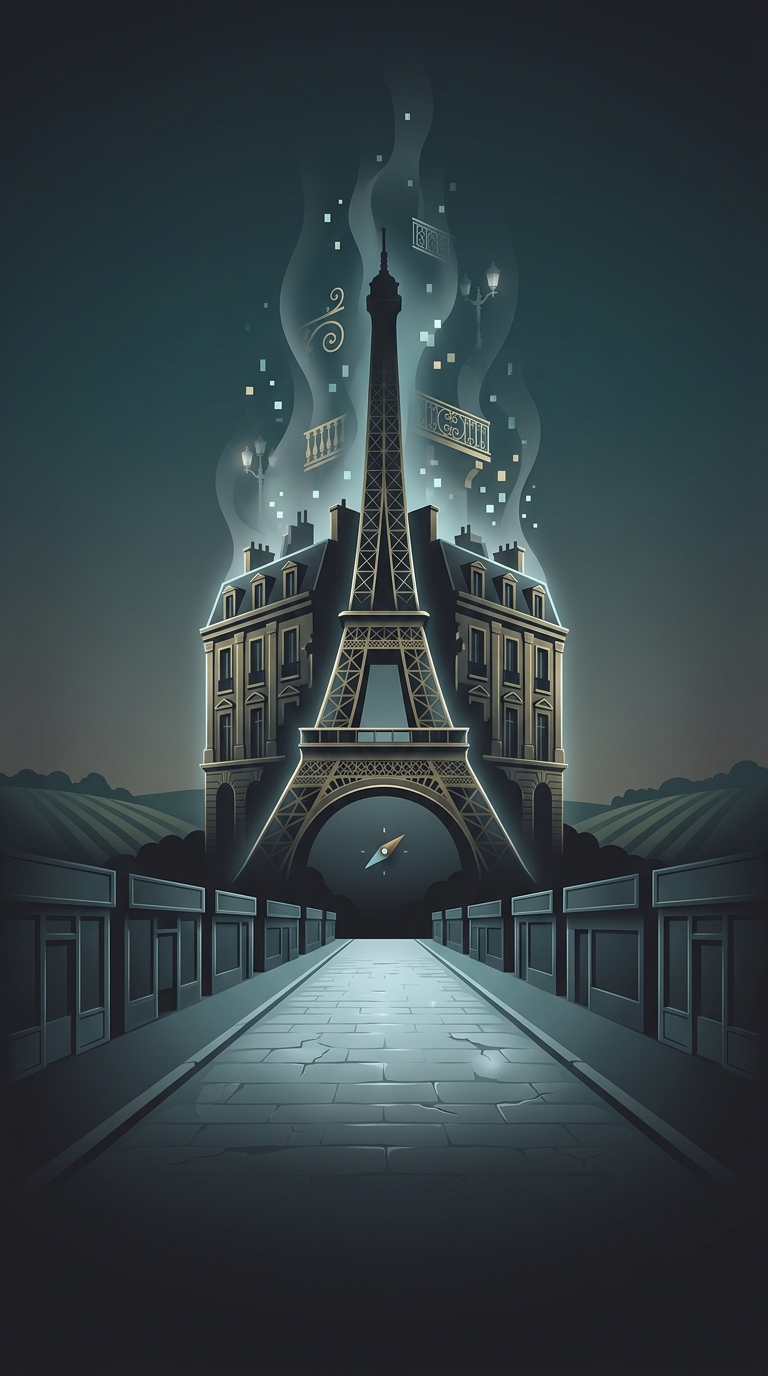
The Eiffel Tower’s acceptance was not instantaneous, and it did not erase the original dispute. Instead, the tower acquired a place in Paris through continued use and familiarity. The irony is that the feature critics found most alien—its unmistakably engineered silhouette—became the reason it could stand apart from the city’s older architecture. A structure planned for a limited run at a world’s fair ultimately became one of the skyline’s defining features.