Parisian façades, built for a different city
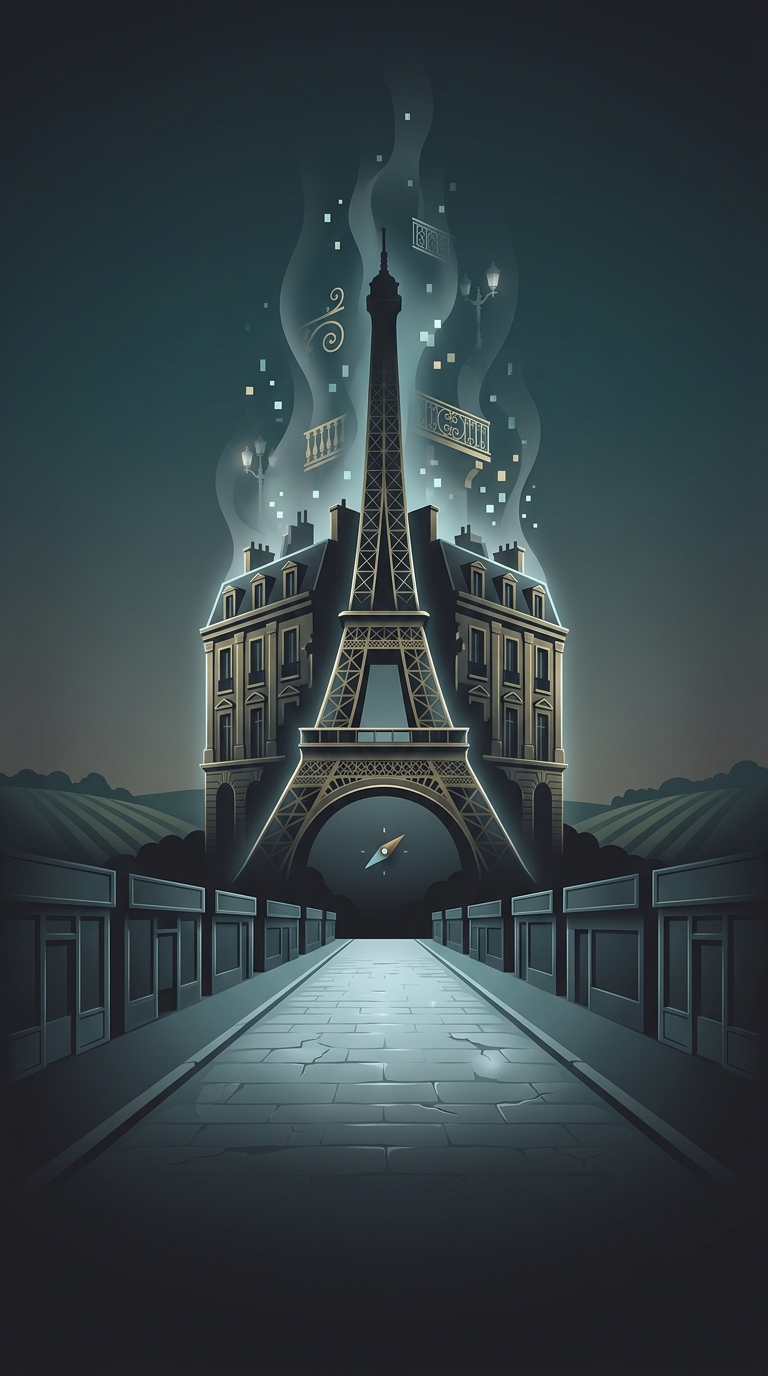
Tianducheng’s Paris-like streetscape is more than a landmark copied at smaller scale. Its buildings borrow the look of Haussmann-style architecture: the orderly blocks, pale stone façades, and consistent rooflines associated with the rebuilding of Paris in the 19th century. The design gives the development a ready-made sense of grandeur, turning an ordinary walk or apartment view into a recognizable European scene.
But an architectural image cannot reproduce the systems that make a city function. A replica tower may draw visitors, yet residents still need convenient routes to work, shops, schools, and other everyday destinations. When homes are built faster than those connections and local demand develop, an impressive-looking neighborhood can remain quiet even if its buildings are finished.
The gap between a place to visit and a place to live
That helps explain why Tianducheng’s spectacle did not immediately translate into a busy residential community. Its Parisian appearance was visible at once; a settled population depended on practical reasons to move there. For people willing to live outside the French capital, lower housing costs could make the comparison appealing—but cheaper rent alone does not make two places interchangeable. Jobs, travel time, and daily routines still shape where people choose to live.
As residents arrived, the development became less like an empty stage set and more like a neighborhood. Its striking lesson is that a city’s skyline can be copied quickly; the habits and connections that make a city feel inhabited take longer to build.