The biggest legal line is leaving the visitor route
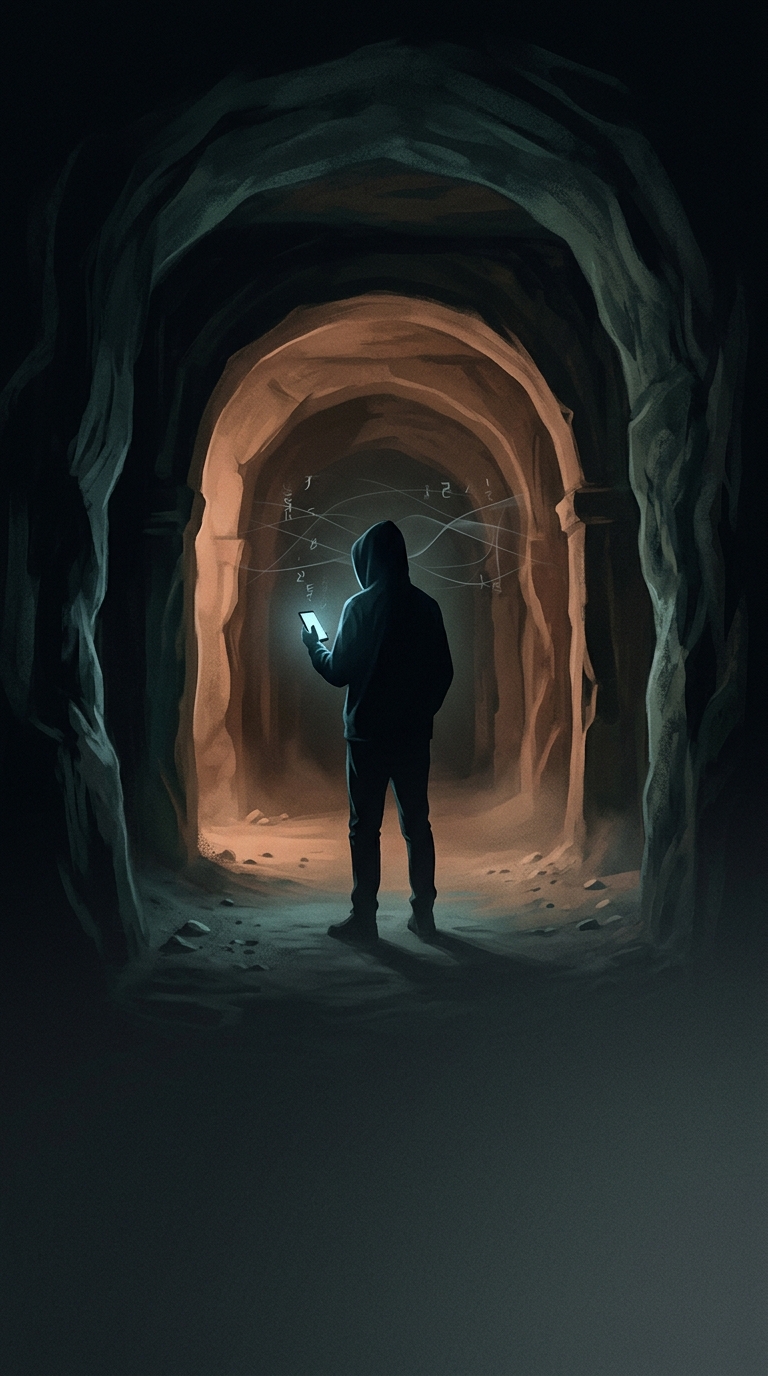
The public Catacombs are only a small, managed stretch of a much larger underground quarry network. Beyond the marked route, tunnels are closed to visitors. Entering them without authorization is trespassing—not a secret extension of the museum experience—and can bring police intervention and legal consequences.
That distinction matters because the ossuary, where the bones are arranged, is not the whole underground world. The surrounding quarry passages are difficult to navigate, and some connect to places far from the official entrance. A person who goes in can get lost, injured, or trapped, while rescuers may have to search a maze of unlit tunnels.
Why there is no neat “most illegal” answer
“Most illegal” is not an official category: the consequences depend on what someone does and where. But unauthorized access to the closed tunnels is the clearest answer to what visitors should not do. Damaging the site or disturbing human remains would cross an even more serious line, not turn the tunnels into a free-for-all.
The striking contrast is that the famous bone-lined route is carefully controlled, while much of the vast network around it is off-limits. The boundary is not just about keeping a tourist attraction orderly; it separates a supervised visit from entering an unstable, confusing underground space without permission.