Why a bottle’s size matters at airport security
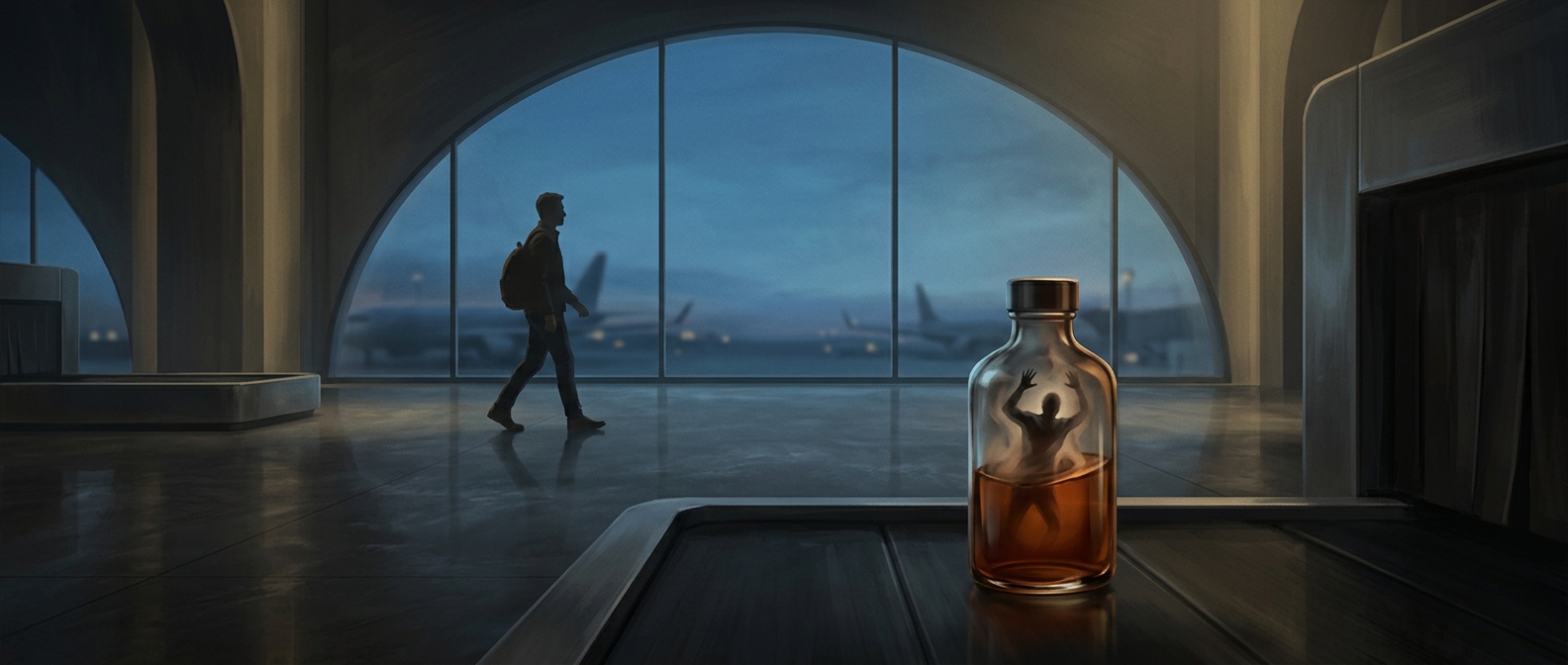
The 2006 plot changed how security treated an ordinary-looking carry-on item. Investigators said the suspects planned to use liquid explosives disguised in drink bottles. The difficulty for screeners was that a clear liquid in a familiar container can look much like a harmless drink, while determining what it is may require more than a quick visual check.
A simple limit addresses a hard screening problem
Many screening systems can reveal an object’s shape and some of its physical properties, but they cannot instantly identify every liquid’s chemical makeup. Checking each bottle individually with more specialized equipment would slow the line and still leave a difficult task: distinguishing dangerous substances from the enormous variety of harmless liquids travelers carry.
A limit on container size reduces how much of an unknown liquid can pass through in one container and makes carry-on screening more manageable. The rule applies to the container’s capacity, not just how much liquid remains inside; a nearly empty large bottle is still a large container. The familiar small bottles are therefore a compromise between letting travelers bring necessities and limiting what can be carried aboard without more scrutiny.
Why the restriction persists
The policy is a screening measure, not a claim that every large bottle is dangerous. Airport rules vary by country and can change as screening technology and procedures evolve, but restrictions remain a practical way to handle a threat that is hard to assess by sight alone. That is why a routine bottle of shampoo can be stopped even when nothing about it looks unusual.