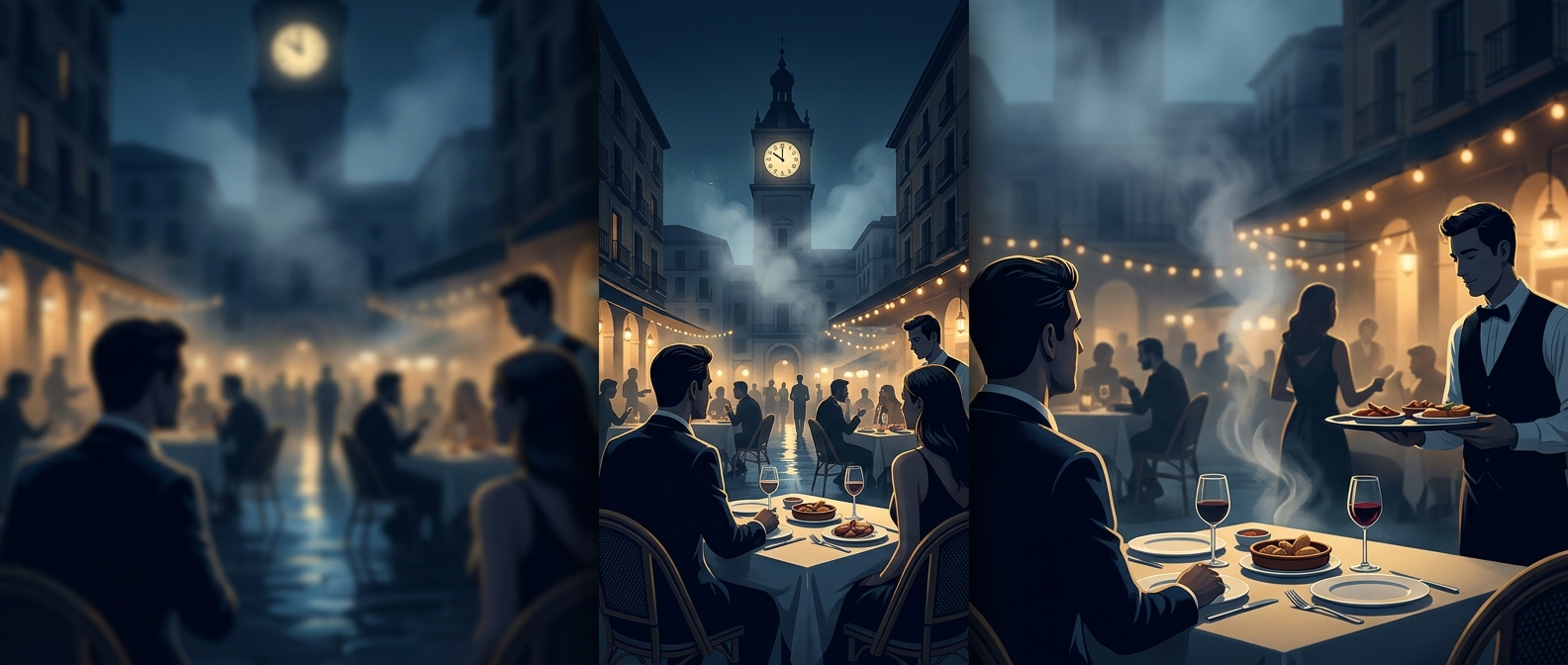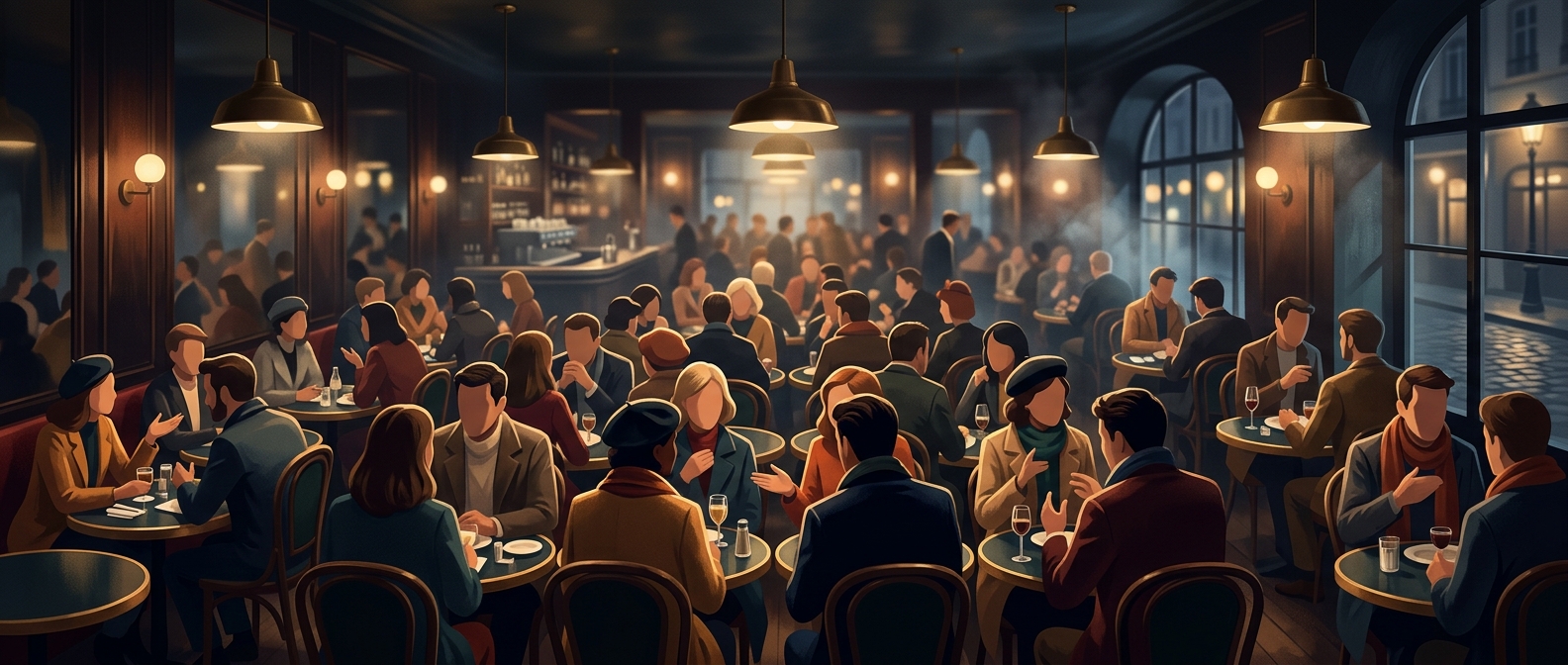
Shift work gave diners a reason to stay open
Factories and rail yards did not stop operating when most people went to bed. Workers finishing overnight shifts needed somewhere nearby to eat at hours when ordinary restaurants were closed. A diner with late-night service could meet that steady, predictable demand: one group arrived after a shift while another might be eating before starting one.
That schedule shaped the diner’s practical appeal. Its value was not only the food, but the chance to get a hot meal without waiting for daytime businesses to open. Near industrial workplaces and rail facilities, staying open late could make sense because customers were passing through at unusual hours every night.
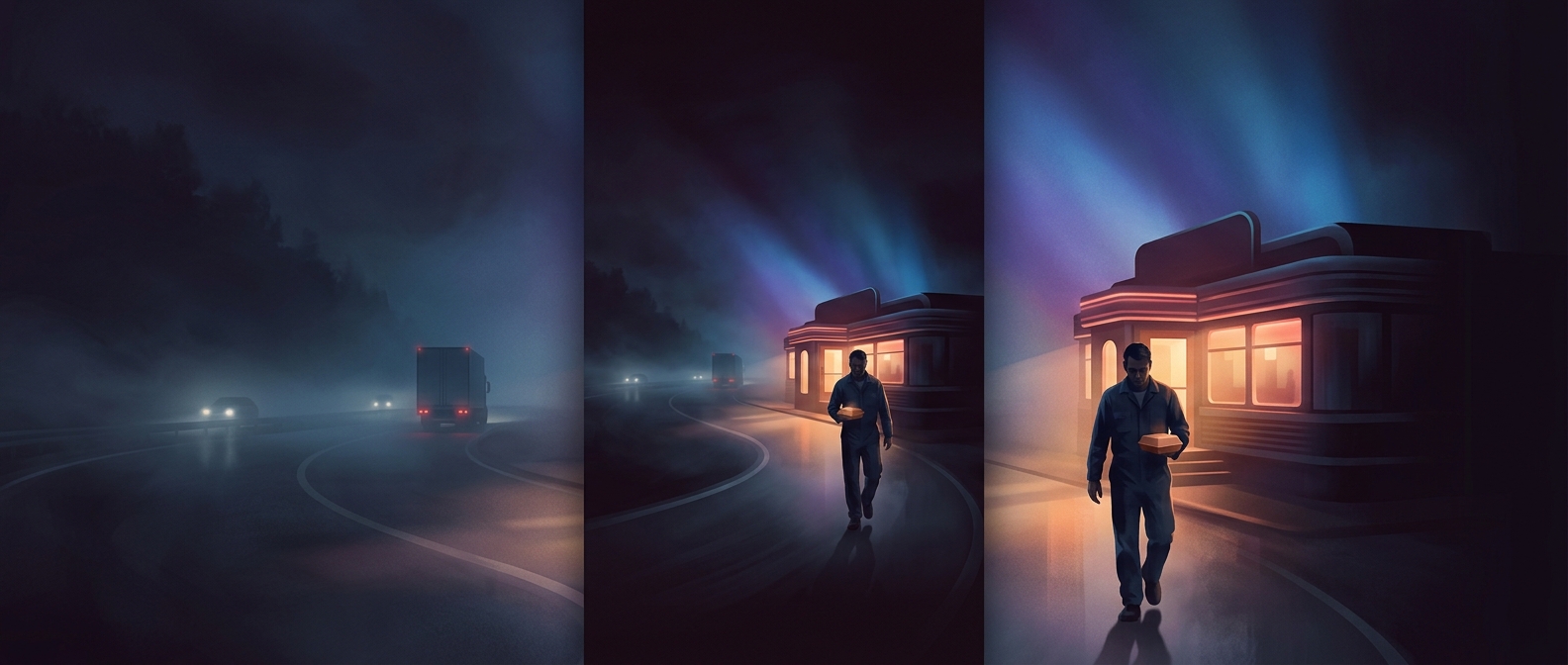
The same hours suited drivers
As long-distance car travel became more common among middle-class Americans, diners’ existing late-night availability offered a useful fit. A driver on the road did not necessarily arrive at lunchtime or even during conventional restaurant hours. A place already accustomed to serving people through the night could welcome travelers without having been built around them in the first place.
The audience widened from workers with a fixed shift to motorists moving through town. Diners’ appeal as travel stops grew out of an earlier answer to a local problem: where to eat when the rest of the town was asleep.