The invisible score behind Onyxia’s target choice
Onyxia did not simply attack whoever dealt the most damage in the last moment. Like other raid bosses in World of Warcraft, she tracked threat: a hidden score that rises when players damage her, heal allies, or use abilities designed to hold her attention. The player with the highest threat generally became her target.
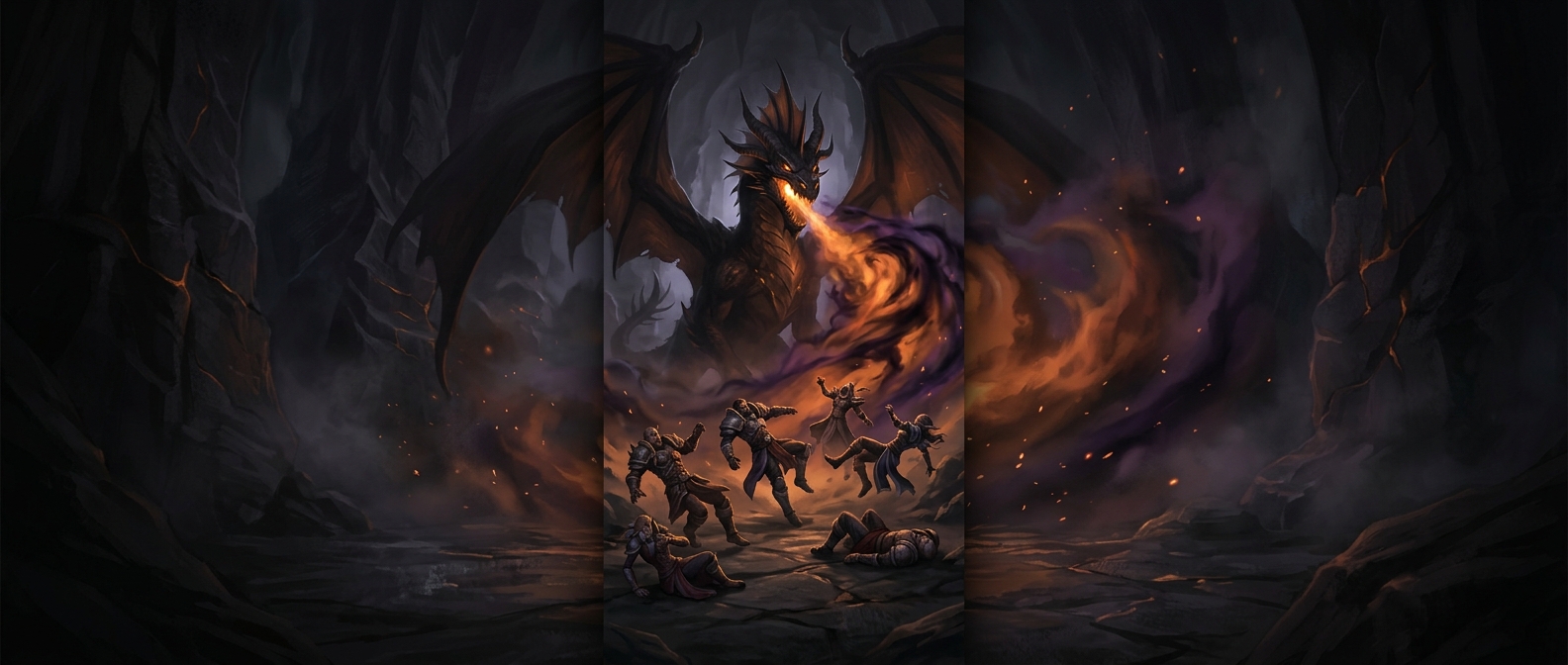
That made the tank’s job more than surviving blows. The tank had to build a lead, while damage dealers had to stay below it. If a powerful attack pushed a damage dealer past the tank, Onyxia could turn and strike a player who was far less able to withstand her attacks. One sudden change of target could scatter the group and start a wipeout.
Why the numbers changed how raids fought
Because players could not see a precise threat total, they learned to read the encounter indirectly. They watched the boss, paid attention to warnings and target changes, and coordinated when to unleash their strongest attacks. A damage dealer might pause briefly rather than risk overtaking the tank; healers, too, had to remember that healing could attract a boss’s attention.
The hidden meter turned damage into a team decision. The goal was not for every player to attack as fast as possible, but to keep the tank safely ahead while the raid dealt damage at a controlled pace. With Onyxia, that discipline mattered especially when a sudden target switch could send the dragon into the group. The raid’s success depended not just on how hard its members hit, but on knowing when to hold back.