Why a Champion’s Look Can Become a Purchase
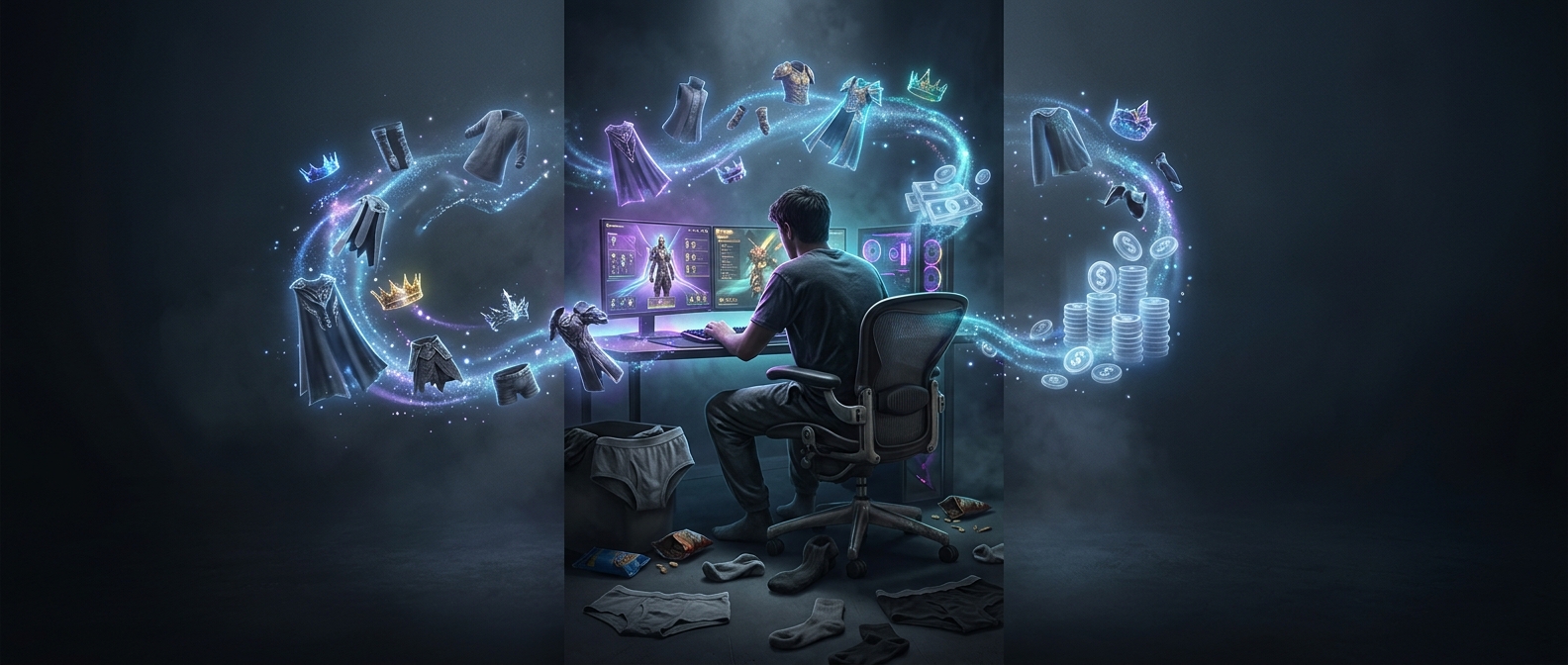
A skin turns a familiar game character into a form of self-expression. Players spend time learning a champion’s abilities and recognizing its movements; changing its outfit, effects, or animations can make that character feel more personal. Because matches are shared spaces, the choice is visible to teammates and opponents—not just to the person who bought it.
That visibility gives a cosmetic item value beyond its appearance. A skin can signal a player’s taste, enthusiasm for a champion, or preference for a particular visual style. The purchase is optional, but it can still feel meaningful when it changes how a player experiences a character they use often.
The Tradeoff Behind the Free Entry
This model separates access to the activity from customization within it. Players can join matches without paying for each one, while purchases appeal most to people who want to personalize their time in the game. That distinction lets a large group participate while revenue comes from the subset willing to spend on expression rather than admission.
It also shapes what developers have to sell: not a stronger chance of winning, but a fresh presentation of something players already care about. The commercial challenge is to make a cosmetic feel distinctive enough to want while keeping it optional. In a match, that means the purchase is both private—a player’s choice of look—and public, displayed every time that champion appears on screen.