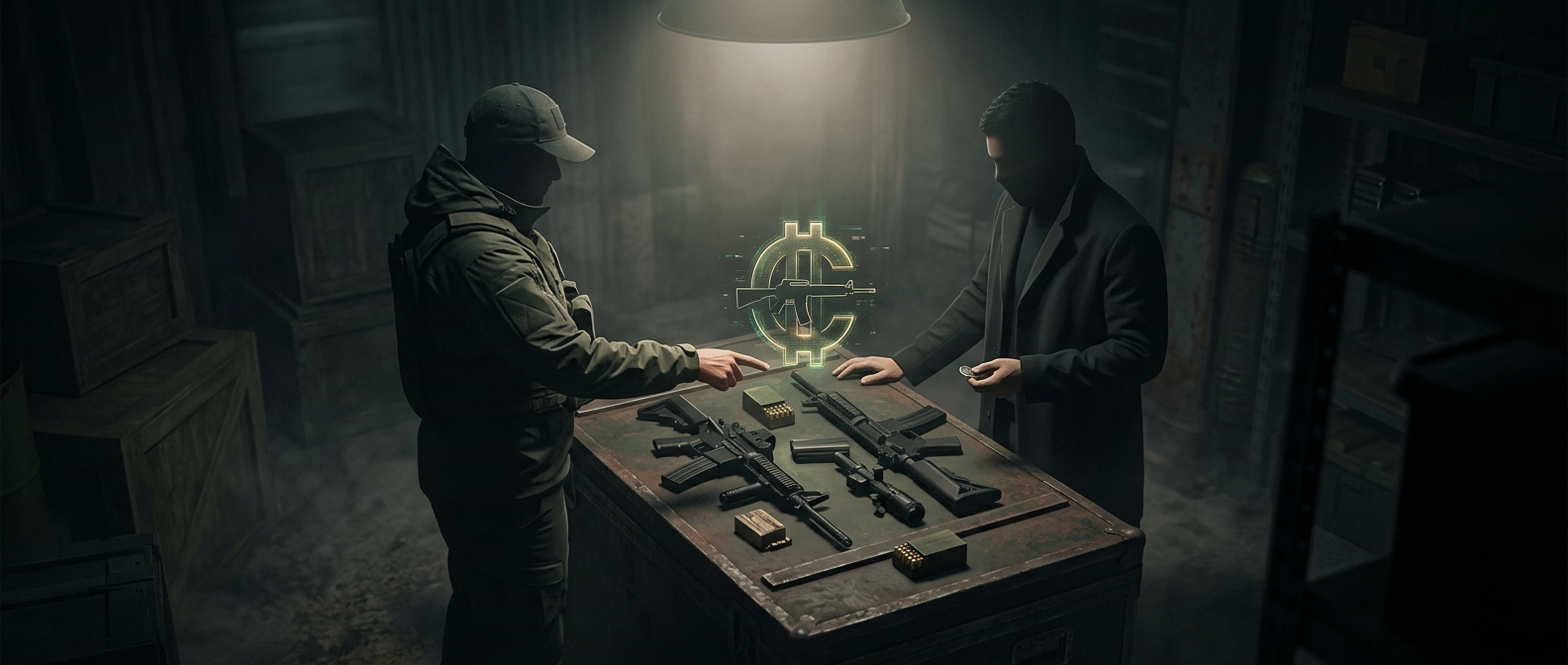
Making a Weapon’s Price Feel Plausible
A weapon’s price in a military game does more than put a number beside an item. It tells players whether the weapon is common, scarce, or difficult to obtain—and helps make the game’s world feel coherent. If an unregistered rocket-propelled grenade launcher costs about as much as ordinary equipment, the game’s economy may undercut the danger and illicitness it wants the weapon to suggest.
That is why, reportedly, Call of Duty’s Infinity Ward sought input from military contractors and black-market arms experts. The goal was not simply to attach a real-world price tag. It was to give the game’s weapons a more credible sense of relative value, especially when an item has no ordinary legal storefront price.
Expertise Meets Game Design
For a legal product, prices can be compared across familiar markets. Illicit weapons are different: their cost can depend on access, risk, and circumstances, so there is no single universal price that a game can copy. People familiar with military procurement or underground weapons trading can help developers judge what seems plausible and how one item should compare with another.
But a game still needs prices that work as game rules. A number can shape what players choose, how quickly they acquire powerful gear, and whether an item feels like a practical tool or a costly specialty. Consultation provides a reality check; the final economy must still serve the game. The result is a small but telling design choice: even a price can help make a fictional arsenal feel grounded without reproducing a real market exactly.