When a balance becomes something to protect
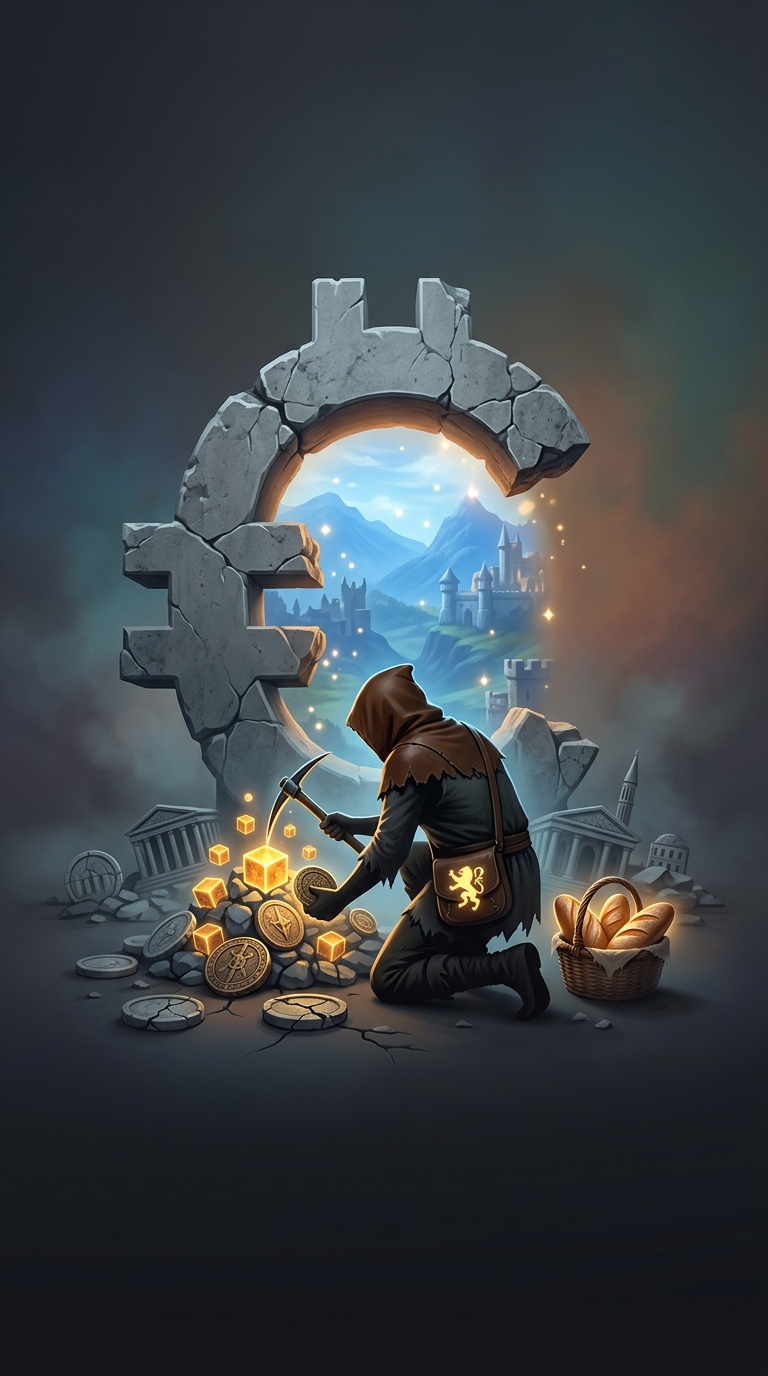
A death penalty changes what game currency means. If coins stay safely in a menu, they are simply a score or spending total. If they can be lost in the world, they become value at risk: carrying more may unlock a useful purchase, but it also makes a failed encounter more costly.
That turns ordinary choices into small financial decisions. A player might spend some currency before entering a hazardous area, take a safer route, or postpone an optional fight. The game has made caution relevant without needing a lecture about budgeting; the possible loss is attached directly to the player’s next move.
Why recovery creates a second decision
When the lost currency can be reclaimed, failure is not always a clean subtraction. It creates a new objective: return to the place of death, often while facing the same danger that caused the loss. The player must decide whether the pile is worth another attempt—or whether pursuing it could lead to losing more.
That recovery run gives the penalty its tension. A small loss may be easy to abandon; a large one can tempt a player into a risky detour. Spending some money beforehand can reduce what is exposed, while saving everything can make a setback sting more.
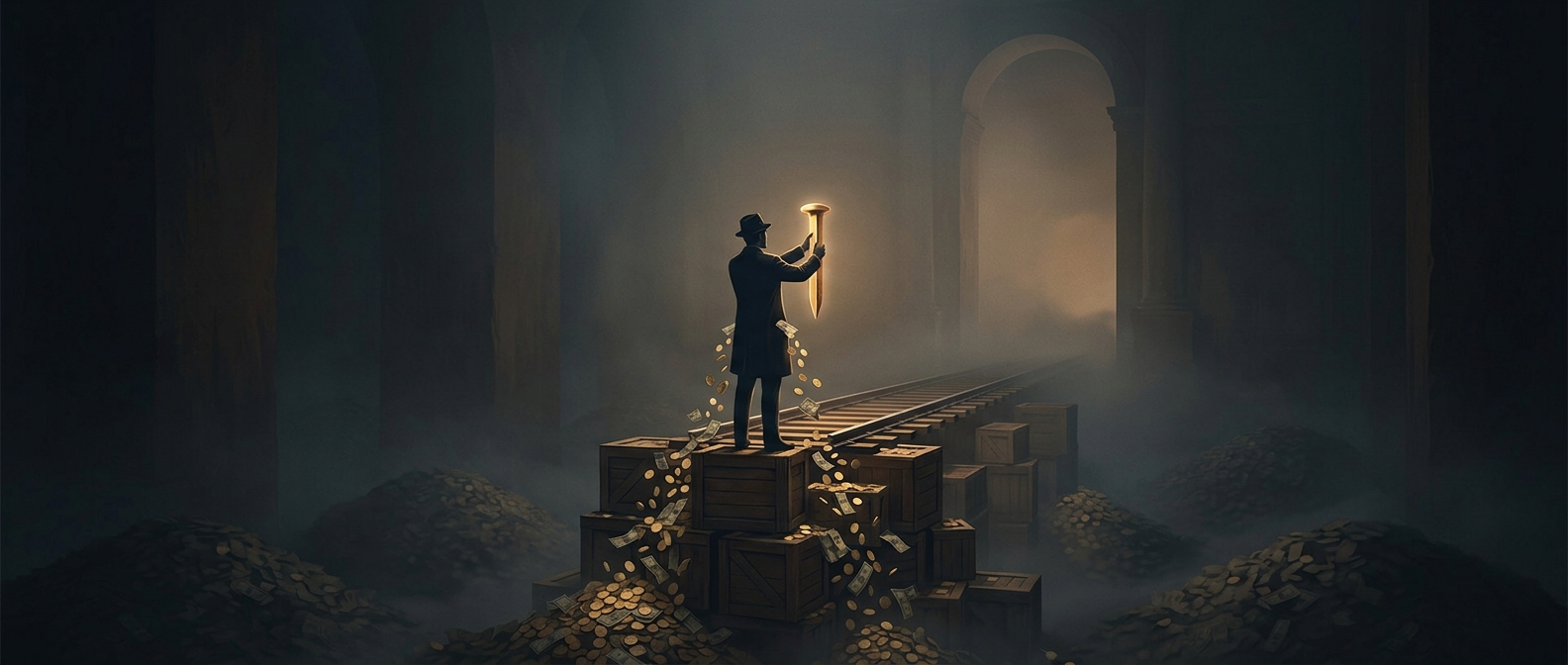
The lesson is about managing risk in the game, not proof that a player will become more careful with real money. But the design makes a financial tradeoff tangible: keep resources available for later, or use them now so a single mistake cannot put the whole balance on the line.