A constellation is not a zodiac sign
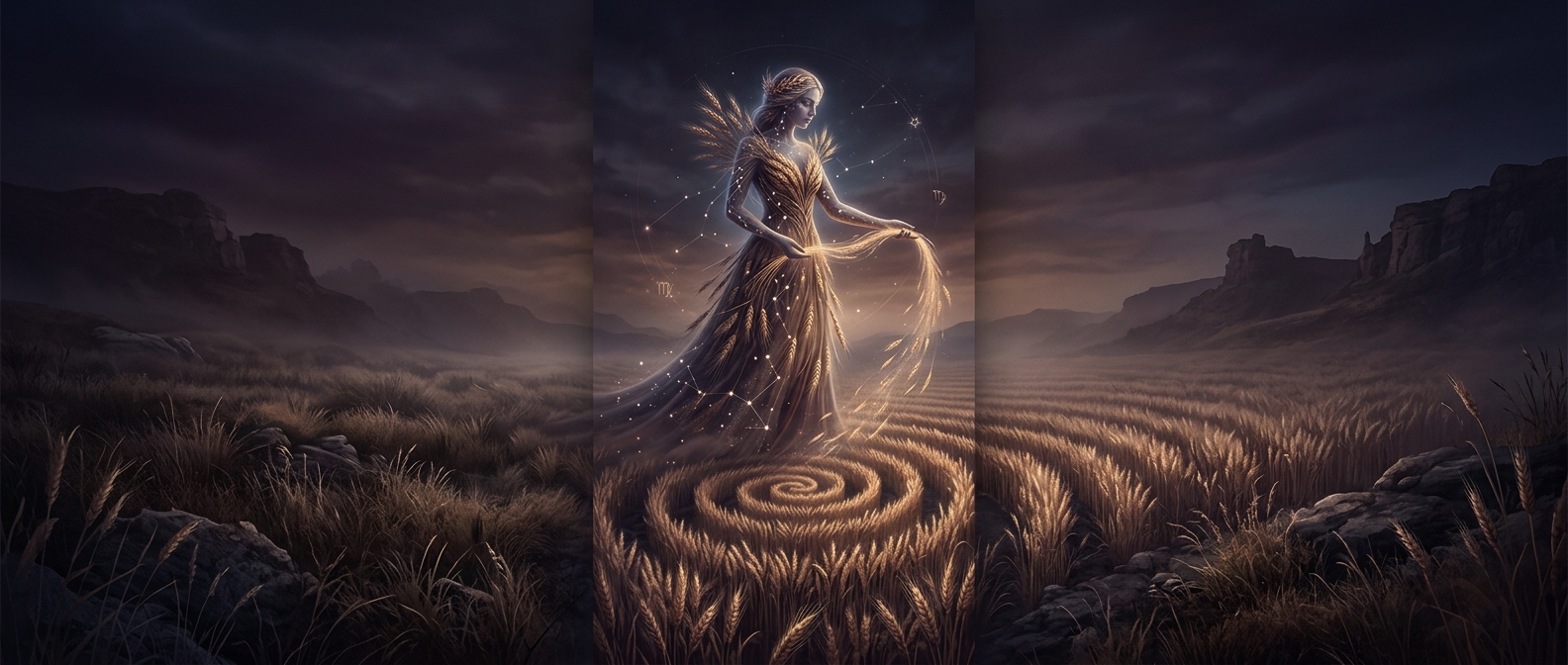
Virgo names two different things. In astronomy, it is a constellation: a region of the sky with officially mapped boundaries. Along the Sun’s apparent yearly path, that region stretches across roughly 45 degrees of celestial longitude. The figure depends on measuring the constellation along that path; it does not mean Virgo is a neat 45-degree wedge in every direction.
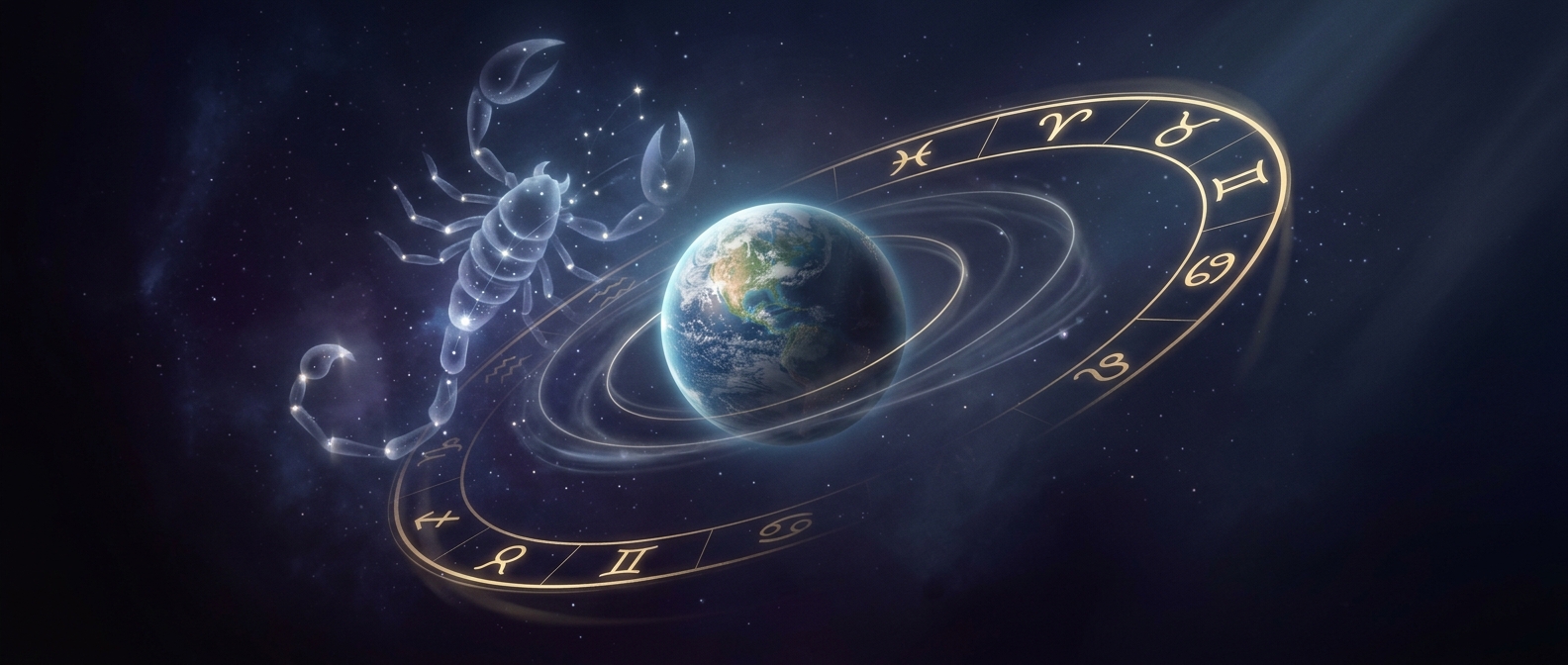
In the tropical astrology used by many modern Western astrologers, Virgo is instead one of twelve equal divisions of the zodiac. Each sign occupies exactly 30 degrees, and Virgo runs from 150 to 180 degrees of zodiacal longitude. Those divisions are measured from the Sun’s position at the spring equinox, not drawn around the visible constellation boundaries.
Why the two Virgos drift apart
The equal signs come from dividing a 360-degree circle into twelve parts. The constellations do not follow that geometry: their mapped regions vary in size, and the Sun crosses some for longer than others. Earth’s slow wobble also shifts the relationship between the seasonal zodiac and the background stars over centuries. As a result, the tropical sign called Virgo does not simply trace the constellation Virgo in the sky.
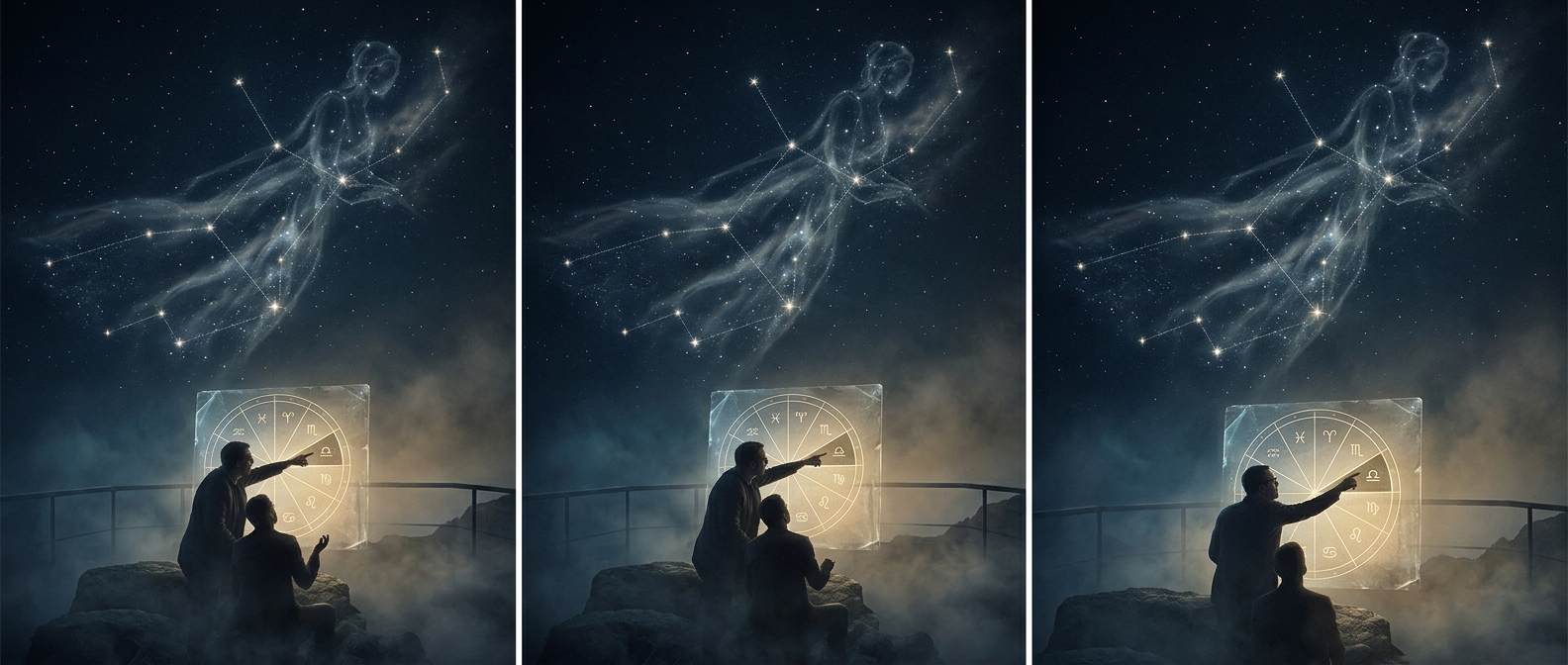
That distinction matters when comparing astrology’s sign dates with the Sun’s actual position among the constellations. They answer different questions: one identifies an equal sector in a zodiac system; the other identifies a region of the starry sky. A 30-degree astrological Virgo and a roughly 45-degree astronomical Virgo can therefore coexist without being the same-sized object.