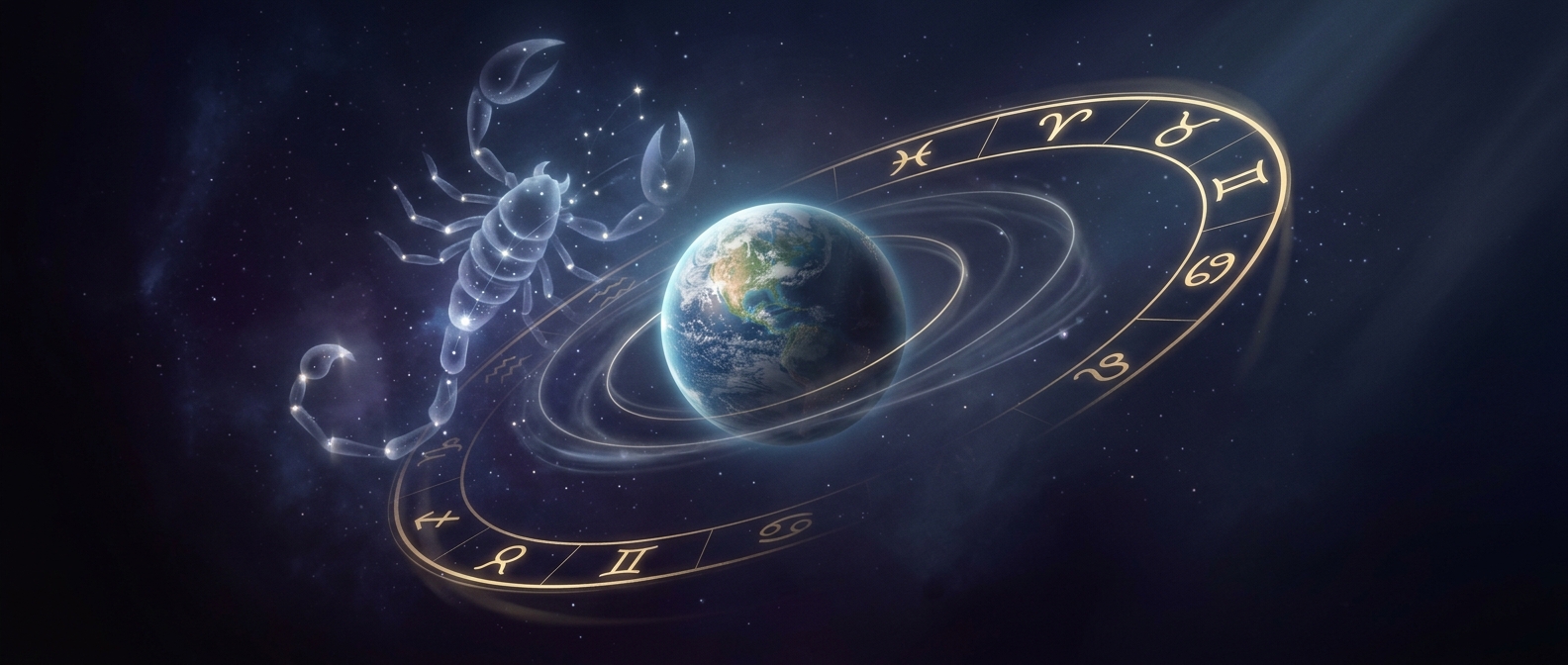
Why the zodiac’s star background shifts
Earth spins like a top, but its axis slowly traces a circle in the sky. The main cause is the gravitational pull of the Sun and Moon on Earth’s equatorial bulge. This motion, called axial precession, changes which distant stars appear behind the Sun at a given point in the yearly cycle.
The shift is gradual: a full cycle takes roughly 26,000 years. Over the millennia since ancient astronomers organized the zodiac, the Sun’s position against the constellations has moved by close to one 30-degree zodiac division.
Signs and constellations are not the same thing
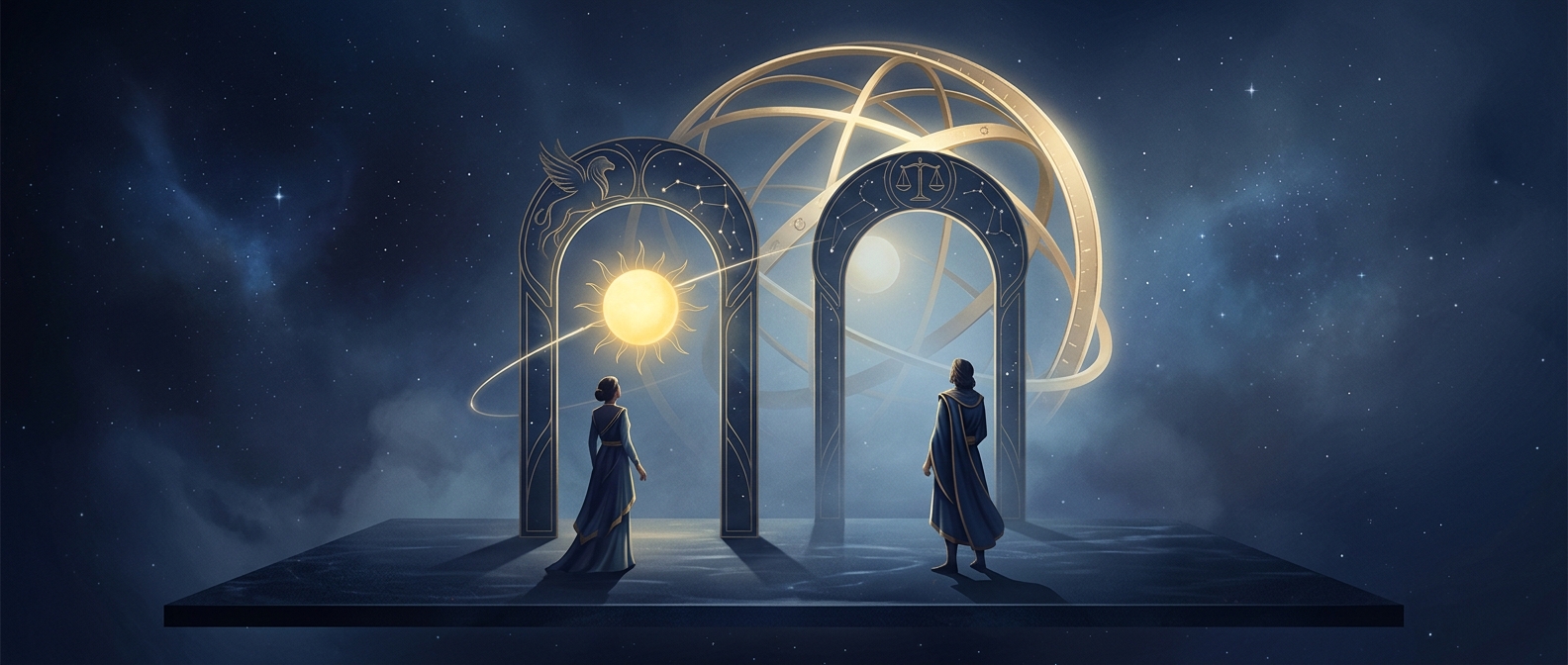
A zodiac sign is a named segment of the sky; a constellation is a star pattern whose boundaries and size are uneven. In Western tropical astrology, the twelve signs are equal 30-degree sections anchored to the seasons, with Aries beginning at the spring equinox. They do not slide along with the constellations as precession proceeds.
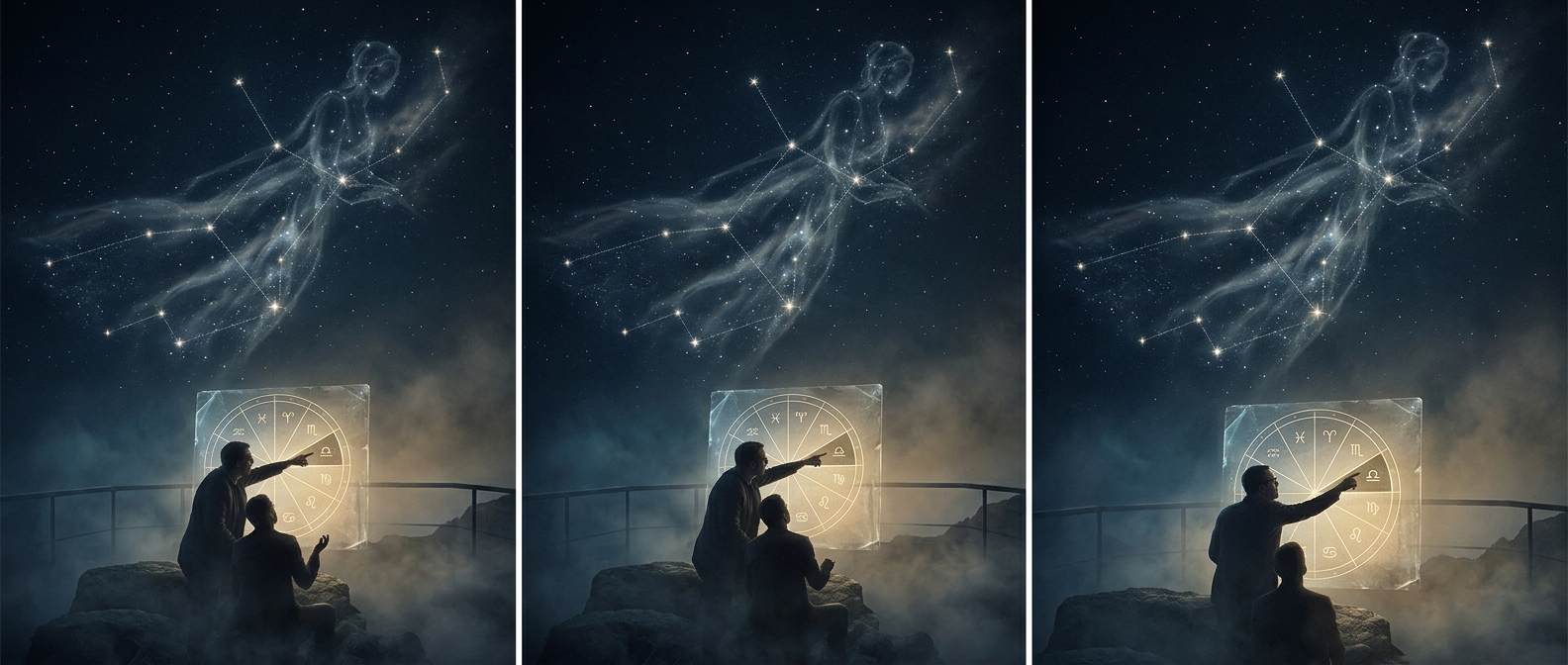
That means a sign can retain its traditional seasonal meaning while the constellation bearing the same name lies elsewhere along the Sun’s apparent path. The mismatch is real as an astronomical comparison, but “off by a constellation” is a shorthand: the constellations are not equal-sized slots, and a sign does not map neatly onto one of them.
What the mismatch changes
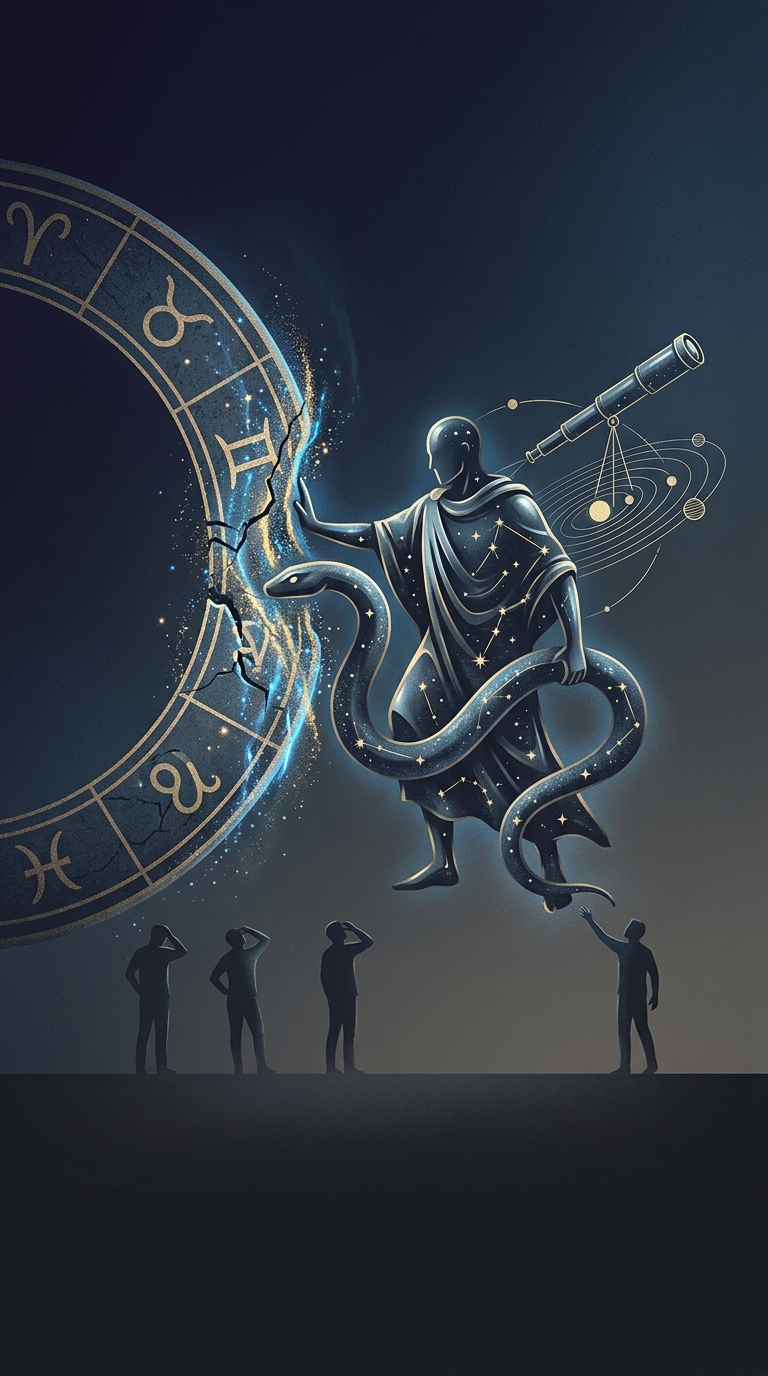
If you compare a Western tropical sign with the constellation currently behind the Sun at birth, the two labels may differ. Some astrological traditions account for the shifting star background differently, while tropical astrology keeps its signs tied to the seasonal calendar. The practical consequence is that “your sign” depends on whether the system is naming a seasonal division or referring to the constellations themselves.