Why the Age of Aquarius Has No Calendar Date
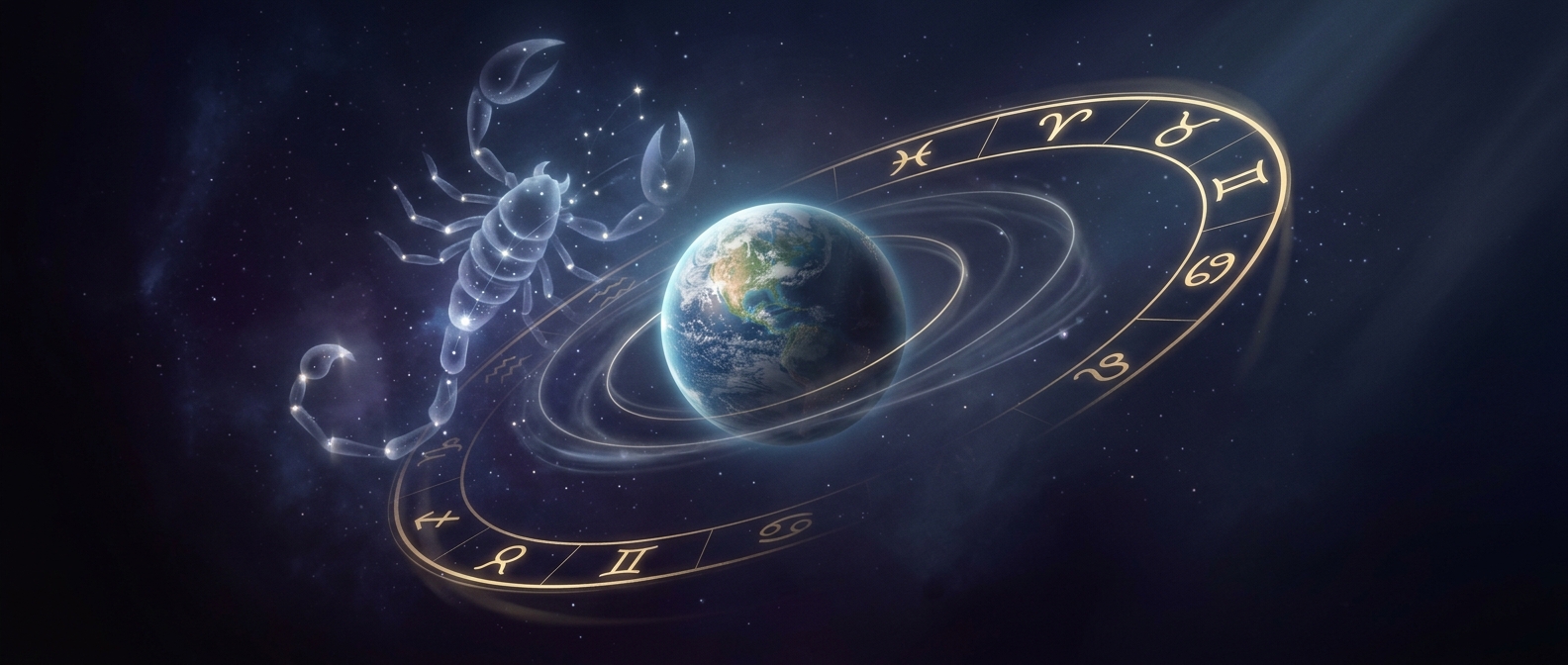
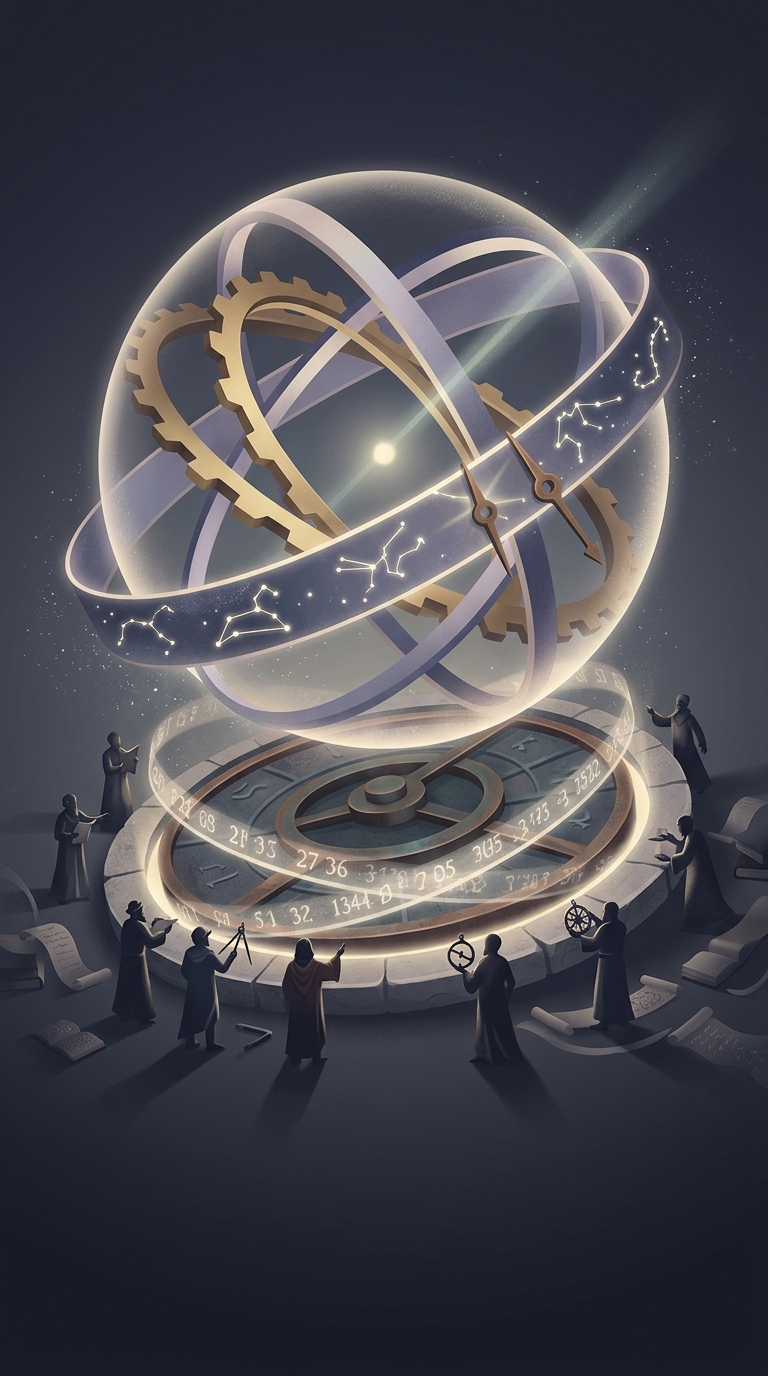
Earth’s axis does not point in exactly the same direction forever. Like a slowly turning top, it traces a circle in the sky, completing one wobble in roughly 25,800 years. This motion, called precession, gradually shifts the stars that appear behind the Sun at the spring equinox—the moment each year when day and night are nearly equal in length.
Astrologers use that slow shift to describe astrological ages: long eras associated with the zodiac constellation said to lie behind the Sun at the equinox. But the sky does not divide itself into neat, equally sized zodiac sections. The constellations have irregular boundaries, and astrologers do not all use the same system for deciding where one age ends and another begins.
One Cycle, Several Ways to Mark the Start
That leaves a crucial choice: should the Age of Aquarius begin when the equinox point crosses a particular boundary, when it enters a chosen zodiac division, or when Aquarius becomes prominent in some broader symbolic sense? Different answers produce very different dates. Estimates ranging from 1447 to 3597 reflect competing definitions, not a single astronomical date that experts have measured and disputed.
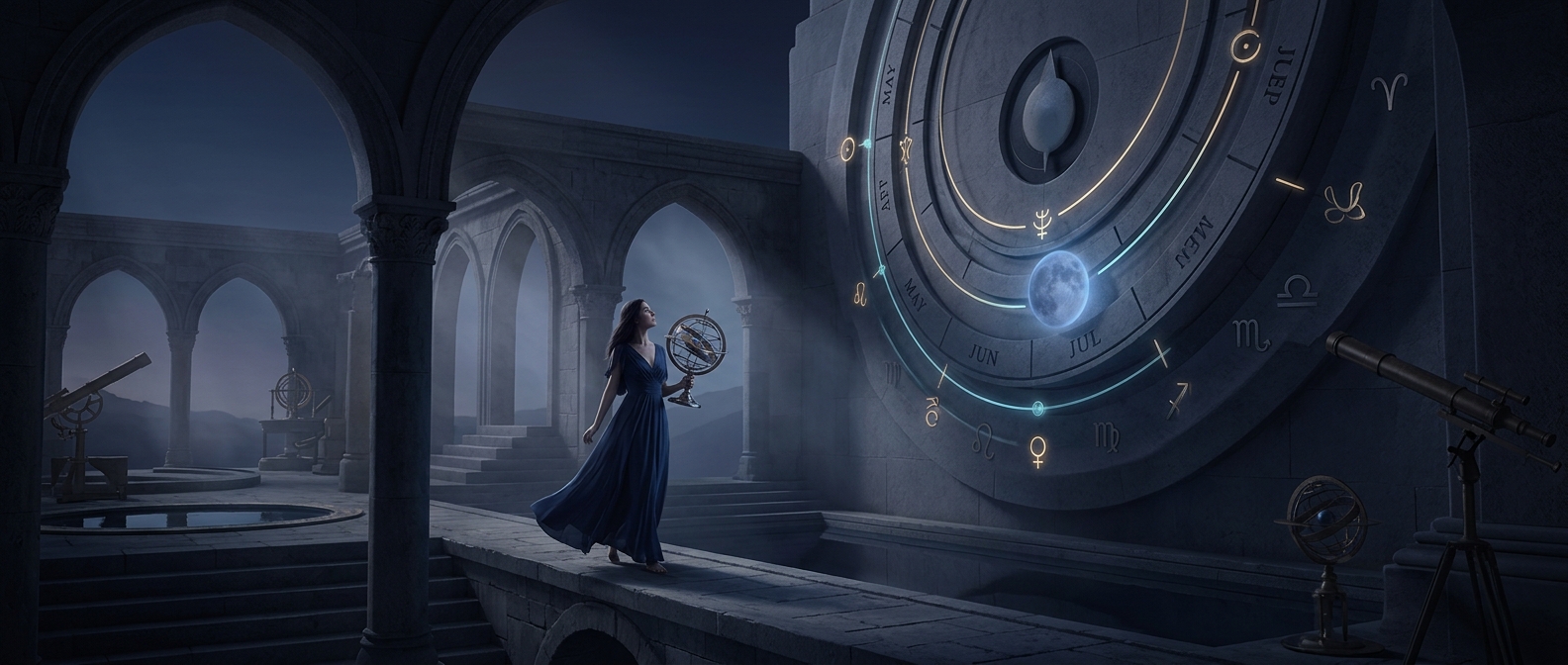
Astronomy can track the changing orientation of Earth’s axis and the Sun’s apparent position against the stars. It cannot identify an astrological age as a physical event or confirm the spiritual qualities attributed to one. Those meanings come from interpretive traditions, whose boundaries are not fixed by the motion of the planets alone.
The result is a striking mismatch: a slow, measurable celestial cycle supplies the backdrop, but no shared rule turns it into a universally accepted starting date. So the Age of Aquarius can be treated as a symbol of transition without anyone being able to point to one agreed-upon year when the transition began.