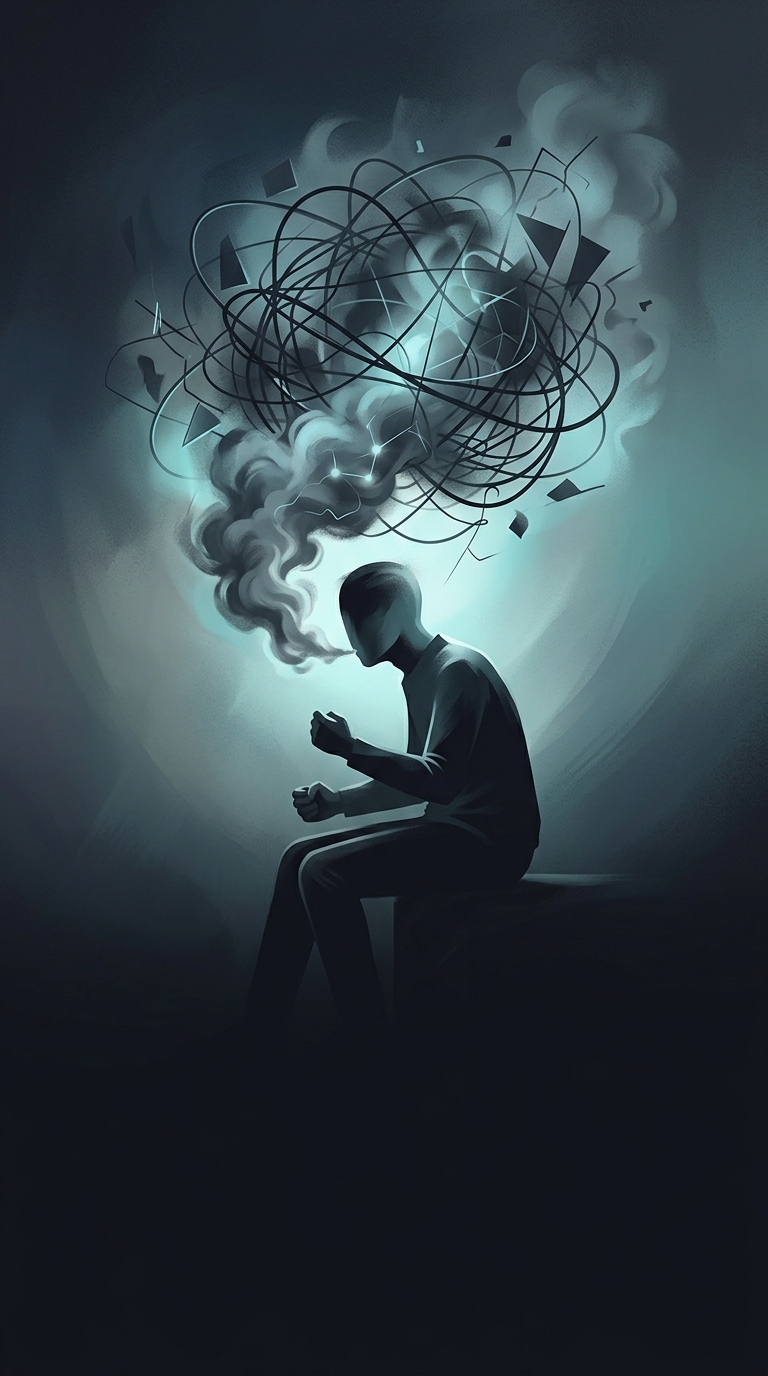
How nicotine can turn a vape into a cycle of anxiety
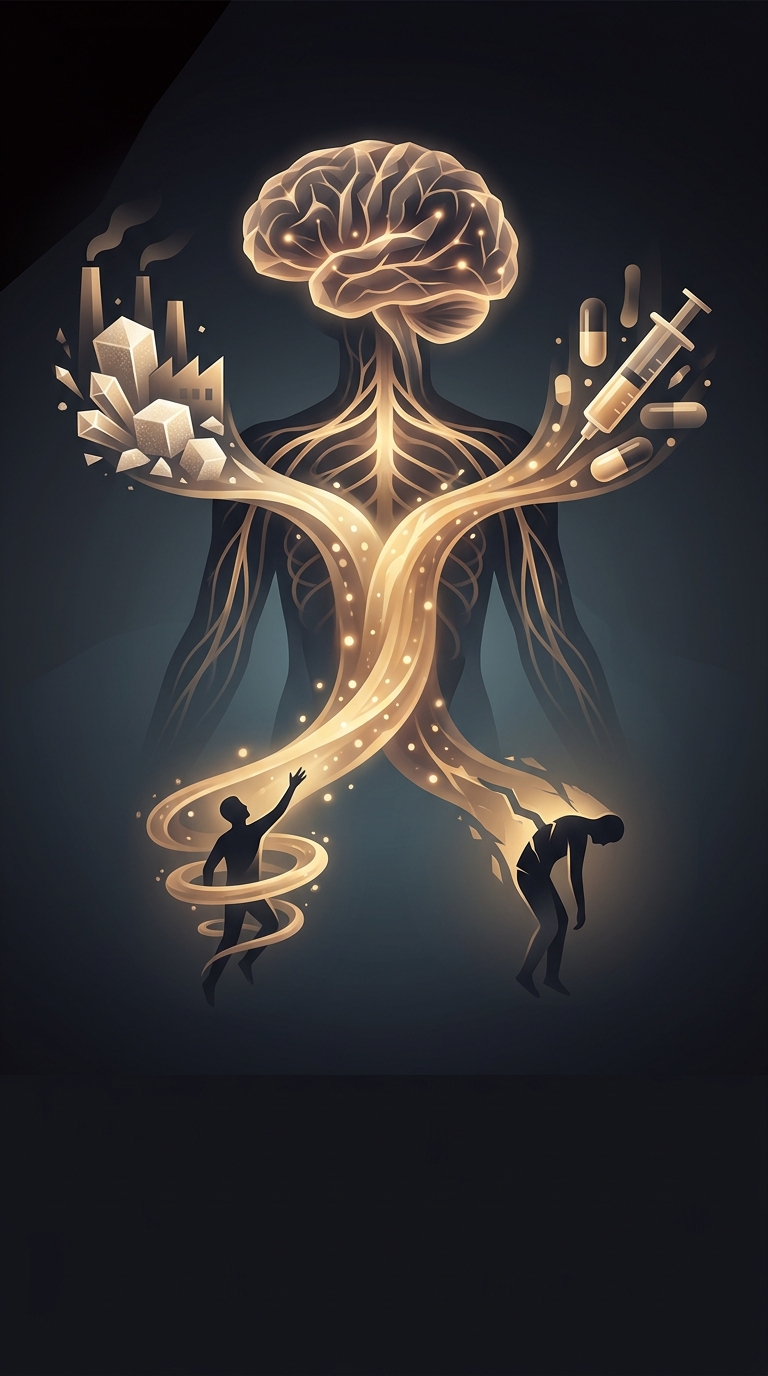
The psychological effect most clearly tied to nicotine vaping is dependence: the brain adapts to repeated nicotine and begins to expect it. Many vape liquids deliver nicotine, sometimes in forms that make inhalation feel smoother, so a person may take frequent puffs without noticing how much they are using.
Why the next puff can feel like relief
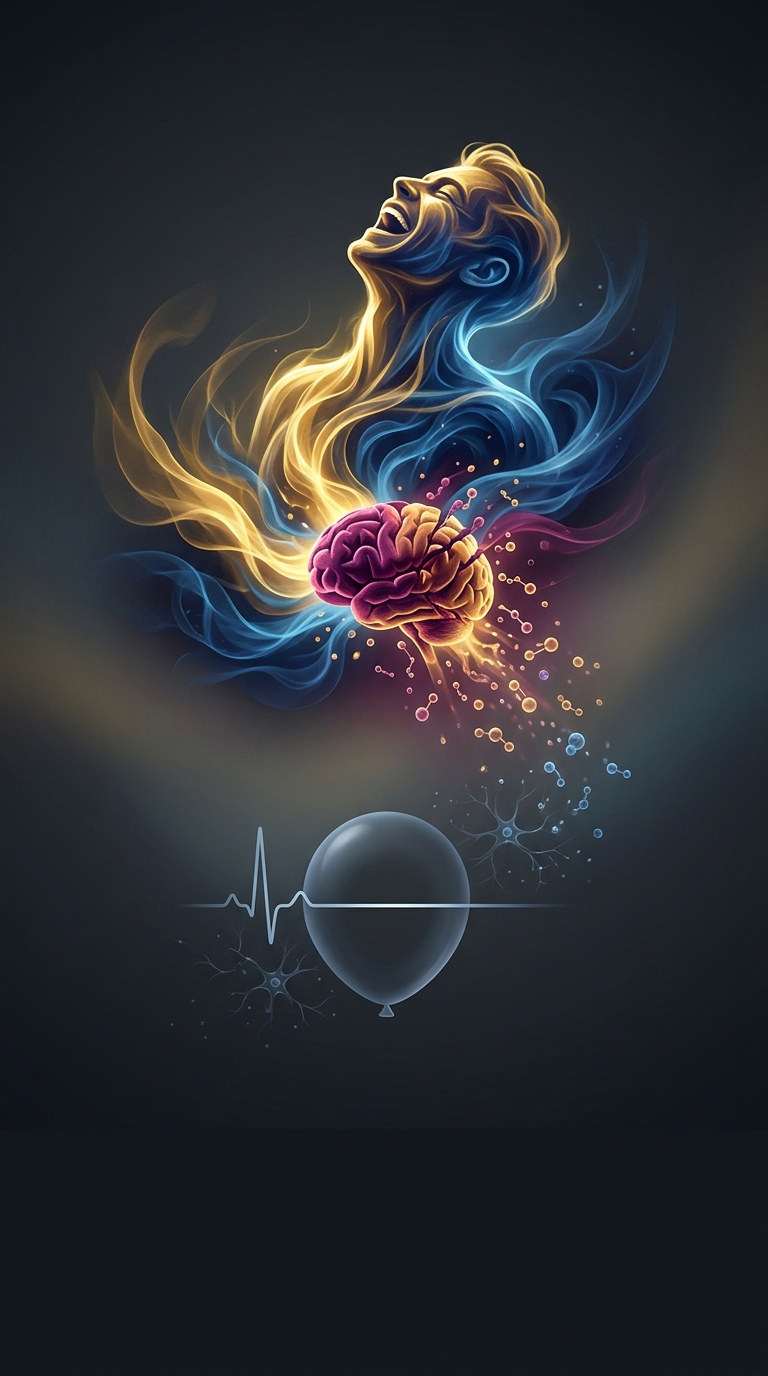
Nicotine briefly changes brain signaling in ways that can feel stimulating or rewarding. As its level falls, a dependent user may become irritable, restless, anxious, or unable to concentrate. Vaping can ease those withdrawal feelings for a while, which makes the urge to vape return—and can make ordinary tension feel as if it is caused by needing another puff.
That loop can be frightening, especially when someone does not realize that the relief is temporary. It can also make quitting harder: stopping nicotine may bring withdrawal symptoms before they gradually ease. The intensity varies from person to person, and anxiety can have other causes, but nicotine dependence can both produce distress and reinforce continued use.
The practical consequence
A device that is easy to use throughout the day can make repeated nicotine exposure less noticeable. The key distinction is between feeling calmer after vaping and being free of anxiety: for a dependent user, that calm may simply be short-lived relief from nicotine withdrawal.