Escape Rooms Came From a Screen, Not a Pub Basement
The tale of European pubs locking up tourists until they solved puzzles makes a memorable origin story, but it is not a reliable account of how escape rooms began. The better-documented lineage runs through “escape-the-room” computer games: players searched illustrated rooms for clues, combined objects, and worked out how to open a virtual exit.
Turning Point-and-Click Puzzles Into a Place
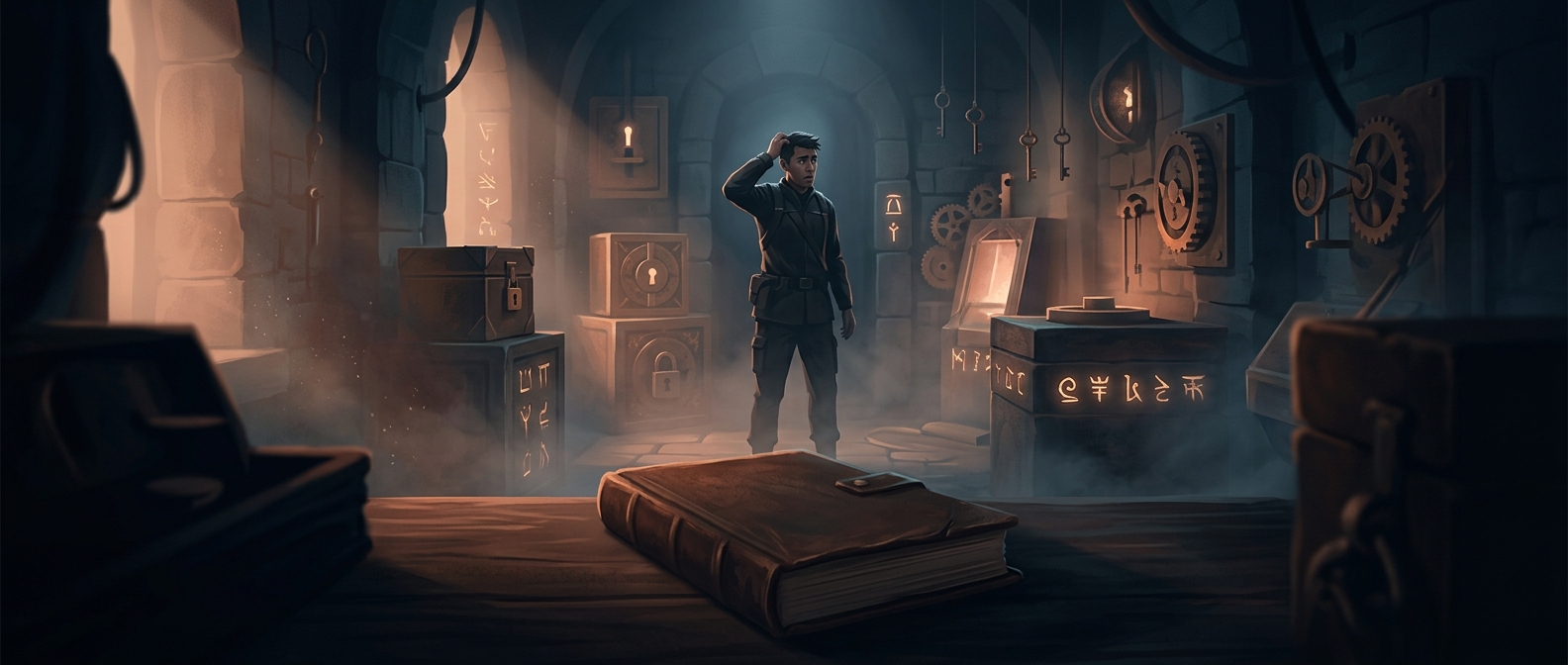
Live escape rooms brought that familiar screen-based logic into physical space. Instead of clicking on a drawer, players had to notice it in a real room; instead of collecting a key on-screen, they might find a physical one hidden among props. The basic design challenge was to make a sequence of clues feel discoverable without making the solution obvious.
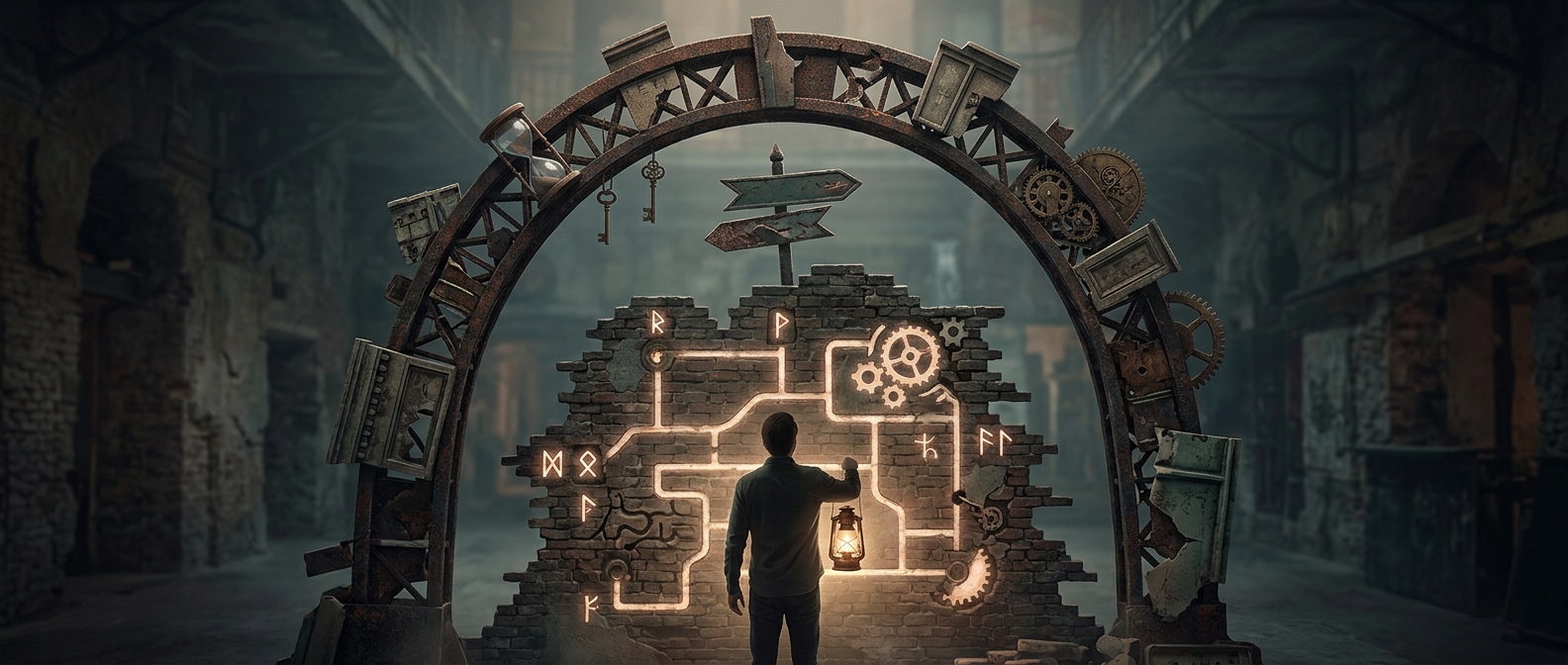
That shift changed the experience from solitary trial-and-error into a shared activity. Groups could divide up—one person searching, another testing a code, someone else connecting clues—and then compare what they had found. The room itself became part of the puzzle, while a time limit gave the group a reason to coordinate.
Why the Pub Legend Sticks
The pub version has the shape of a good joke: a familiar social setting, an absurd penalty, and an ingenious way to earn back a drink. It also resembles the modern escape room’s central promise—solve the problem together to get out. But the resemblance is not evidence of a historical origin. The real transformation was simpler and more consequential: puzzles once played on a screen became environments people could enter, search, and solve side by side.