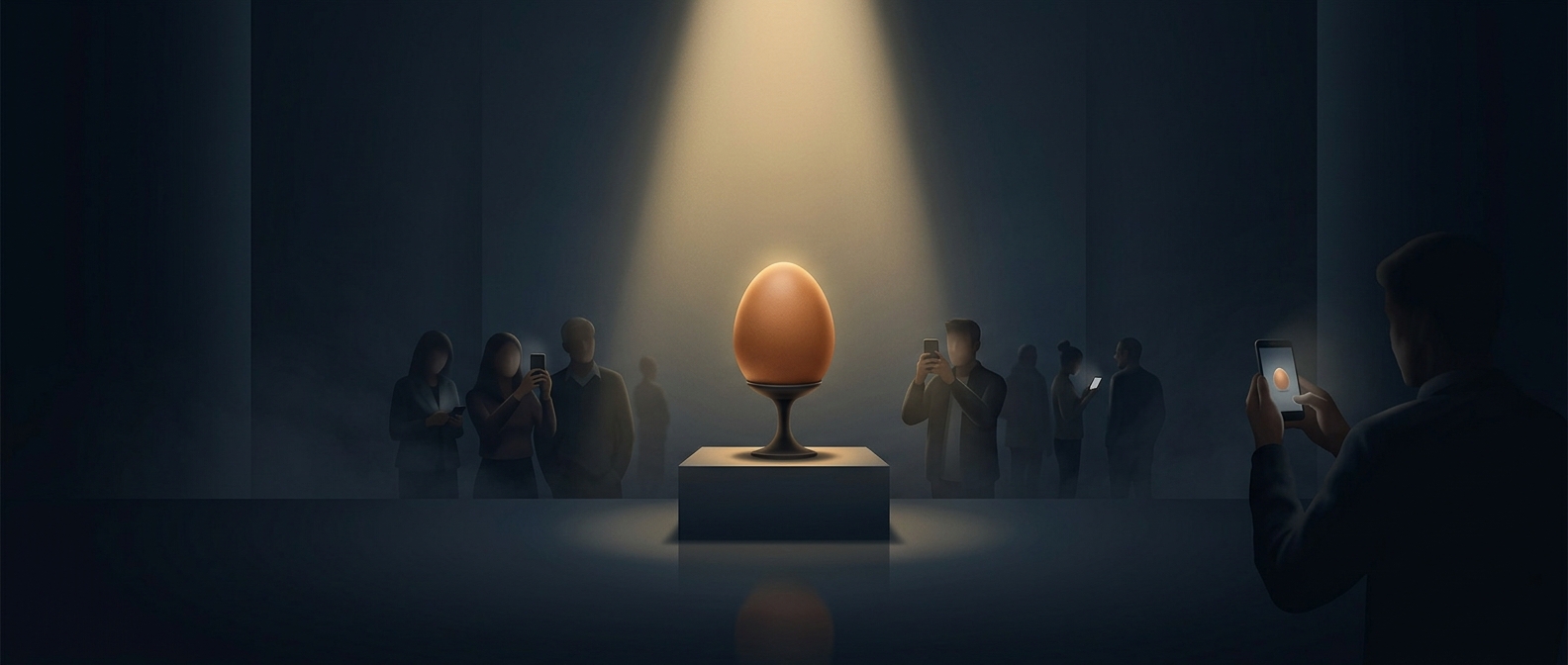
The check-in app that narrowed its focus
Burbn was more than a place to record a drink. It combined location check-ins with plans and social features, including sharing photos of what users were doing. That broad feature set made the app harder to use—and harder to explain—than a single-purpose service.
Its creators, Kevin Systrom and Mike Krieger, noticed that photo sharing was the part people especially liked. Rather than keep adding functions, they chose to build around that stronger signal and strip the experience back. The whiskey check-in was an early example of Burbn’s social, location-based idea; it was not the feature that defined the product they ultimately made.
Why photos became the product
The redesign centered on taking a photo, enhancing it with a filter, and sharing it. Filters helped make pictures from phone cameras look more distinctive, lowering the effort required to post an image someone wanted others to see. Location and social connections could still enrich a post, but they no longer competed with a long list of app features for attention.
That change turned a general-purpose check-in app into Instagram, which launched in 2010. The important shift was not simply from whiskey to pictures: it was from asking users to do many different things to making one action—sharing a photo—quick and compelling. Instagram grew out of a decision to remove features, not pile them on.