Why a small installment can feel smaller than a purchase
A payment plan changes what the shopper sees at the decision point. Instead of comparing the full price with the money available now, the shopper compares one installment with a paycheck or a monthly budget. The total cost has not shrunk; it has been divided across time. That can make an item seem affordable even when several similar commitments would not be.
The calendar is the hidden constraint
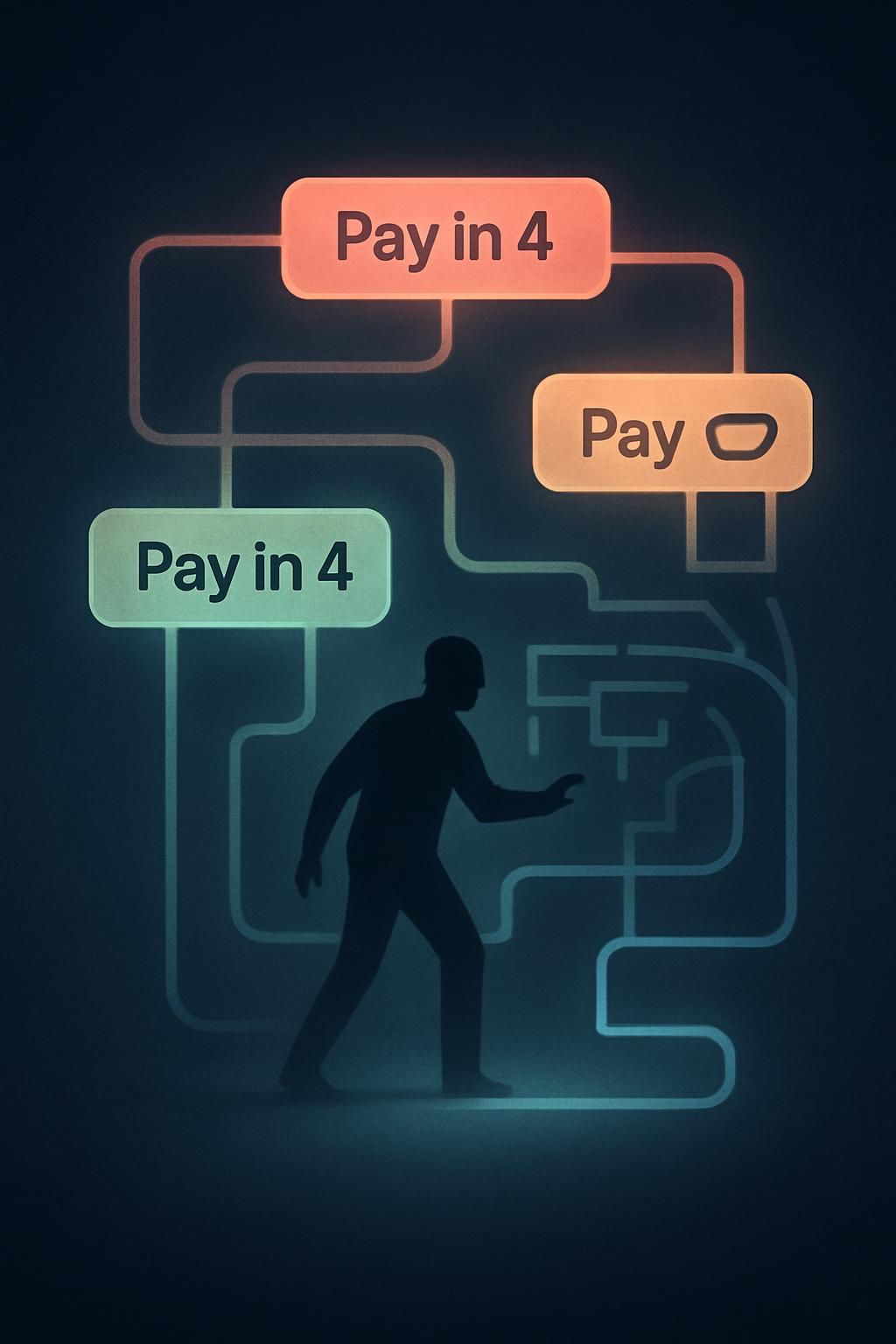
Each plan has its own schedule. A shopper may remember the amount due on one order but overlook how it lands alongside rent, utilities, subscriptions, and installments from other stores. The strain comes not just from the total owed, but from how many obligations arrive in the same stretch of days. Automatic withdrawals make payment convenient, yet they can also make the timing less visible until money leaves the account.
This is why tracking each purchase separately can give a misleading sense of control. The useful question is not only “Can I cover this installment?” but “What else will be withdrawn before my next income arrives?” A running list of remaining payments and due dates makes the combined schedule easier to see.
Why stores offer the option
For retailers, installments can lower the amount a customer must pay immediately, which may make a purchase more likely. Payment providers handle the plan and may charge the retailer for the service; depending on the arrangement, they may also collect fees from customers who miss payments. The convenience can benefit both the shopper at checkout and the seller making a sale, while leaving the shopper responsible for fitting every scheduled payment into a real-world budget.
The practical test is to add the future installments to the bills already on the calendar. If the purchase only works when each plan is considered alone, the checkout screen is showing a partial picture.