The iPod was more than a small hard drive
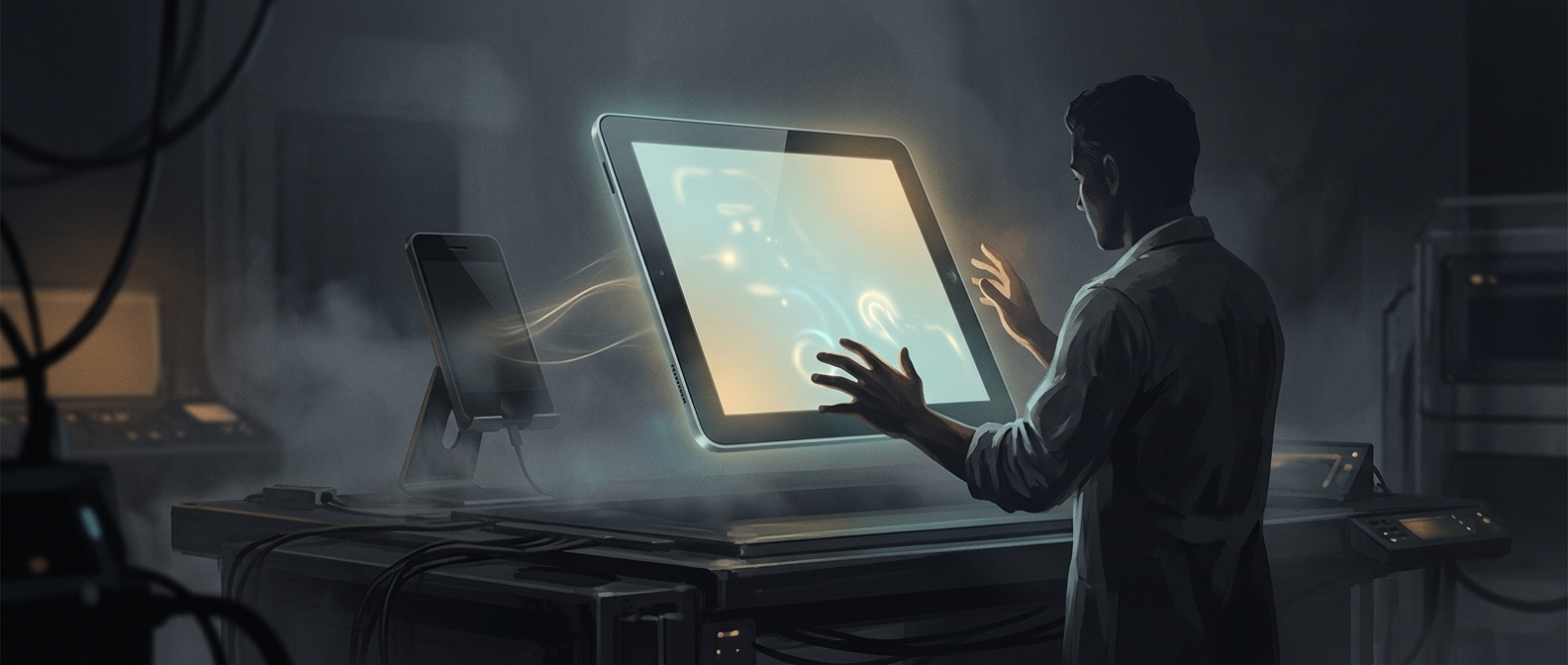
A portable music player could hold digital songs, but that alone did not make it easy to use. Listeners also needed a way to get music onto the device, find a track, and manage a growing collection. Fadell’s proposal made sense as a connected product: the player would work with computer software rather than stand alone.
That distinction helps explain why Apple’s role mattered. Steve Jobs paired the hardware idea with iTunes, which gave users a place to organize music on a computer and sync it to the player. Instead of treating music transfer as a technical chore, the design made it part of one routine: build a library, connect the iPod, and take selected songs along.
The software completed the product
The pairing also gave Apple a way to shape the experience beyond the device itself. A clean interface on the player would be less useful if loading it were confusing; music software would be less compelling if there were no convenient portable destination for the library. Each side made the other more valuable.
That joined-up approach became a defining part of the iPod’s appeal—and a strategic advantage. Apple could guide how customers moved between their computer and player, rather than relying on separate companies to make compatible pieces work smoothly. The consequential decision was not simply to build another music gadget. It was to make listening portable by designing the device and the music-management process as one product.