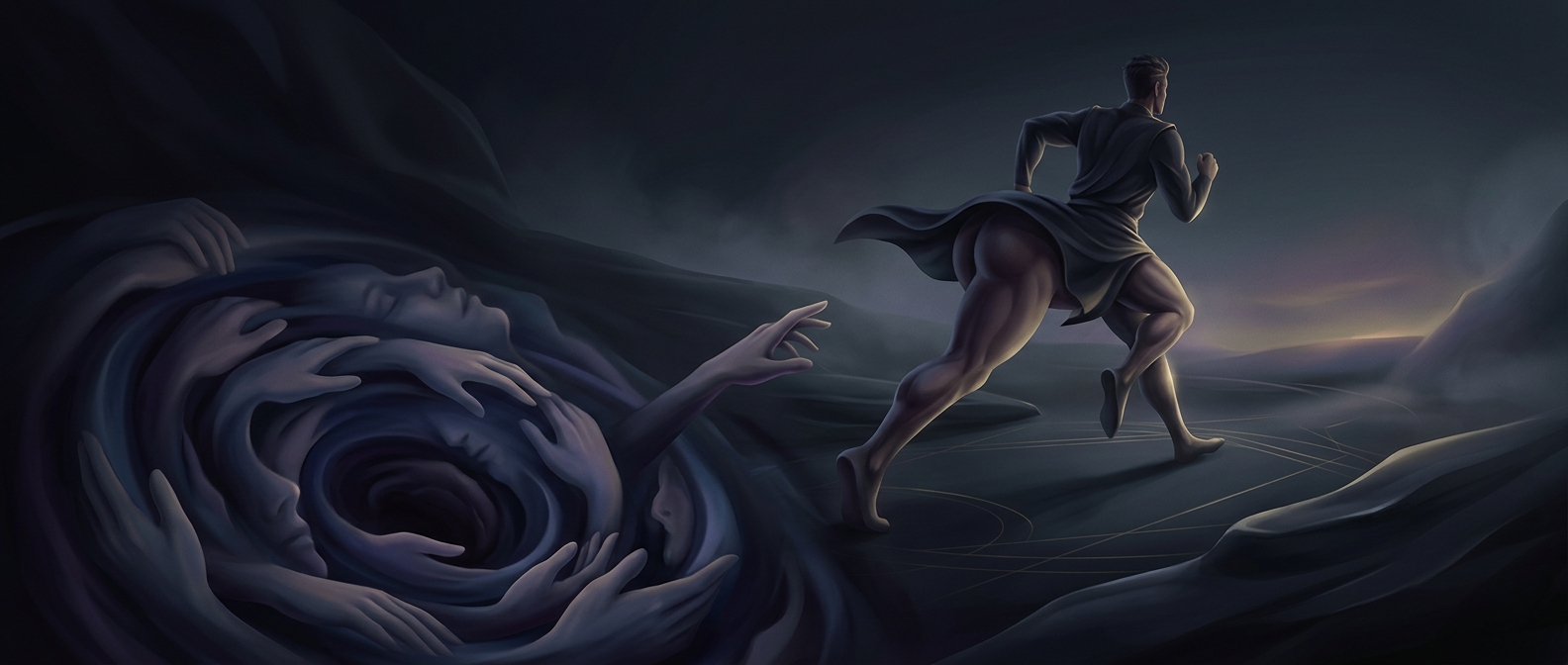
The arrow that could not kill Chiron
Chiron was no ordinary centaur. In Greek myth, he was a wise teacher and healer, and unlike most centaurs, he was known for his restraint. That made the accident especially bitter: an arrow belonging to Heracles (Hercules) struck him while the hero was fighting other centaurs.
The arrow had been dipped in the Hydra’s venom. Its poison inflicted a wound Chiron could not heal. But Chiron was immortal, so the injury trapped him in pain without the release of death. Immortality, usually imagined as a gift, became the source of his suffering.
From suffering to the stars
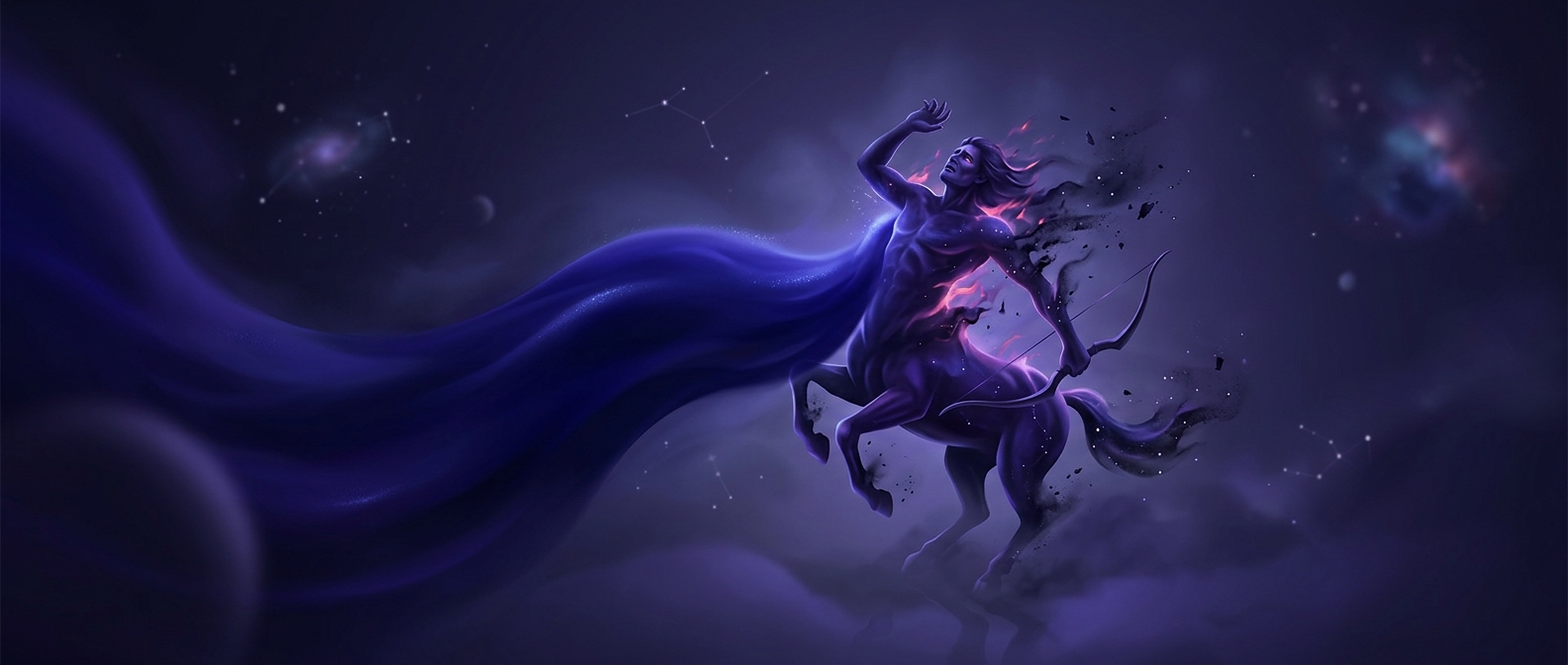
In one common version of the myth, Chiron eventually gave up his immortality so that Prometheus could be freed from his own punishment. Zeus then honored Chiron by placing him among the stars. Traditions connect the centaur with Sagittarius, though ancient accounts do not all make the same identification.
The story turns a familiar heroic weapon into an unintended source of harm: Heracles’ arrow succeeds in battle, but its poison wounds someone he did not mean to hurt. Chiron’s place in the sky preserves both sides of the tale—the centaur’s exceptional wisdom and the cost of an injury from which even an immortal could not recover.