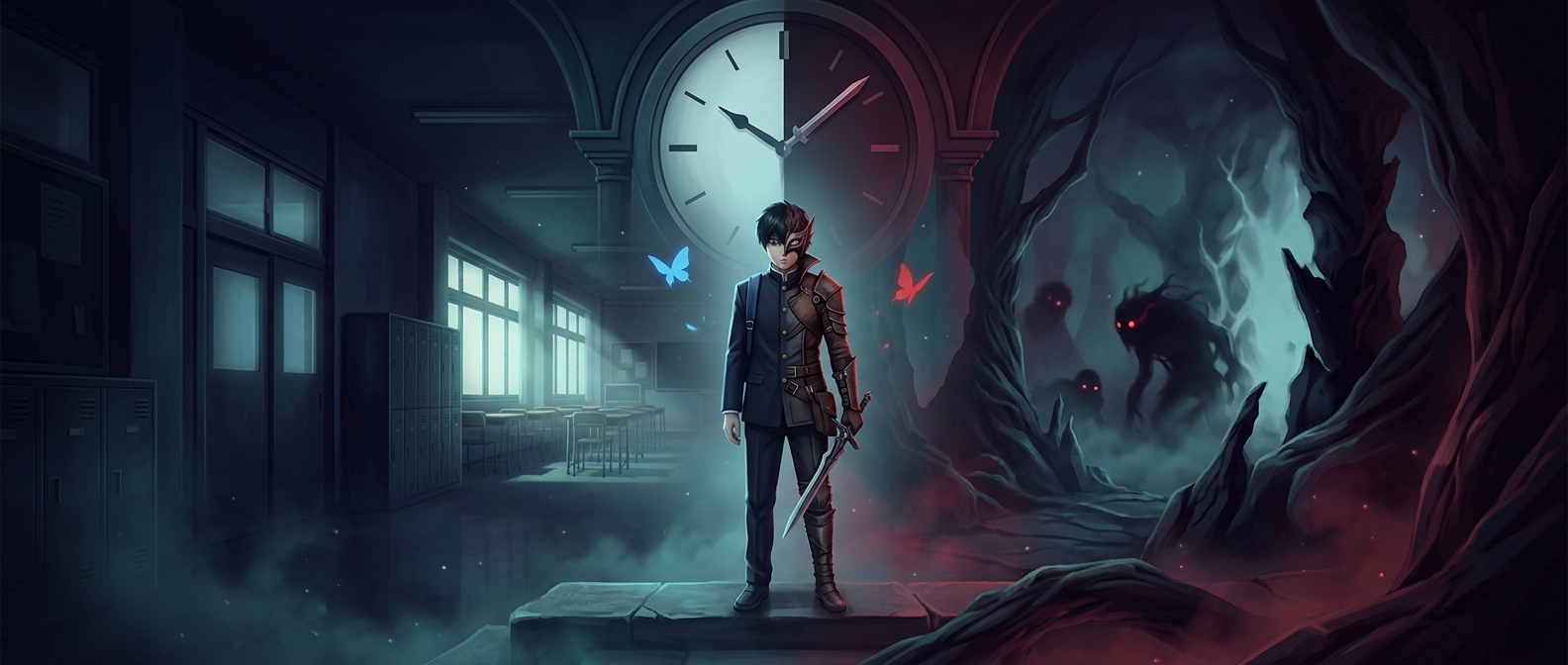
A calendar turns every choice into a tradeoff
In many Persona games, the day is divided into limited opportunities to act. After school, a player might spend time with a friend, study for an exam, build a skill, or prepare for a trip into a dangerous supernatural realm. Those options are not simply side activities: choosing one often means giving up another.
That structure makes the calendar part of the challenge. A dungeon may have a deadline, while relationships and personal abilities develop gradually. The player has to decide not only what would help most, but what can wait—and whether waiting will close off an opportunity.
Ordinary life can strengthen the fight
The game links its two kinds of play. Spending time with allies can deepen relationships and, in some entries, unlock advantages that help in combat. Studying and other everyday activities can improve the protagonist’s abilities or make later interactions possible. A quiet afternoon therefore may pay off in a fight much later, even if it does not immediately move the supernatural plot forward.
The reverse is true, too. Focusing heavily on dungeon exploration can leave less room for schoolwork or friendships. There is no single schedule that fits every goal, so players build a version of the protagonist through the opportunities they prioritize.
The pressure comes from what cannot fit
This design gives routine decisions weight without making every choice a life-or-death emergency. The tension comes from scarcity: a day spent one way cannot also be spent another. Players learn to plan around deadlines, but they also have to accept that a run may leave some relationships or personal goals unfinished.
That makes the school year more than a backdrop to monster hunting. It is the clock that forces players to choose what kind of hero they have time to become.