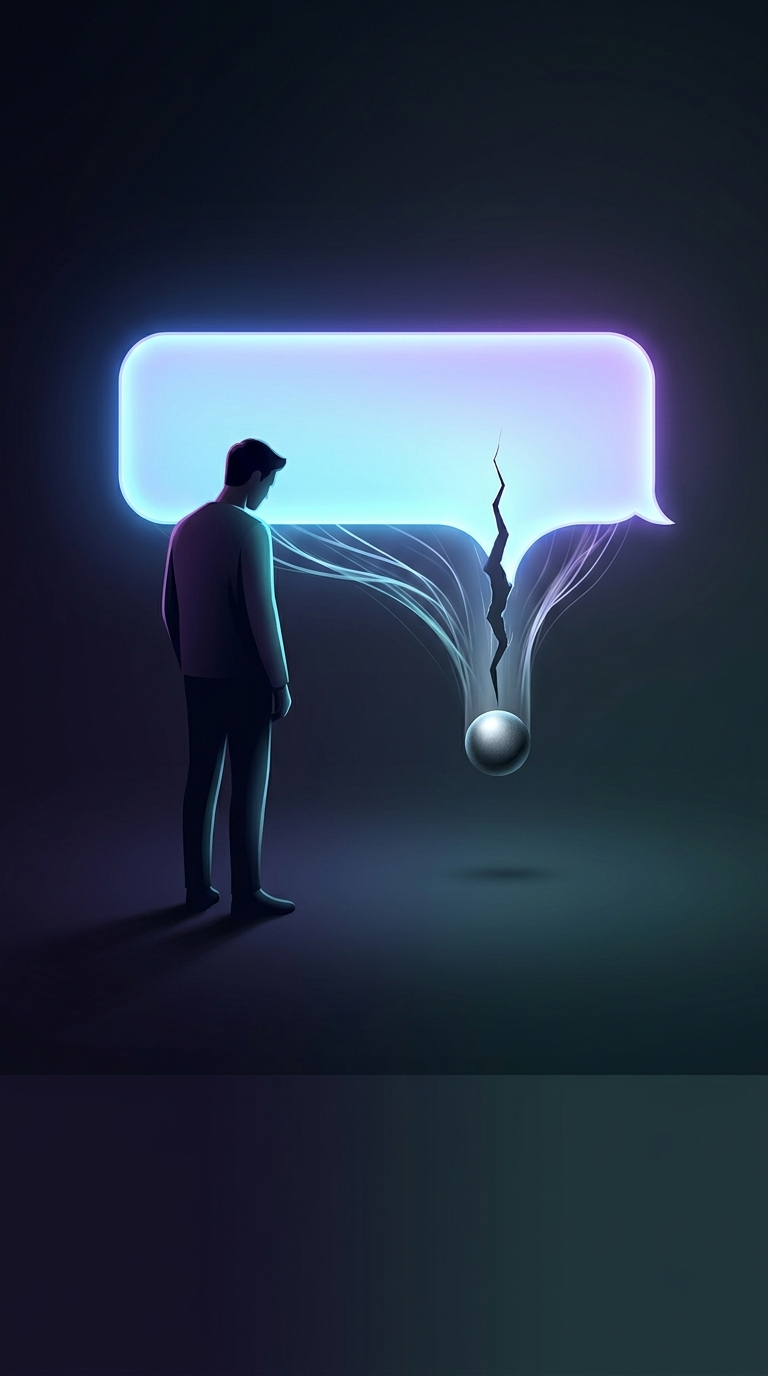
Why an Unread Email Can Feel Hard to Delete
A promotional message may be useless today yet still seem as if it could matter later: perhaps it contains a discount, a receipt, or a detail you might need. Keeping it preserves that possibility at almost no immediate effort. Deleting it, by contrast, makes the decision feel final. That imbalance can make “I’ll sort it out later” an easy choice, even when later never comes.
Psychologists call the tendency to accumulate digital files and messages digital hoarding. The term describes a behavior, not a standalone diagnosis. It can range from a crowded inbox to persistent difficulty deleting files that causes distress or interferes with daily life.
How “Just in Case” Turns Into a Full Inbox
Each message asks for a small judgment: Is this important? Could I need it? What if I regret deleting it? Those questions take time, so postponing the choice offers immediate relief. The email stays, and the person avoids both the uncertainty of deciding and the imagined loss of getting it wrong. Repeated across thousands of messages, that short-term relief helps the backlog grow.
Digital clutter is easy to overlook because it does not fill a room. But an overflowing archive can still make information harder to find and keep the unresolved decisions out of sight. Storage limits may eventually add a visible cost, turning a hidden habit into a monthly bill. Paying for more space can be simpler in the moment than sorting through a backlog, though it leaves the underlying “maybe I’ll need this” rule intact.
The revealing detail is that the value of an old email may lie less in its contents than in the possibility attached to it. A person is not necessarily saving the message because it matters; they may be saving themselves from having to make a decision that feels irreversible.