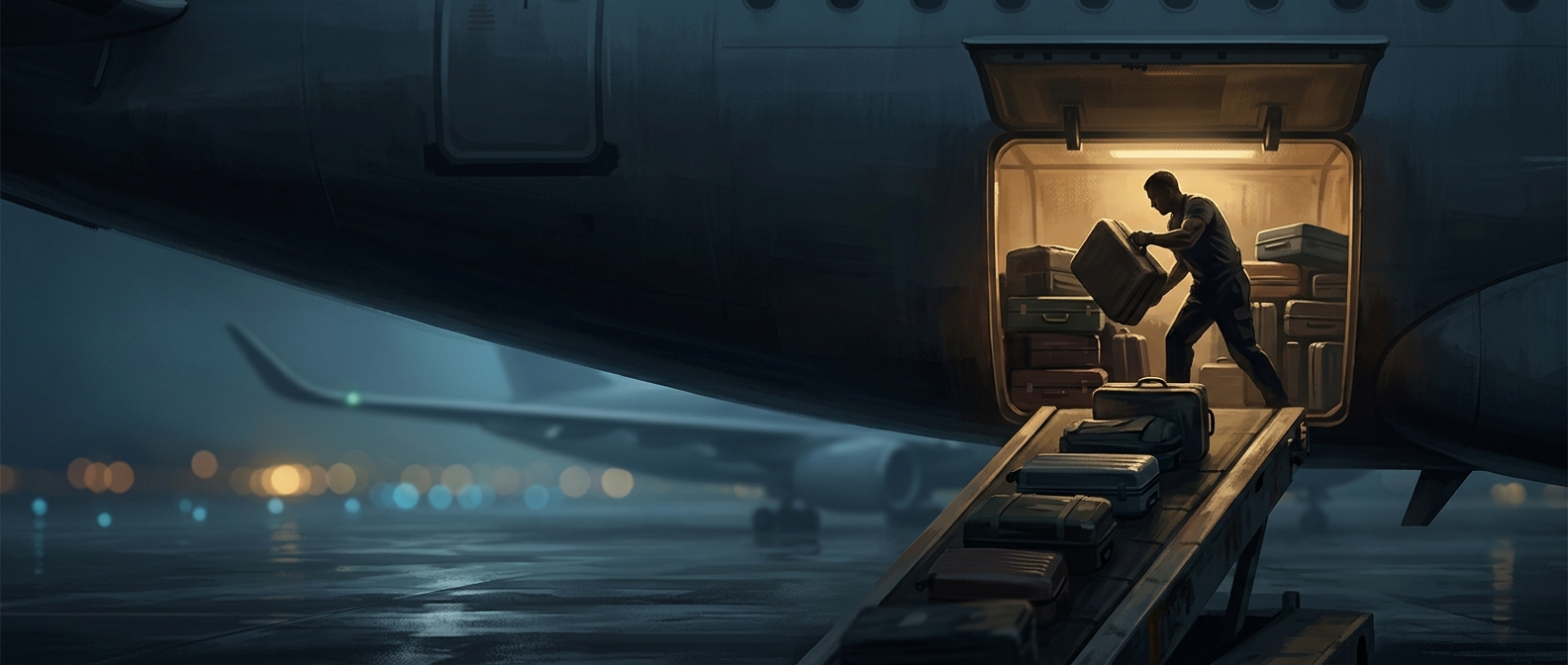
Why the hold has to be packed piece by piece
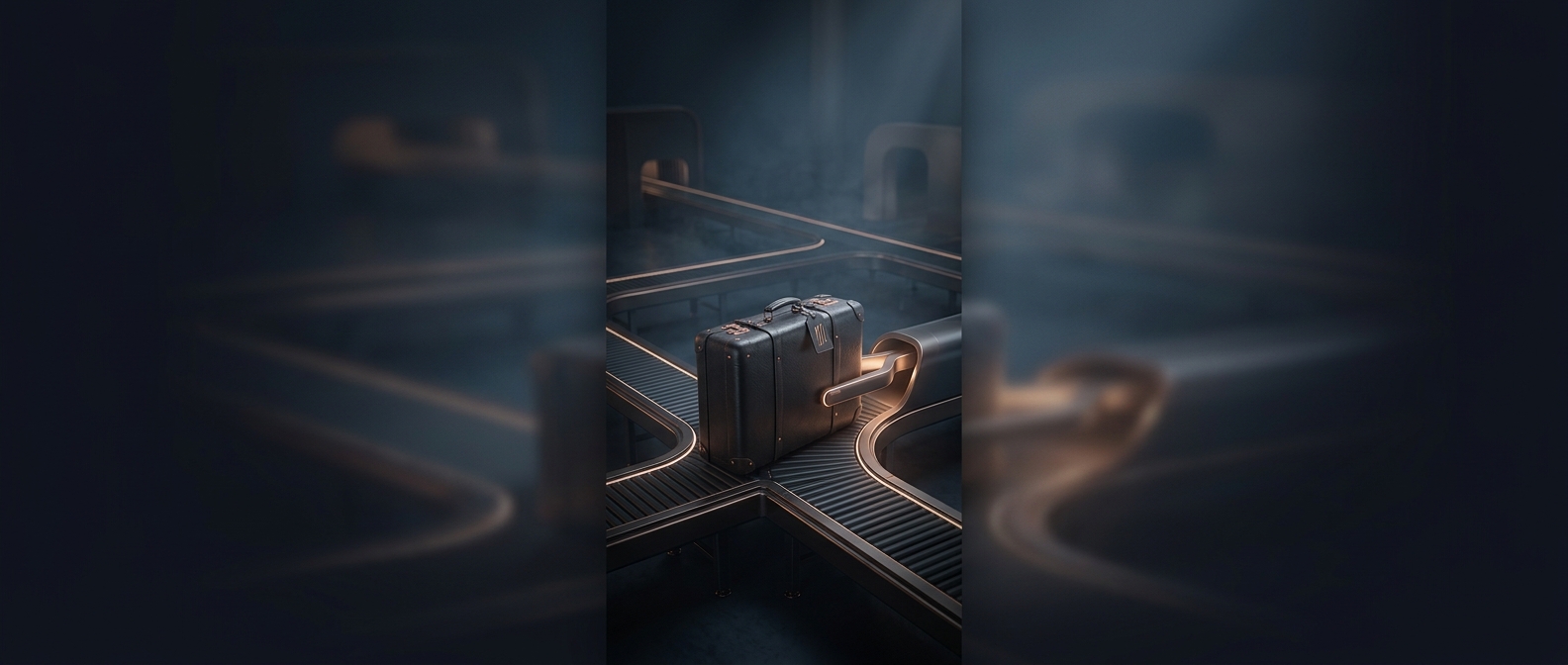
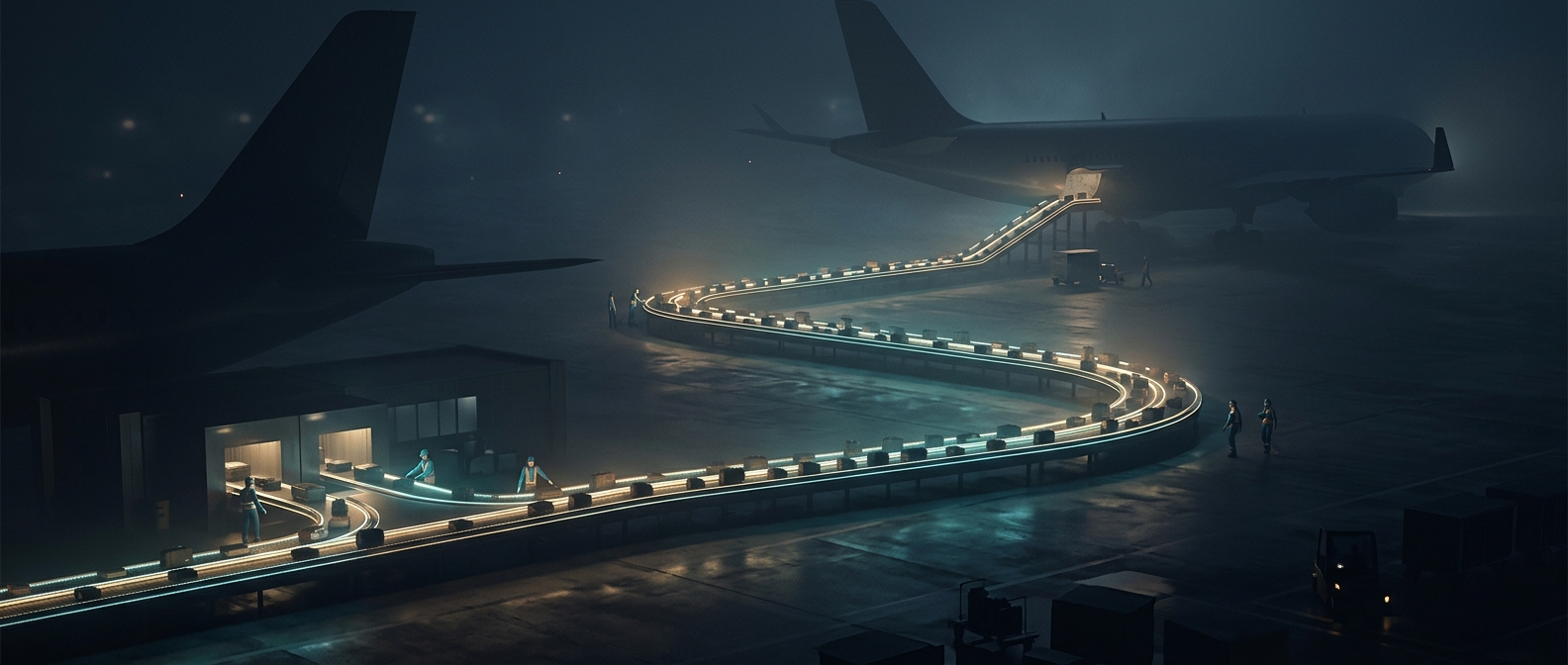
In many passenger aircraft, checked bags go into a bulk hold: an enclosed space where individual items are loaded directly rather than placed in a rigid freight container. The hold narrows toward the sides and ceiling to follow the aircraft’s body, so a suitcase that fits in one spot may leave an awkward gap in another. Soft duffels, wheels, handles, and bags of different sizes make the gaps harder to predict.
Workers build the load as they go, fitting bags together and using the available space without blocking access or forcing items into unsafe positions. It is closer to packing a moving, curved room than filling a rectangular box.
The arrangement affects the flight, not just the space
A loading plan also has to distribute weight through the airplane. Concentrating too much weight in one area can affect the aircraft’s balance, so the load is divided among designated sections and checked against the flight’s weight-and-balance requirements. Bags must also be restrained so they do not shift during takeoff, turbulence, or landing.
That means the fastest arrangement is not necessarily acceptable. A worker may need to reposition a bag to improve the fit, keep the load secure, or preserve the planned distribution of weight.
The order matters at the other end
Bags for different destinations or connecting flights may need to come off the aircraft in a particular order. Loading them in layers can make that harder: a bag buried under others cannot be retrieved without moving the surrounding stack. The crew therefore has to balance efficient packing with the practical needs of unloading.
The result is a quiet piece of aircraft engineering performed by hand: every bag is both cargo and part of a carefully arranged load.