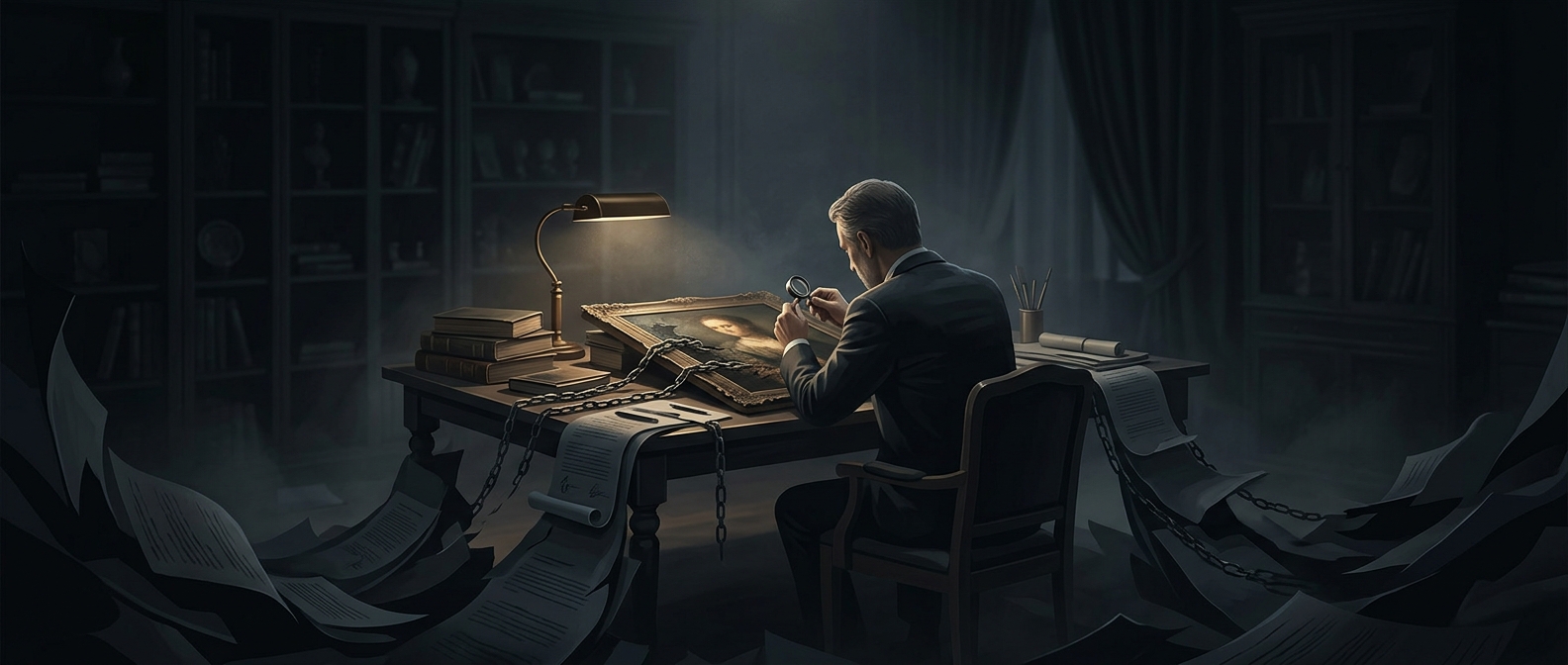
An authenticity verdict can change a painting’s price overnight
A painting’s market value depends partly on who buyers believe made it. If respected specialists conclude that a work is not by the artist whose name it bears, the owner may find it much harder to sell at the expected price. The judgment can therefore have a direct financial consequence—even when the experts are offering an opinion rather than physically altering the artwork.
That creates a legal risk for the people asked to judge. An owner who believes an authentication decision caused a loss may sue the experts or the organization that issued it, arguing that the assessment was handled improperly or unfairly. Defending a case can be costly and time-consuming, and the prospect of litigation may matter even when no wrongdoing is ultimately established.
The risk can silence the very expertise the market needs
Authentication boards and committees bring specialists together to evaluate a work’s authorship. Their conclusions can help buyers, sellers, and institutions make decisions, but a negative conclusion may put the committee in the path of a disappointed owner. If the people serving on a board face personal or organizational legal exposure, they may decide that the work is not worth the risk.
Some prominent boards have dissolved in this climate. That leaves fewer formal bodies willing to issue authoritative judgments, making it harder for the market to resolve disputed attributions. The result is a striking bind: the more financially consequential an expert’s answer is, the more dangerous it can be to give one. A painting may remain uncertain not because no one has studied it, but because qualified experts are reluctant to put a verdict on the record.