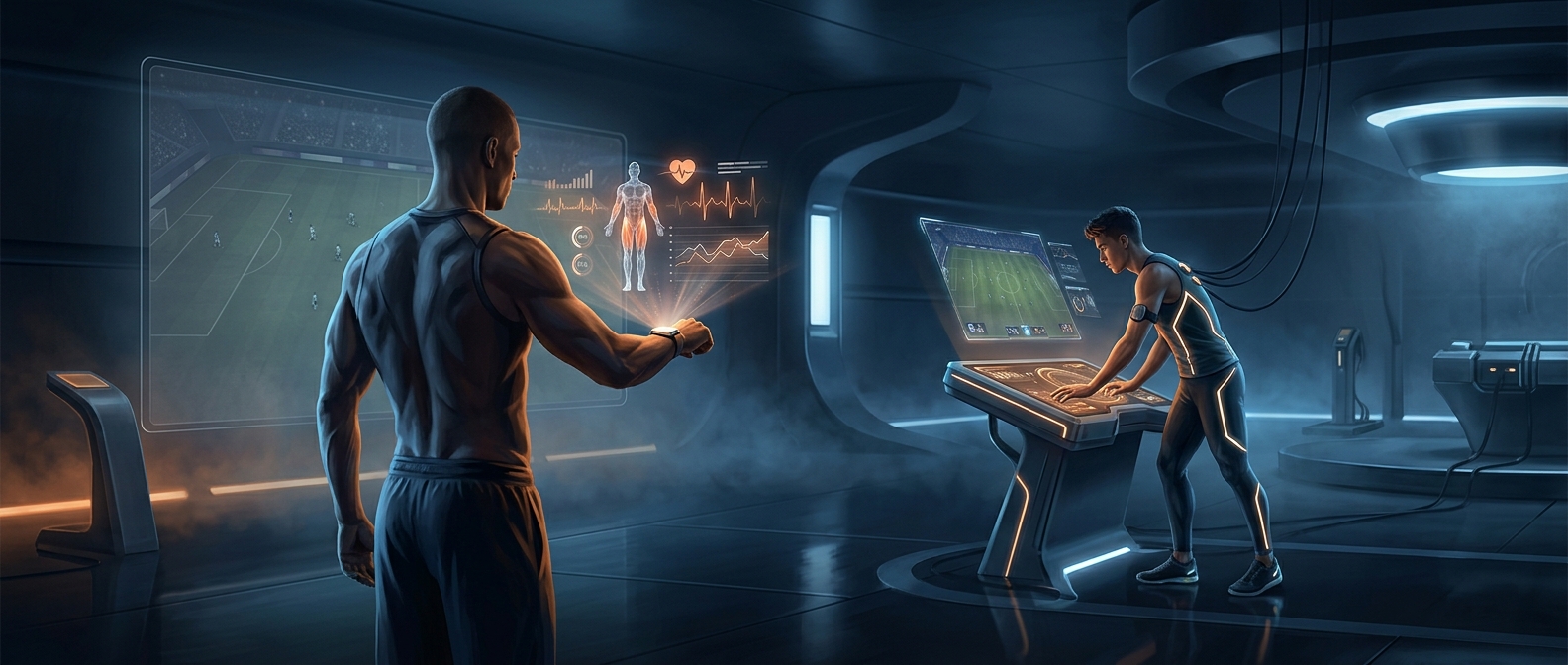
The physical demands behind precise play
At a computer, the visible action may be limited to a mouse flick or a few keystrokes. But competitive play asks for repeated, precise movements while a player holds attention through long sessions. Sitting still does not eliminate physical strain: a fixed posture can tire the back, neck, and shoulders, while repeated hand and wrist movements put steady demands on small muscles and joints.
Fatigue can also show up as slower or less consistent decisions. A personal trainer cannot make someone aim better by adding muscle, but can help address the physical conditions that make sustained practice harder.
Training around the desk
A trainer can build a program around the player's actual routine: general strength and conditioning, mobility work, and exercises that counter the demands of sitting and repetitive input. Just as important, training can reinforce habits such as changing position and taking movement breaks rather than treating every hour at the desk as interchangeable.
The goal is not to turn esports into conventional field sport. It is to give players more physical capacity and a better chance of recovering between demanding sessions. Plans need to fit around practice and competition; otherwise, workouts may simply add another source of fatigue.
Performance includes staying available
Physical preparation is also about keeping discomfort from becoming a barrier to practice. When a player can sit, move, and use their hands comfortably, they are better positioned to focus on the decisions the game requires. In that sense, a trainer supports performance indirectly: by helping the body tolerate the routine that competitive play depends on.