How a Playlist Becomes the Game’s Timer
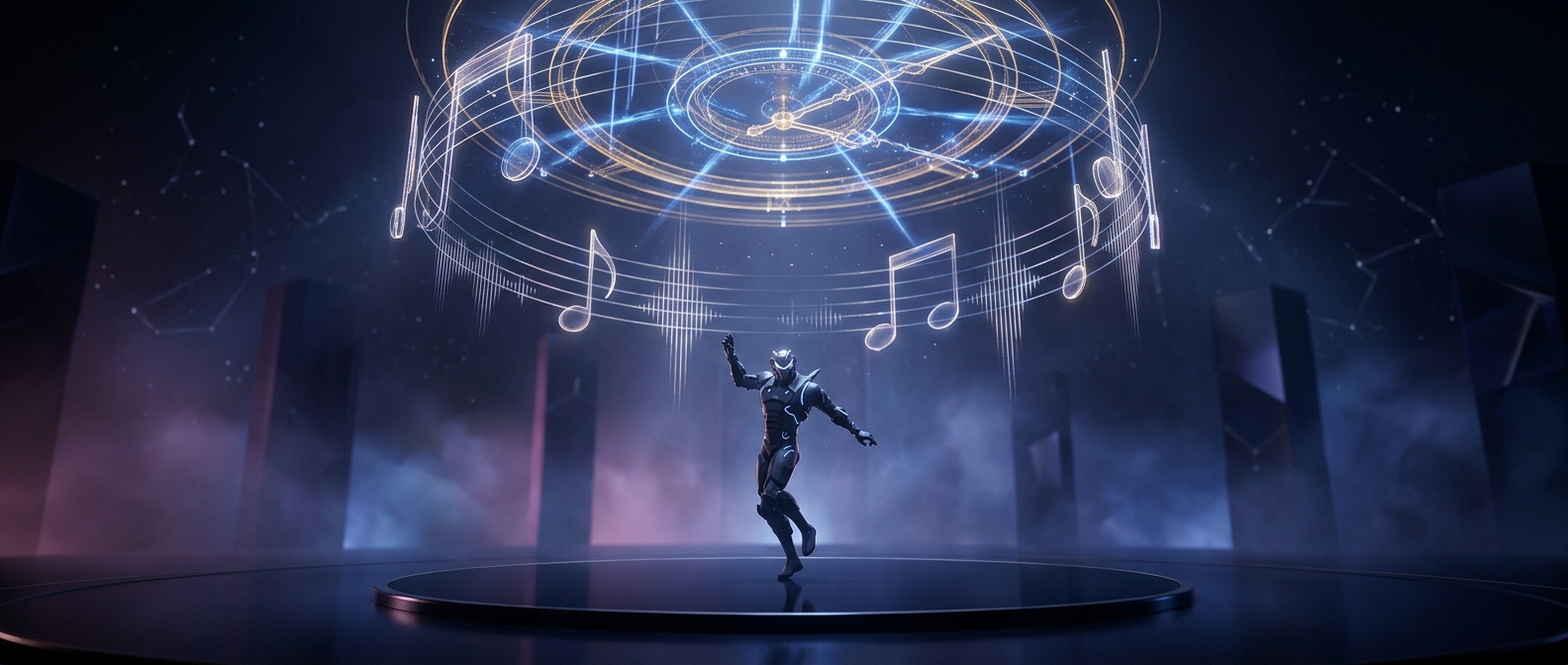
A “power hour” turns music into a repeating cue: when one track gives way to the next, players take a sip. In some versions, the cue comes every minute. The playlist is therefore more than background entertainment; it sets the interval and keeps the group moving without anyone having to call out the next turn.
That simple rule changes the feel of drinking. Instead of choosing when to take a sip, each player responds to an outside signal. Everyone shares the same rhythm, and the next transition is always approaching. A familiar playlist can make that rhythm seem playful, but the musical structure also makes the drinking predictable and continuous.
Why the Pace Can Catch Up With Players
The cue is easy to follow, while the cumulative effect is less obvious. A sip may feel small in the moment, but repeated prompts leave little room to pause and judge how much has already been consumed. The playlist keeps time; it does not adjust for a player’s size, drink strength, or response to alcohol.
That mismatch is the game’s defining tension: the music provides a steady schedule, but people do not absorb alcohol on a schedule. If a round is built around frequent transitions, the rule can keep prompting players even when someone would otherwise choose to slow down or stop. A timer can organize a game, but it cannot tell when the pace has become too much.