Why Duty-Free Paths Wind Through the Shops
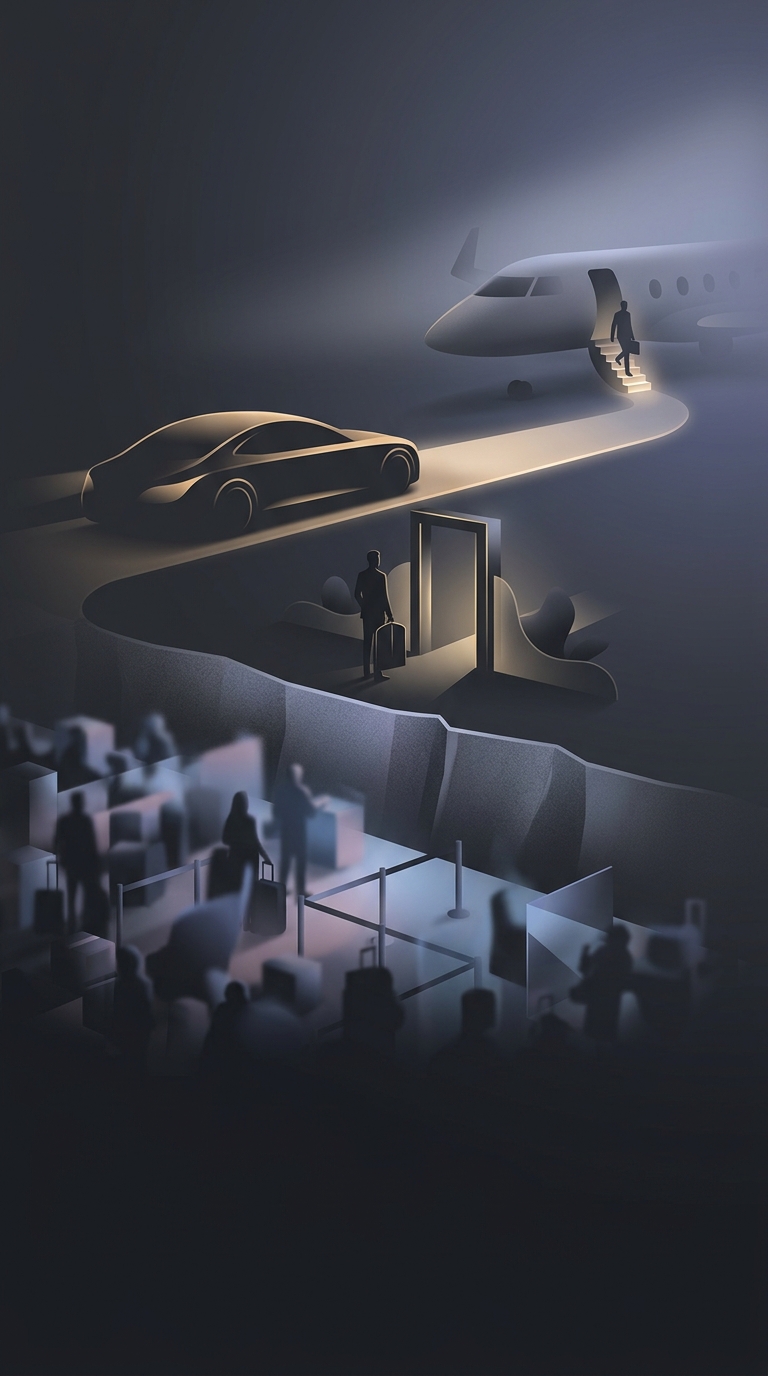
A winding route turns a passing crowd into a slower-moving stream. Instead of letting travelers cut straight across a shop—or bypass it entirely—the layout guides them past shelves and displays before they reach the exit. Retailers call this kind of arrangement a forced path: a route that nudges visitors through more of the store than a direct aisle would.
The effect is practical as well as commercial. A longer route can give travelers more chances to notice products while they wait between flights. And by keeping people moving along a defined course, a shop can reduce the sudden cross-traffic that would form if everyone chose a shortcut.
The Airport Is Part of the Design
Duty-free shops sit inside a larger system of gates, security controls, and passenger corridors. Their paths have to fit the space and the airport’s circulation needs, not just the retailer’s wish to display merchandise. Layouts therefore vary: some shops have a clear through-route, while others offer shortcuts or let passengers avoid the retail area altogether.
That creates a tradeoff. A route that exposes more products can also feel inconvenient to someone hurrying to a gate, traveling with children, or managing luggage. The turns are not simply decoration: they shape how people move through a crowded commercial space. Their most visible consequence is also the point—what looks like an indirect walk can make a quick trip past the shop into a longer encounter with its shelves.