What a raised-arm vow asks of the body
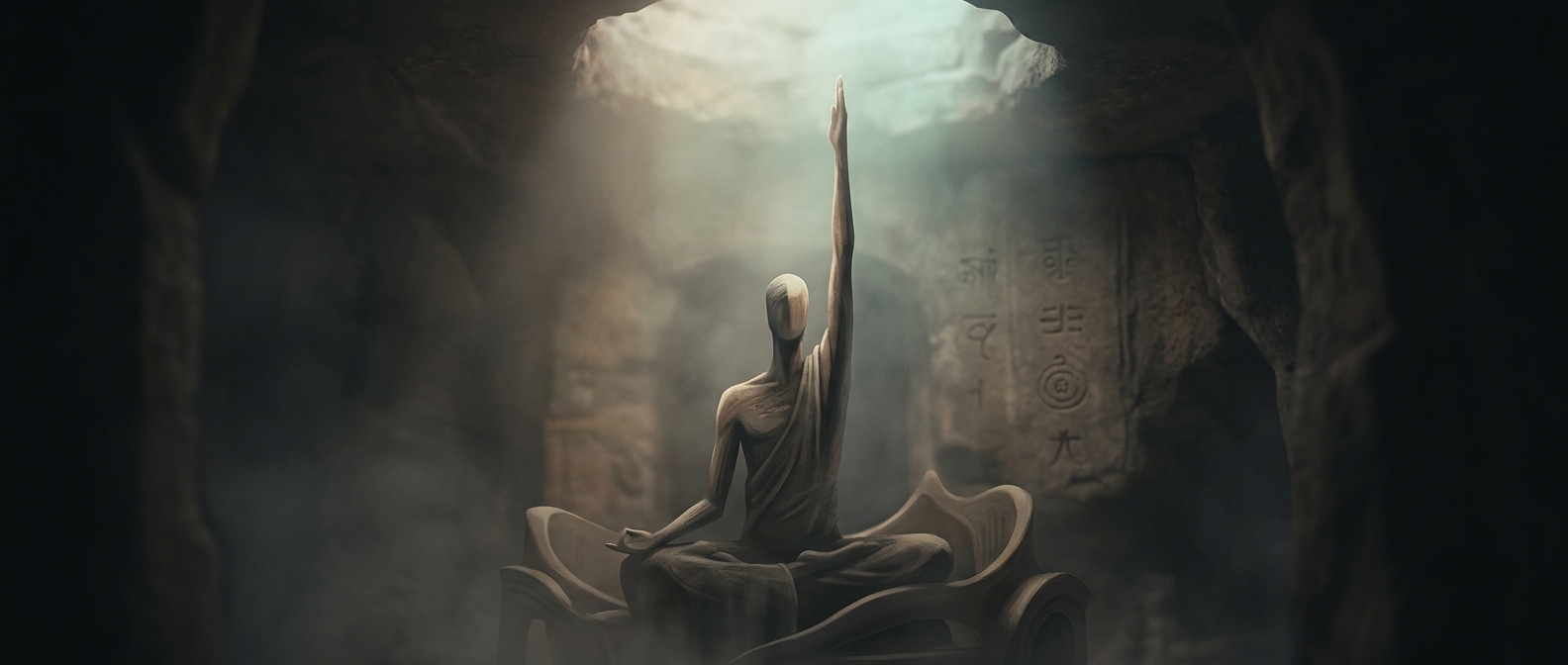
An Urdhva Bahu is an ascetic who keeps one arm raised as an act of tapas—a demanding religious discipline meant to express devotion and renunciation. The vow turns an ordinary gesture into a sustained practice: the arm is not simply lifted for a moment but held in that position over long periods.
How stillness can become lasting
A limb kept immobile for an extended time can lose muscle strength and flexibility. The shoulder, elbow, and surrounding tissues may stiffen; in severe cases, a contracture—a lasting tightening that restricts movement—can make the arm difficult or impossible to lower. The body adapts to the posture, while the lack of movement makes returning to an ordinary range of motion harder.
That physical consequence gives the vow its visible force. A choice made as a practice of discipline can leave a lasting mark, so the raised arm becomes not just a symbol of resolve but a posture the body itself may no longer be able to release.