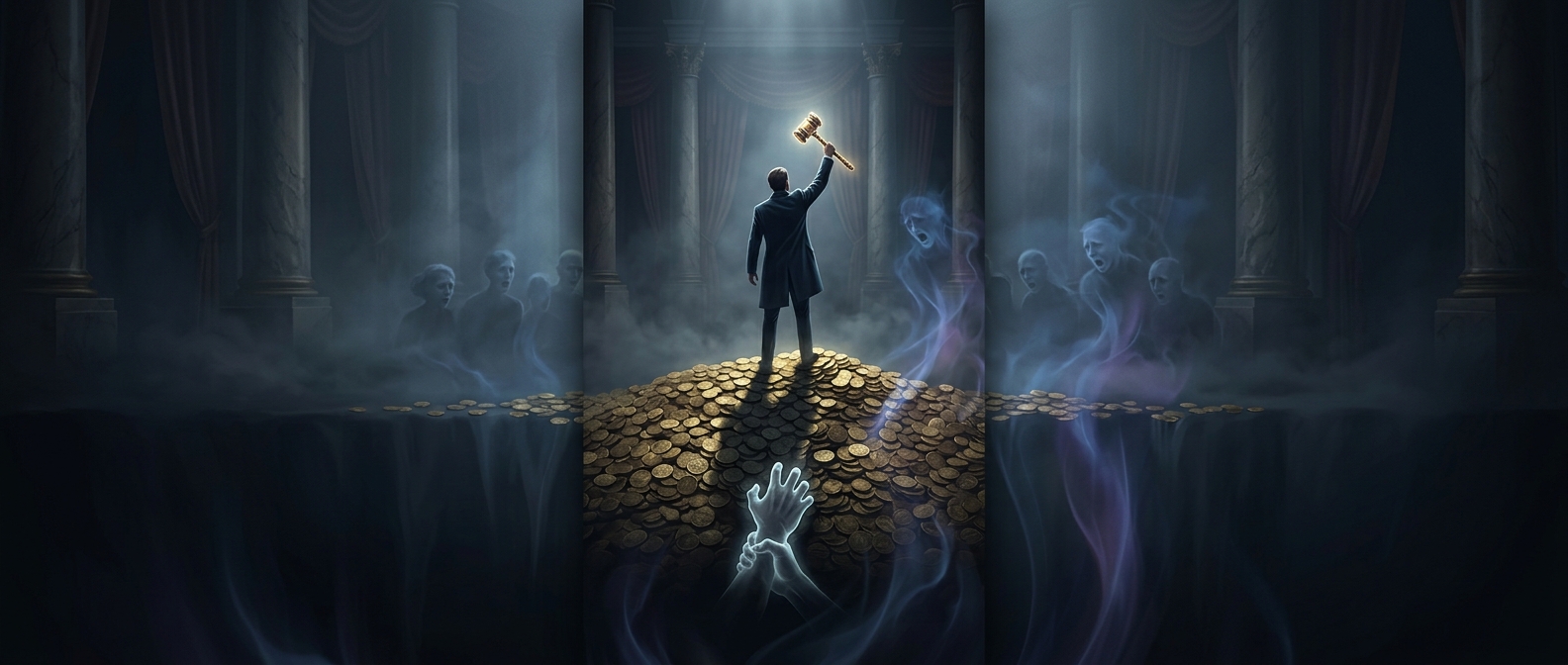
How an Auction Turns an Object Into a Contest
At first, a bidder may be weighing the vase itself: its condition, appearance, and resale potential. But as bids climb, the decision can change. The next bid is no longer just a price for an antique; it is a move in a public contest, made while rivals are visibly refusing to back down.
That setting can intensify competitive arousal, sometimes called auction fever. Each new bid keeps the possibility of winning alive and makes the contest feel more immediate. A bidder may also interpret a rival’s persistence as evidence that the object is more valuable than it first seemed—even though the rival may be reacting to the same competition rather than possessing better information.
Why the Price Can Outgrow the Object’s Use
Winning has its own appeal: it can feel like proving one’s judgment, beating a competitor, or avoiding the sting of losing after investing attention and time. Those motives can shift the reference point. Instead of asking, “What is this vase worth to me?”, a bidder starts asking, “How much more can I offer and still win?”
The danger is that the second question has no natural stopping point. Every higher bid makes the amount already offered feel like a commitment to continue, even though that money is gone whether or not the bidder raises again. Economists call this kind of backward-looking reasoning the sunk-cost effect: past effort or spending influences a choice that should depend on what happens next.
A pre-set maximum bid helps keep the object’s value separate from the thrill of the contest. Without one, a bidder can leave with the vase—and a price justified less by what the antique can do than by the desire not to let someone else take it.