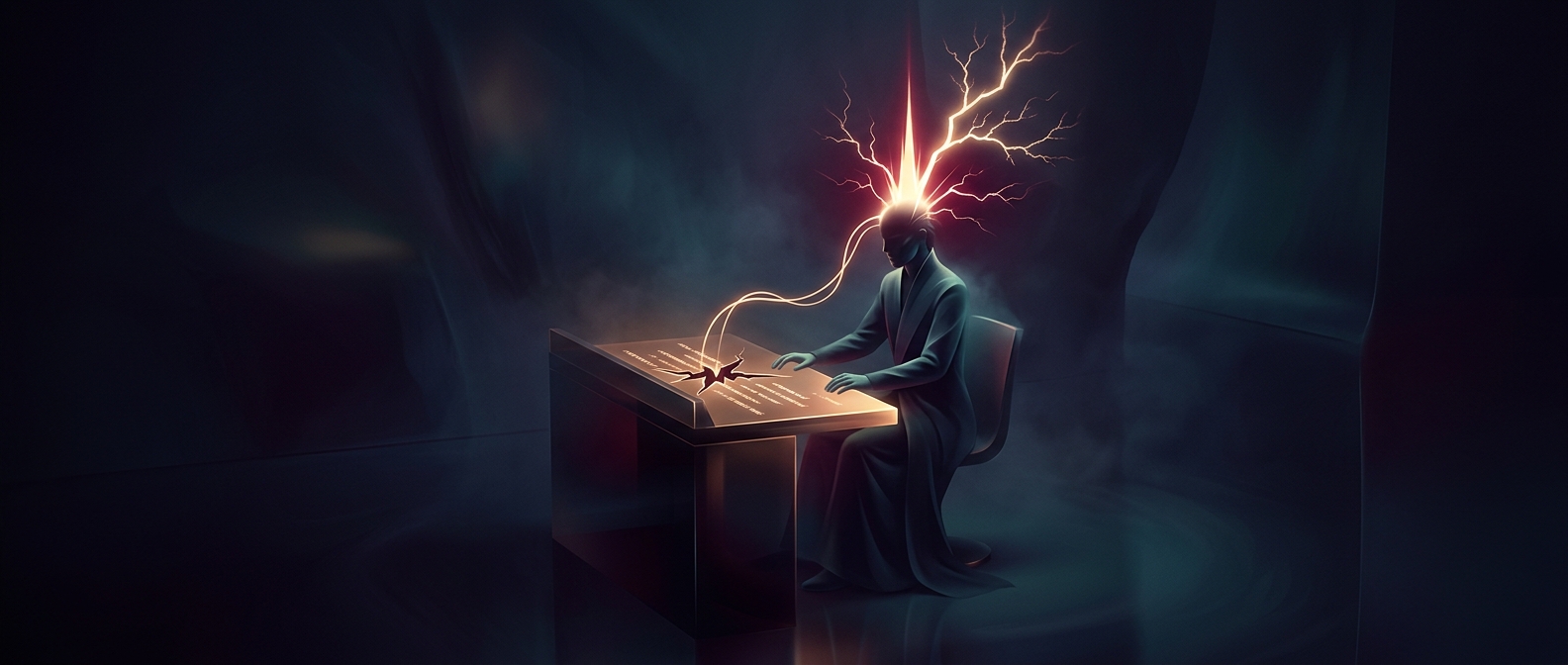
Why a sentence can feel wrong before you know why
As you read, your brain does more than identify each word. It uses the words already on the page to predict what kind of word or phrase is likely to come next. Those predictions help you build a sentence’s meaning without waiting until the final word.
Grammar supplies part of that expectation. After “the puppy chased,” for example, a reader is prepared for a noun phrase naming what was chased. If the next words do not fit the structure, the sentence can become harder to process—even before the reader can explain what is wrong.
The stumble comes before the diagnosis
A grammatical mismatch disrupts the unfolding interpretation. The brain may need to slow down, revise an earlier guess, or try a different way of grouping the words. That extra work can register as a brief hesitation or a sense that the sentence is awkward.
Conscious proofreading is a separate step: it involves inspecting the wording and identifying the rule or word that caused trouble. The initial reaction can therefore arrive first, as a small reading slowdown or feeling of unease, while the explanation takes longer to form.
This is not a perfect grammar alarm. Unusual wording can be grammatical, and a familiar context can make an awkward construction easier to follow. But the next time a sentence makes you pause without an obvious reason, your mind may already have detected a structural mismatch; you are still working out what it noticed.